Cancún Airport: Your Gateway to Riviera Maya Adventures
"The moment you step off the plane and feel that humid, salt-tinged breeze, you realize the vacation has truly begun."
Navigating the transition from a long-haul flight to a tropical paradise requires more than just a passport; it requires understanding the massive logistical engine that makes your arrival possible.
Key Takeaways * The airport serves as the primary logistical hub for accessing the diverse attractions of the Riviera Maya. * Understanding the carriers and operational specifics is key to optimizing your travel itinerary.
* The airport infrastructure supports high-volume international tourism flows through massive scale and dual runways.

How do I navigate Cancún International Airport? The sliding glass doors of the arrivals hall hiss open, and you are immediately hit by a wave of heat and the organized chaos of travelers from every corner of the globe. You stand there, clutching a printed transfer voucher, looking at the sea of people waiting for their luggage.
According to the Aviation Bureau, the total economic impact made by the state's airports in 2004 was $22 billion.
This is the threshold between the routine of home and the ancient magic of the Mayan world. This airport is the indispensable gateway to the Yucatan Peninsula, acting as the starting line for journeys to Chichén Itzá, the crystal-clear cenotes, and the white sands of Isla Mujeres.
Because it handles such a staggering volume of travelers, the sheer scale of the facility can be overwhelming for first-timers. In 2025, the sheer density of passengers during peak season can make the terminal feel like a labyrinth of moving parts.
Transitioning from the terminal to your resort is the first major decision of your trip. You will face a choice between pre-booked private transfers, renting a car for a self-drive adventure through Tulum, or hopping on a shuttle.
Managing this transition smoothly is the difference between starting your vacation with a cocktail or starting it in a traffic jam. But how do you know which airline will actually get you there reliably?
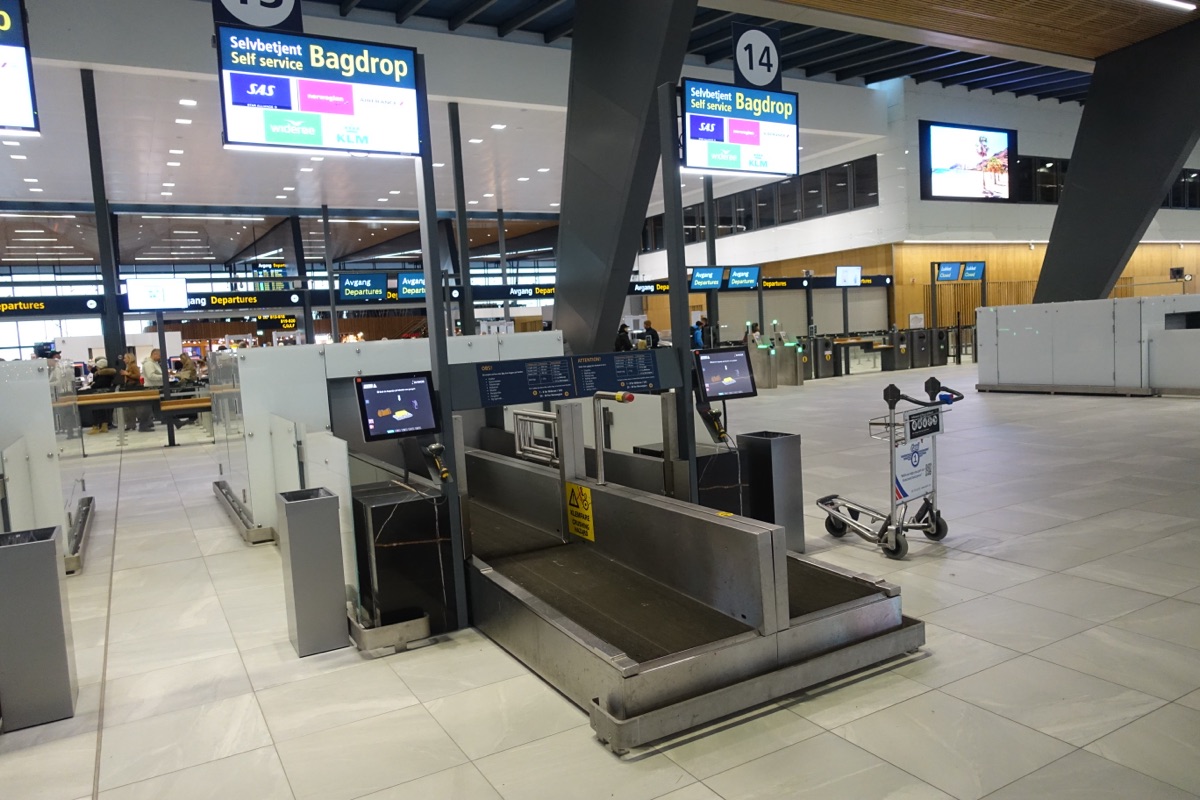
Which airlines fly to Cancún? A traveler sits in a terminal lounge, staring at a departure board that flickers constantly between names like Delta, American, United, and various European giants. The hum of the terminal is a mix of English, Spanish, and French, reflecting the global reach of this hub.
According to the Pennsylvania Air Service, the total economic impact made by the state's airports in 2004 was $22 billion.
The carrier landscape at CUN is diverse, catering to both the high-frequency North American market and long-haul European travelers. Major US-based airlines provide frequent, direct connections from hubs like Miami, Houston, and New York, making weekend getaways a reality.
In 2026, these connections remain the backbone of the region's travel economy.
Meanwhile, European carriers often bring in large wide-body aircraft, feeding the massive demand for all-inclusive stays. When choosing an airline, consider the operational profiles.
High-frequency domestic and North American flights often involve tighter turnaround times and more crowded gates, whereas international long-haul flights may involve more significant baggage handling processes.
Always verify your specific airline's baggage allowance before arriving, as weight limits can vary significantly between budget carriers and full-service airlines.
When I flew into CUN last year, I learned the hard way that a 50-pound bag is a very different reality depending on whether you are on a premium carrier or a low-cost regional jet.
Understanding the fleet is one thing, but understanding the ground is another.
✈️ Airport Operations & Infrastructure: What to Know Before You Land
The runway stretches out toward the horizon, a massive ribbon of concrete designed to handle the heaviest giants of the sky. In the distance, the heat shimmer rises off the tarmac, making the massive Boeing 747s look like they are floating on water.
According to the World Bank, Mexico recorded international tourist arrivals of 51,128,000 in 2020.
The physical capacity of the airport is designed to handle extreme throughput.
It can accommodate large aircraft such as the Boeing 747 and Airbus A380, and features two parallel operational runways that can be used simultaneously: Runway 12R/30L is 3,500 metres (11,500 ft) long, while Runway 12L/30R spans 2,800 metres (9,200 ft).
This dual-runway capability is essential for managing the simultaneous arrival of heavy international jets and smaller regional planes. This infrastructure is what allows the region to sustain its massive tourism numbers.
The ability to land large-scale aircraft ensures that the global demand for the Riviera Maya can be met efficiently.
But once you land, the real logistics begin.
✈️ Beyond the Terminal: Planning Your Journey from CUN
You stand at the curb, looking at a line of white vans and sleek private sedans, wondering which one will take you to your slice of paradise. The sun is bright, and the logistics of the next hour feel as important as the flight itself.
Once you clear customs, your next move is determined by your itinerary. If you are staying in the Hotel Zone, a shuttle might be the most cost-effective choice. However, if your goal is to explore the ruins of Tulum or the streets of Playa del Carmen, a rental car offers much-needed autonomy.
Timing is everything. If you arrive in the late afternoon, you should ideally have your transport pre-arranged. Waiting in the taxi line after a long flight can be exhausting and expensive.
Coordinating your arrival time with your tour pickups or hotel check-ins is the best way to maximize your actual vacation time in the sun. However, many travelers fail to prepare for the immediate needs of arrival.
✈️ Essential Travel Prep: Airport Logistics Checklist
A hand reaches into a travel folder to double-check a passport, a printed insurance document, and a small pouch of Mexican pesos. The checklist is a mental shield against the friction of travel.
Before you even head to the airport, ensure your documentation is in order. While many travelers use digital copies, having physical backups of your passport and travel insurance is highly recommended.
Regarding currency, while many places in the tourist zones accept USD, you will find much better value using Mexican Pesos for local meals, tips, and smaller purchases.
| Item | Purpose | Pro-Tip |
|---|---|---|
| Passport/Visa | Legal Entry | Ensure at least 6 months validity remaining. |
| Pre-booked Transfer | Arrival Logistics | Have the driver's contact info saved on your phone. |
| Local Currency (Pesos) | Small Purchases | Essential for tips and local markets. |
| Travel Insurance | Emergency Coverage | Always carry a physical copy of your policy. |
- Verify Flight Details: Check your terminal and gate information as soon as you land.
- Manage Baggage: Keep essential items (medication, chargers, light jacket) in your carry-on.
- Secure Transport: Confirm your pickup point or rental car kiosk location immediately.
- Currency Check: Withdraw a small amount of pesos at the airport ATM for immediate needs.
*Note: This guide focuses on airport logistics. It does not apply to travelers using smaller regional airstrips or private charters in the surrounding states.*








Comments 0