8 Must-Try Dishes: A Deep Dive into Yucatecan Staples
Beyond the All-Inclusive Bubble: Taste the Soul of the Riviera Maya with a Journey into Authentic Yucatecan Cuisine.
If you spend your entire vacation inside a luxury resort in the Hotel Zone, you are missing the very heartbeat of the Yucatan.
While the buffet is convenient, the true soul of this region is found in the smoky aroma of achiote, the sharp sting of habanero, and the salt-crusted seafood of the Caribbean coast.
* Differentiate between tourist-trap fare and authentic regional flavors. * Master the art of ordering must-try dishes like Cochinita Pibil correctly. * Learn to navigate local markets versus upscale fusion dining. * Understand the cultural connection between Mayan ingredients and the landscape.

Where to Eat: Navigating Cancun’s Culinary Map
The sun is setting over the Nichuptan Lagoon, casting a golden hue over a small, bustling plaza in downtown Cancun. A group of locals sits on plastic stools, laughing over plates of steaming tacos, while a few blocks away, a quiet cafe serves artisanal coffee.
Finding the right meal in Cancun requires understanding the three distinct layers of the city's food scene. To eat well, you must decide whether you want the sensory overload of a market, the comfort of a mid-range local haunt, or the refinement of high-end fusion.
Local markets, or *Mercados*, are the sensory heart of the city. If you head to a place like Mercado 28, you aren't just shopping; you are entering a whirlwind of colors and scents. In July 2026, the heat in the plaza is palpable, making the shade of the market stalls a welcome relief.
While you can buy spices and handcrafted goods here, the real goal is to find the specific stalls selling freshly made *panuchos* or *salbutes*. Look for the stalls with the highest turnover—where the line of locals is longest—as this is the best indicator of freshness.
For those seeking a balance of comfort and authenticity, look toward the neighborhoods just outside the main Hotel Zone. In areas like downtown Cancun or nearby Puerto Morelos, you will find mid-range restaurants that specialize in specific regional dishes.
These spots often feature open kitchens where you can see the smoke from the grill or the preparation of slow-cooked meats. When I walked through the streets of Puerto Morelos last week, the smell of roasting meat guided me to a small courtyard that wasn't even on my map.
If you prefer a more curated experience, the high-end dining scene in the Hotel Zone offers a different kind of immersion. These upscale establishments often take traditional ingredients—like octopus, yucca, or various chilies—and apply modern culinary techniques.
It is a way to experience the flavors of the Yucatan in a controlled, elegant setting. But does a white tablecloth mean you are losing the soul of the food?
The Dish Deep Dive: Must-Try Yucatecan Staples
The smell of citrus and smoked meat wafts through a narrow alleyway in a coastal town. A chef carefully lifts a heavy banana leaf from a traditional underground pit, releasing a cloud of fragrant steam that makes your mouth water instantly.
To truly understand the Yucatan, you must look beyond standard Mexican fare. The flavors here are distinct from the spicy, corn-heavy dishes of central Mexico, leaning instead toward citrus, earthy spices, and seafood.
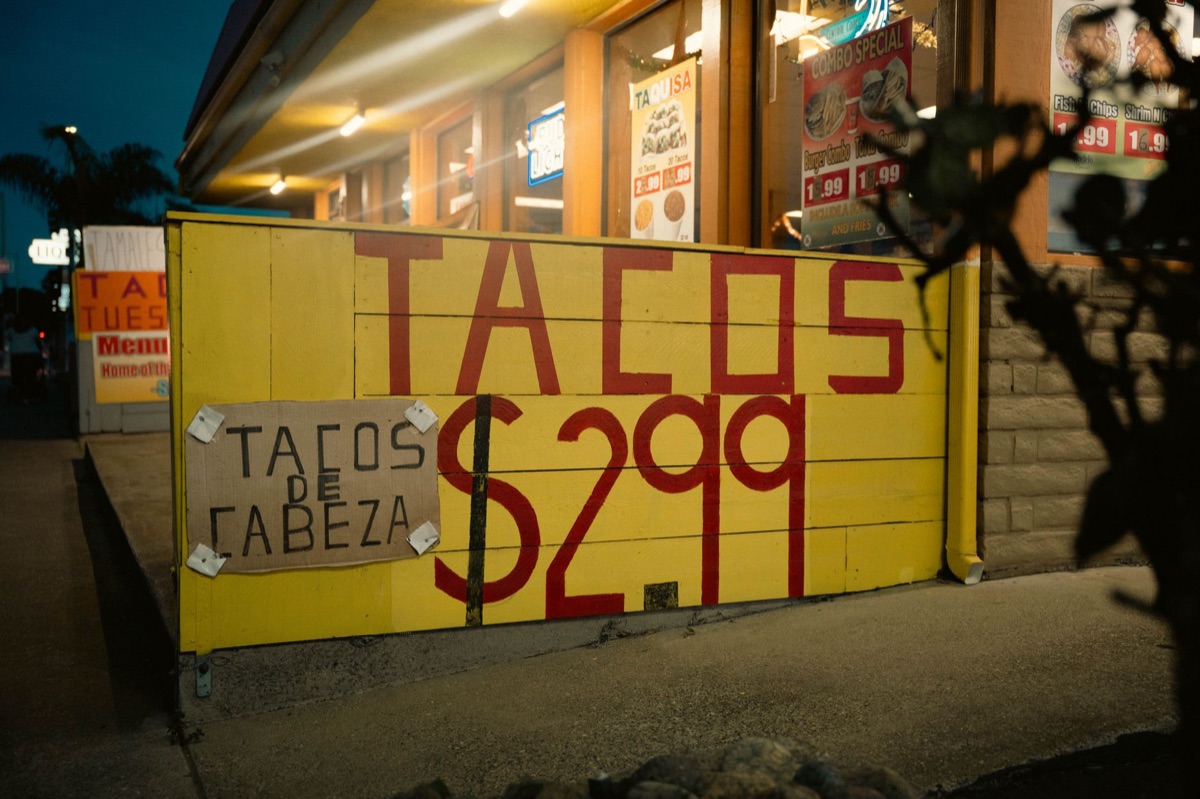
Cochinita Pibil is the undisputed king of Yucatecan cuisine. This isn't just "pork"; it is a labor of love. The meat is marinated in *achiote* (annatto paste) and bitter orange juice, then traditionally slow-roasted in a *pib*—an underground oven.
When ordering, look for it served on a corn tortilla, often accompanied by pickled red onions. The acidity of the onions cuts through the richness of the pork perfectly.
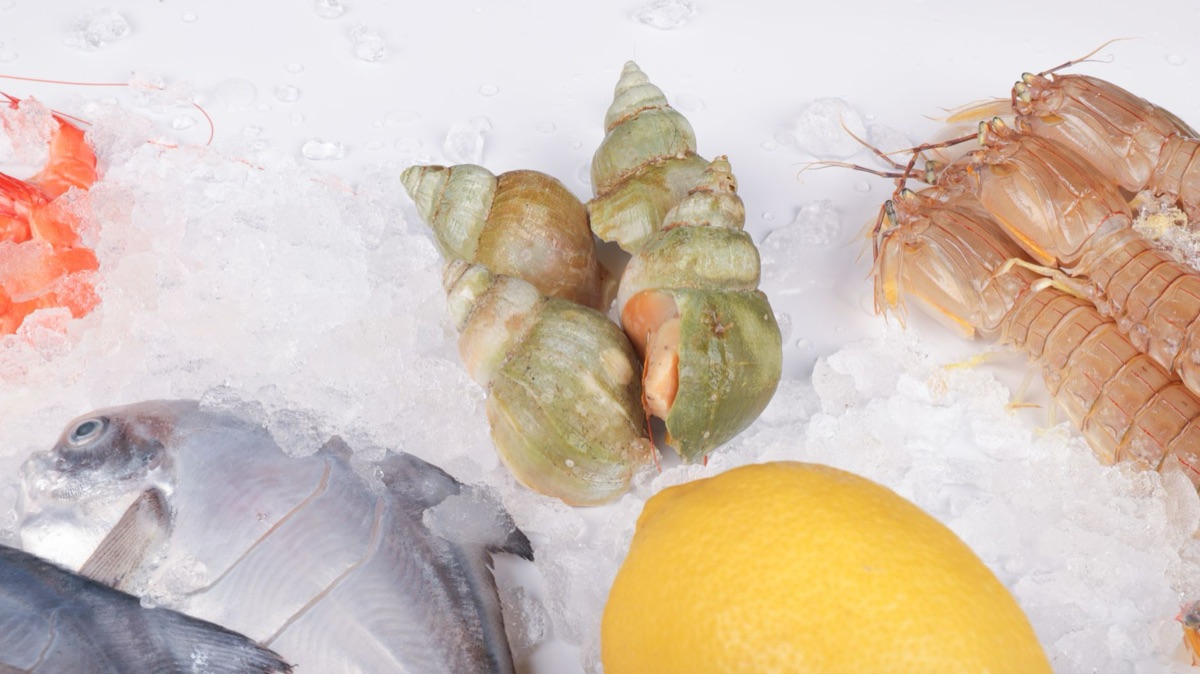
The seafood in this region is a gift from the Caribbean. While tourists often settle for deep-fried fish, the local way involves much more nuance. Look for *Pescado a la Tikin Xic*, a traditional Mayan preparation where fish is marinated in achiote and grilled over wood fires.
It is a smoky, citrusy masterpiece that represents the intersection of Mayan tradition and coastal bounty.
Another essential staple is the ritual of *Tamales* and *Salbutes*. While tamales are found throughout Mexico, the Yucatecan versions often use different corn textures or fillings. *Salbutes* are light, crispy, slightly thickened corn tortillas topped with various ingredients.
They are a perfect example of how local ingredients are transformed into something both simple and profound.
To wash it all down, you must try *Agua Fresca*. These are refreshing, fruit-based waters made with real pulp and sugar. While mango or hibiscus are common, look for seasonal flavors like guava or soursop. It is the perfect companion to a spicy meal.
| Dish Type | Primary Flavor Profile | Best Time to Eat |
|---|---|---|
| Cochinita Pibil | Smoky, citrusy, earthy | Breakfast or Lunch |
| Pescado a la Tikin Xic | Spicy, grilled, bright | Lunch or Dinner |
| Salbutes/Panuchos | Light, crispy, savory | Late Night or Snack |
| Ceviche/Seafood | Acidic, fresh, salty | Lunch |
Beyond the Plate: Pairing Food with the Mayan/Cenote Experience
The cool, damp air of a cenote greets you as you descend a stone staircase. The water is a clear, turquoise blue, reflecting the limestone walls that have stood for millennia.
The food of the Yucatan is deeply tied to the land and its history. The ingredients used—corn, beans, squash, and various chilies—are part of the *milpa*, a traditional Mayan agricultural system that has sustained people for generations.
When you eat these foods, you are participating in a culinary lineage that stretches back thousands of years. In the summer of 2025, I spent a week exploring the cenotes near Valladolid, and I realized that the heavy, earthy meals were the perfect fuel for the humidity.
There is a conceptual link between the purity of the cenotes and the freshness sought in local food. Just as the limestone filters the water to create these natural wonders, the local cuisine relies on pure, quality ingredients to create its signature flavors.
After a day of swimming in a cenote or exploring ancient ruins, you often need a "recovery" meal. For a light, restorative option, look for fresh seafood salads or light *salbutes*.
If you need something more substantial to replenish your energy, a hearty plate of *Cochinita Pibil* or a warm corn-based dish is the way to go.
Even the seasonal traditions, such as the influence of *Día de Muertos*, play a role in the culinary landscape.
While the holiday is celebrated throughout Mexico, the specific offerings in the Yucatan—often involving sugar-based treats and specific ritual foods—add another layer of depth to the local eating culture.
But how do you actually manage your money while exploring these flavors?
Budgeting & Logistics: Eating Like a Local vs. Dining Like a Tourist
You sit at a small wooden table, checking your wallet before deciding between a quick taco or a full sit-down meal. The sun is hot, and you need to know how much to set aside for the day's adventures. In 2026, travel costs in the Riviera Maya have fluctuated, making a clear budget essential.
According to World Bank, Mexico recorded international tourist arrivals of 51,128,000 in 2020.
Understanding the cost of eating in Cancun is vital for planning your budget. There is a significant gap between the prices you will see in the luxury resorts and the local reality.
* Market/Street Food: A delicious taco or a portion of *Cochinita Pibil* at a local stand can cost anywhere from $2 to $5 USD. This is the most budget-friendly way to eat. * Mid-Range Restaurants: A full meal with drinks in a local neighborhood setting typically ranges from $15 to $30 USD per person. * High-End Dining: In the luxury resorts or upscale fusion restaurants, expect to pay $50 USD or much more per person.
Timing is also a critical factor. For the freshest seafood, aim for lunch. Many of the best seafood spots rely on the morning catch, and by late afternoon, the selection may be limited. For street food, late-night hours are often when the most vibrant energy—and the best taco stands—are active.
When it comes to spice, do not be afraid to ask. If you are sensitive to heat, you can ask for "poco picante" (little spice). However, remember that many local dishes use habanero as a base flavor, not just a heat source.
It is often better to ask for the hot sauce on the side so you can control the intensity yourself.
If you find yourself in a rush and cannot commit to a full meal, follow this checklist to find the best value:
- Search for "Comida Corrida": Look for signs advertising these set-menu lunches. They usually include a soup, a main course, and a drink for a fixed, low price.
- Check the Turnover: In a crowded market, look for the stall where the line is moving fast. High turnover means the food was made recently.
- much as you want to try everything, limit yourself to one "big" meal and one "snack" meal per day to keep your budget intact.
- Verify the Water: Always stick to bottled water or drinks made with purified ice to avoid stomach issues.
- Carry Small Change: Many local vendors only accept cash in small denominations.
If you follow these steps, you can eat like a king without breaking the bank. But what happens when you hit a wall of heat or a sudden stomach ache?






Comments 0