Lifestyle guide: Traditions shape modern living at 27.1
"The rhythm of life in Mexico is often dictated by a blend of deep-seated traditions and the shifting winds of the coast."
This guide covers the intersection of traditional customs and modern living, while highlighting the natural climate of the coastal regions.
Key takeaways: 1. Cultural heritage, such as Mexican cuisine and music, remains a foundational element of local identity. * Coastal climates significantly influence daily activities through temperature moderation and sea breezes. 2. The balance between traditional customs and modern connectivity defines the contemporary lifestyle.
How do traditions shape the Hispanol lifestyle guide?
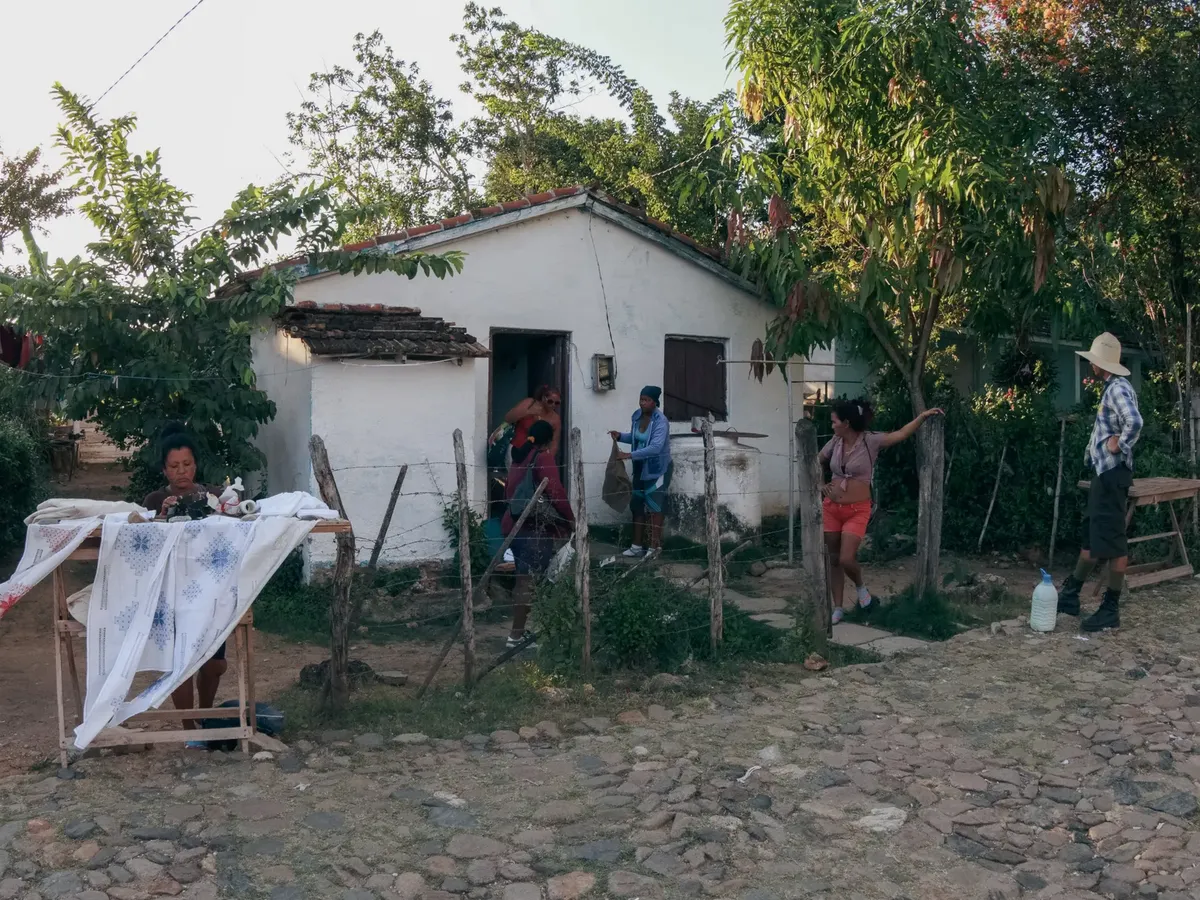
A family gathers around a table to share a meal, the aroma of spices filling the room as music plays in the background. This connection to heritage is central to the Hispanol lifestyle guide.
According to Wikipedia, the UNESCO Intangible Cultural Heritage program has certified the importance of Mexican cuisine (2010), mariachi music (2011), and charrería (2016).
The importance of these customs is seen in how they are passed through generations. For instance, the certification of the Days of the Dead in 2003 highlights how historical rituals remain active in modern life.
Such traditions ensure that even as the world changes, the core of the community remains intact.
What are the patterns of Hispanol daily life?
He walks through the crowded market at noon, feeling the heat on his skin while checking his phone to navigate his modern lifestyle.
An individual checks a smartphone while walking through a vibrant market, blending modern technology with traditional surroundings. Understanding these patterns helps visitors navigate the local atmosphere.
The way people interact with their environment is often a mix of old and new. A Hispanol daily life often involves navigating both high-tech connectivity and deeply rooted community habits.
For example, the digital landscape is expanding, with the World Bank reporting that Mexico recorded a share of internet users of 83.1% in 2024.
This connectivity allows for a seamless blend of remote work and local engagement. While technology changes how people communicate, the underlying social structures remain strong. This duality is a hallmark of the modern experience in the region.
How does the climate affect the Hispanol way of life?
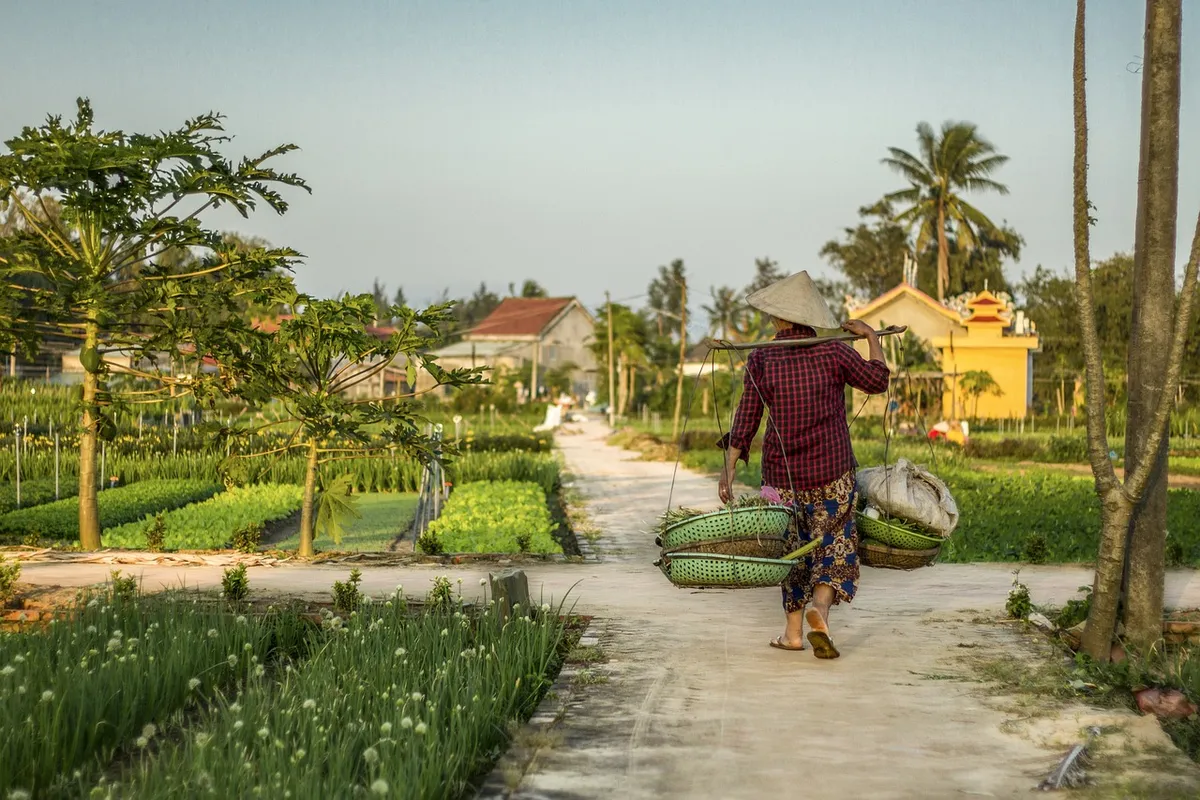
A person feels the warm breeze coming off the ocean while sitting on a shaded terrace, seeking relief from the midday sun. The environment plays a decisive role in how people structure their days.
The weather dictates much of the outdoor activity and architectural choices. A Hispanol way of life in coastal areas is heavily influenced by the annual mean temperature of 27.1 °C (80.8 °F). This warmth requires specific habits, such as seeking shade or utilizing natural ventilation.
In areas like the Yucatán Peninsula, the environment offers natural relief. Unlike inland areas, sea breezes can restrict high temperatures from reaching 36 °C (97 °F) on most afternoons. This natural cooling makes outdoor social gatherings much more sustainable during the heat of the day.
What are the observations of Hispanol local culture?
A group of travelers listens to the sounds of a plaza, observing the natural flow of people moving between shops and cafes. Understanding these nuances helps in appreciating the local rhythm.
Observing the community reveals a lifestyle that values both movement and stillness. Hispanol local culture is often expressed through public gatherings and the shared use of open spaces. These spaces serve as the heart of social life, where people meet to talk, eat, and celebrate.
The intersection of tourism and local living also shapes these observations. For example, the region's history with international arrivals, which reached 51,128,000 in 2020 according to the World Bank, creates a unique environment where locals and visitors interact constantly.
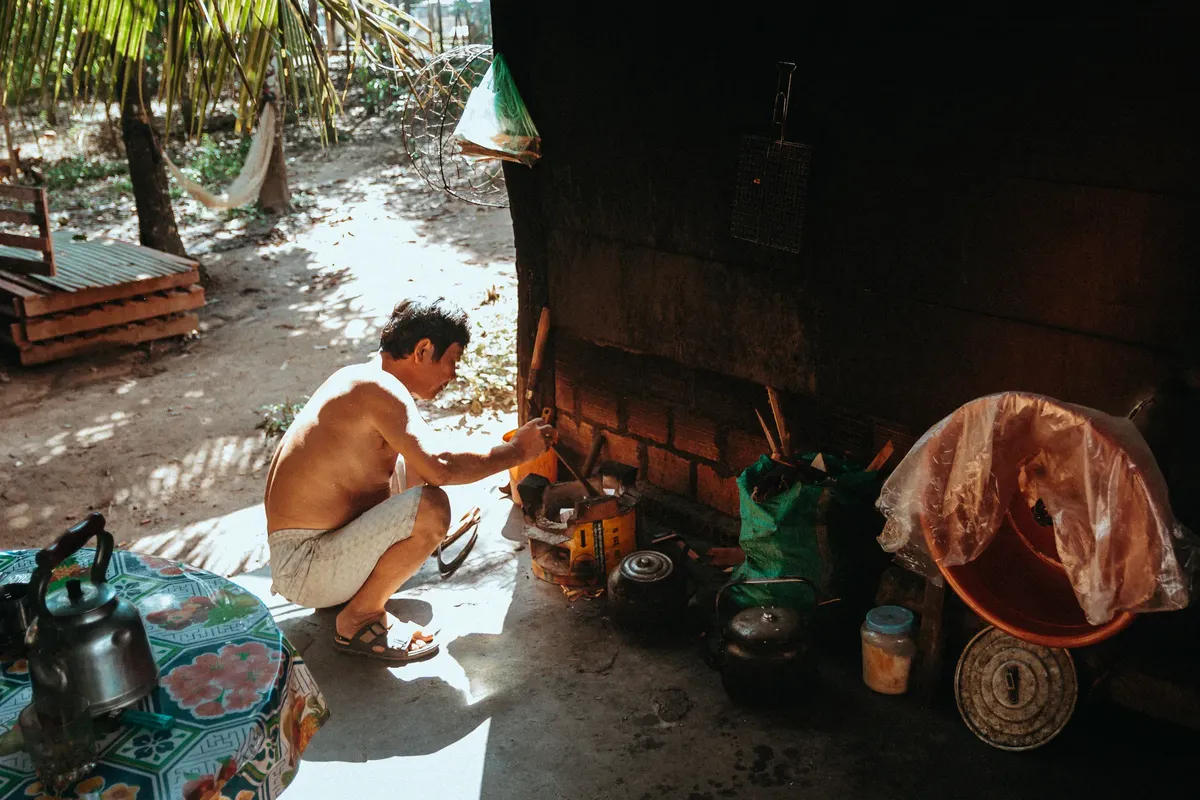
This constant movement adds a layer of dynamism to the local culture.
How to adapt to the environment for Hispanol traditions explained?
A traveler prepares for a day of exploration by choosing light clothing and preparing for sudden weather changes. Adapting to the environment is an essential part of experiencing the culture.
When visiting or living in these regions, following specific steps can help you integrate better. To understand Hispanol traditions explained through the lens of environment, consider these steps:
- Plan outdoor activities for the cooler morning or late afternoon hours to avoid the peak heat. 2. Utilize coastal locations where sea breezes provide natural temperature regulation. 3. Respect and participate in local customs, such as culinary traditions, to better connect with the community.
I found that adjusting my schedule to the natural light and breeze made the experience much more comfortable. A final check of the local weather forecast is always necessary to prepare for seasonal changes.
What are the limitations of this guide?
A sudden storm rolls in from the sea, changing the atmosphere of the coastline in an instant. Understanding the limits of environmental stability is part of living in this region.
According to a 2018 survey by the Medical Tourism Association, Mexico is among the top medical destinations for Americans.
The guide focuses on general patterns and known cultural data, but it cannot account for specific localized weather events or sudden shifts in individual lifestyles.
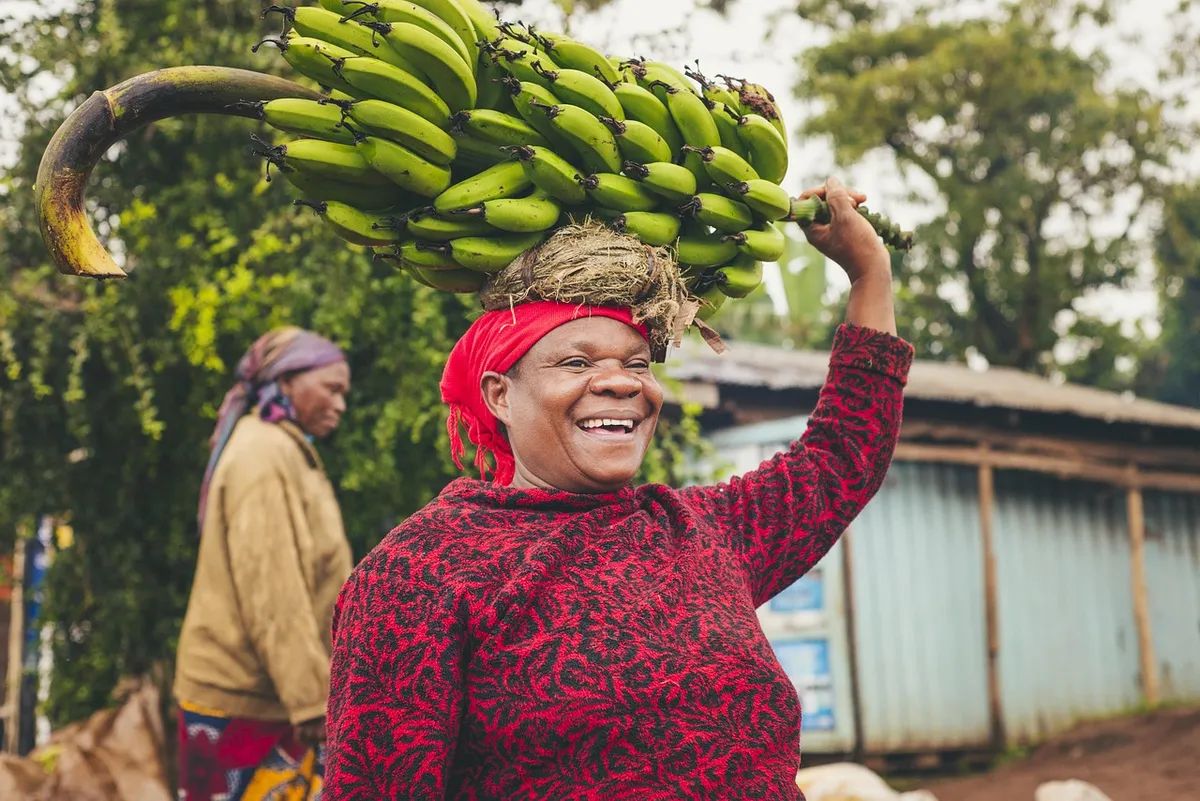
For example, the impact of natural events like Hurricane Wilma in 2005, which brought winds in excess of 150 mph, shows that the environment can change rapidly.
| Factor | Data Point |
|---|---|
| Internet User Share (2024) | 83.1% |
| High-Tech Export Share (2024) | 19.3% |
The data provided reflects specific historical and recorded snapshots, and local conditions can vary significantly between different regions and specific weather events.
- A Hispanol lifestyle guide requires an understanding of how cultural heritage and environmental factors shape daily routines.
- The cultural identity of the region is deeply rooted in recognized traditions.
- These elements provide a framework for social interaction and community bonding.
The same subject is also called Hispanol people habits.
This part also covers Hispanol customs observed.
This part also covers Hispanol routines shown.
Related






Comments 0