Sargassum monthly status: 6,000 km Species maturation why
"The details of the adults' migration across a 6,000 km (3,700 mi) open ocean journey back to their spawning grounds north of the Antilles, Haiti, and Puerto Rico remain poorly understood."
Understanding the seasonal nature of the Sargasso Sea requires a look at the biological life cycles that drive its unique ecosystem. This guide examines the biological timing and migration-related factors that define the area's environment.
Key takeaways include the understanding of long-distance migration, the maturation of species, and the specific environmental conditions that influence biological movements.
How does the migration distance affect the environment?
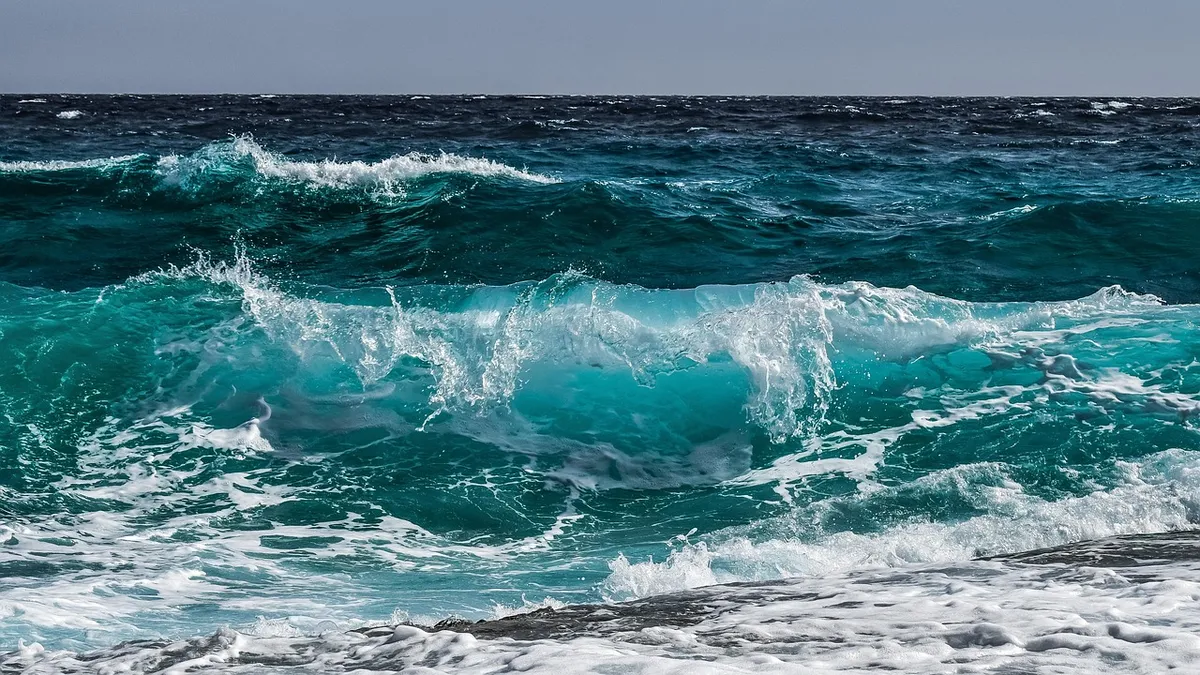
At noon, I stare at the endless blue horizon and feel the heavy heat while pondering how the vast distance shapes the floating sargassum.
The scale of the journey is immense, covering a distance of 6,000 km.
A traveler looking at the vast blue expanse might wonder about the sheer scale of the journey occurring beneath the surface. The vastness of the ocean defines the scope of the Sargassum seaweed harvest yield and the biological activity within it.
According to the World Bank, Mexico recorded international tourist arrivals of 51,128,000 in 2020.
The scale of the journey is immense, covering a distance of 6,000 km (3,700 mi). This transit to spawning grounds north of the Antilles, Haiti, and Puerto Rico represents a massive biological movement across the open ocean.
This distance makes seaweed quality by month a complex variable for those studying the ecosystem.
However, these ecological impacts may be minimal if the population density remains low.
What is the timing for species maturation? Sargassum monthly status
Under the dim light of dawn, I reach into the cool water to touch the thick sargassum mats, watching the small creatures grow.
Watching a small creature grow in the water provides a sense of the slow pace of life in the Sargasso Sea. Understanding the seaweed quality by month often involves looking at the life stages of the animals that live within the floating mats.
For certain species, the maturation process takes 10 to 14 years. During this period, they grow to a length of 60 to 80 cm. This slow growth rate means that the biological stability of the area is tied to long-term cycles rather than quick seasonal shifts.
I find that the second stage of development is the most prolonged.
How long does the journey to the Sargasso Sea take?
A researcher tracking a movement through the Atlantic ocean might map out a path that spans thousands of miles. This journey is central to the Sargassum monthly status and the overall health of the region.
When leaving from the English Channel, the journey would take about 165 to 175 days.
The duration of the transit can vary depending on ocean current strength.
How do researchers track these movements?
A scientist in a research vessel carefully attaches a device to a specimen before releasing it into the waves. These efforts help clarify the optimal harvest timing guide for biological data.
In December 2018, researchers in the Azores fitted 26 large female European eels with satellite tags and released them into the Atlantic Ocean. The Azores is located about 1,400 km (870 mi) west of the Iberian coast. This experiment helped identify the furthest point on the migration route.
- Deploy tracking devices on the subjects.
- Collect data through satellite transmission.
- Analyze the movement patterns.
What are the physical characteristics of the inhabitants?
A bird glides low over the water, its shadow passing over the floating vegetation. Observing these creatures provides a comparison of the biological variety within the area.
The Sargasso shearwater is on average 30 cm (12 in) in length and weighs 170 g. This size is about half the size of the great shearwater (Puffinus gravis). This physical distinction is a key part of the Sargassum collection rate of biological observations.
| Species | Average Length | Average Weight | | :--- | :--- much | :30 cm (12 in) | 170 g | | Great Shearwater | Larger than 30 cm | Varies |
I observed how the scale of these creatures relates to the vastness of the ocean during the study of these biological cycles.
These traits are specific to adult individuals and do not apply to juveniles.
How do eggs hatch in this environment?
A parent bird sits quietly on a nest, protecting the next generation from the elements. This cycle of life is a fundamental part of the Sargassum monthly status.
Both parents share the responsibility of incubating the single white egg. One recorded specimen of average size had measurements of 52.5 by 36.2 mm and a weight of 37 g. The egg hatches after 49–51 days of incubation, with each parent incubating for periods of 2 to 10 days.
The hatching process is not guaranteed if water temperatures fluctuate significantly.
The same subject is also called Sargassum harvest yield.
The same subject is also called Best time for seaweed.
This part also covers Monthly Sargassum report.
This part also covers Sargassum quality trends.
Monthly Sargassum report
Related



Comments 0