Chichen Itza Maya history guide: Site's cultural pillar
"The stones of the Yucatan hold the secrets of a civilization that mastered time, space, and the stars."
Understanding the Chichen Itza Maya history guide requires looking beyond the limestone structures to the complex societal organization of the Maya civilization. This guide explores the historical significance of the site, the cultural context of the region, and the importance of preservation.
Key takeaways include the site's status as a cultural pillar, its connection to broader Mexican heritage, and the environmental context of the Riviera Maya.
How does the Chichen Itza Maya history guide connect to broader heritage?
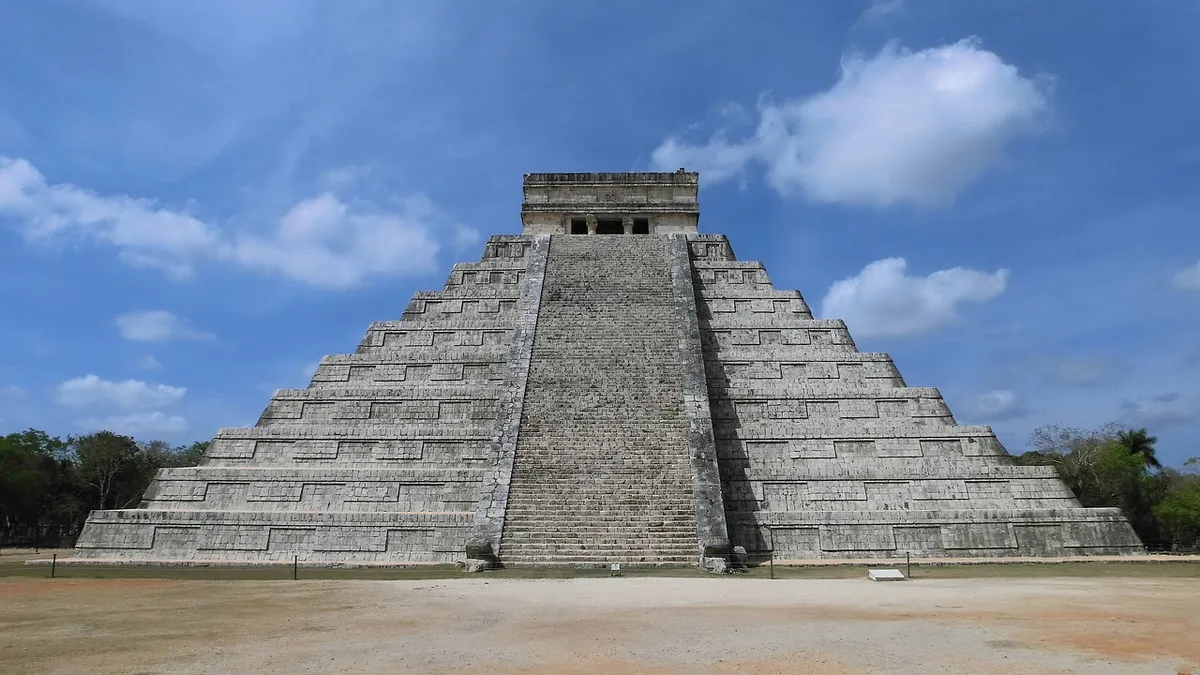
Walking through the heavy heat of the Yucatan, one feels the weight of centuries in every shadow cast by a pyramid. A Chichen Itza Maya history guide begins by recognizing that these ruins are part of a much larger tapestry of Mexican identity.
This diversity shows how the Maya civilization Chichen Itza remains a vital part of a much larger historical narrative. Understanding the Chichen Itza ruins background involves seeing these structures not as isolated monuments, but as links to a deeply rooted cultural legacy.
This overview provides a foundational understanding of how local history intertwines with global archaeological significance.
What is the significance of the Maya site historical meaning?
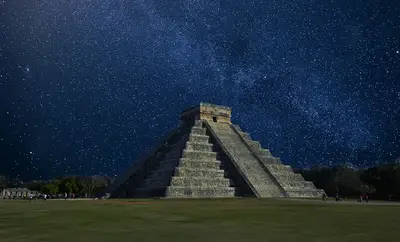
Standing before a towering temple, the sheer scale of ancient engineering becomes a physical sensation. The Maya site historical meaning is often tied to the sophisticated understanding of astronomy and ritual that guided daily life.
The ancient Maya cultural value is reflected in how these sites served as centers for science and spirit. This deep connection to the land and cosmos is a cornerstone of the region's identity.
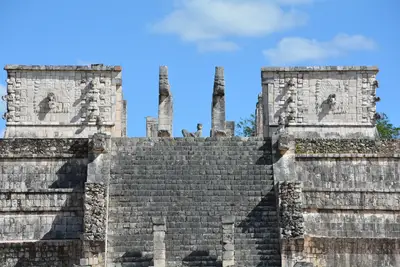
Exploring the Mesoamerican pyramid history allows visitors to appreciate how architecture served as a bridge between the earthly and the divine.
The site serves as a profound testament to the architectural and astronomical sophistication of the Maya civilization.
Where does the site fit into the regional landscape?
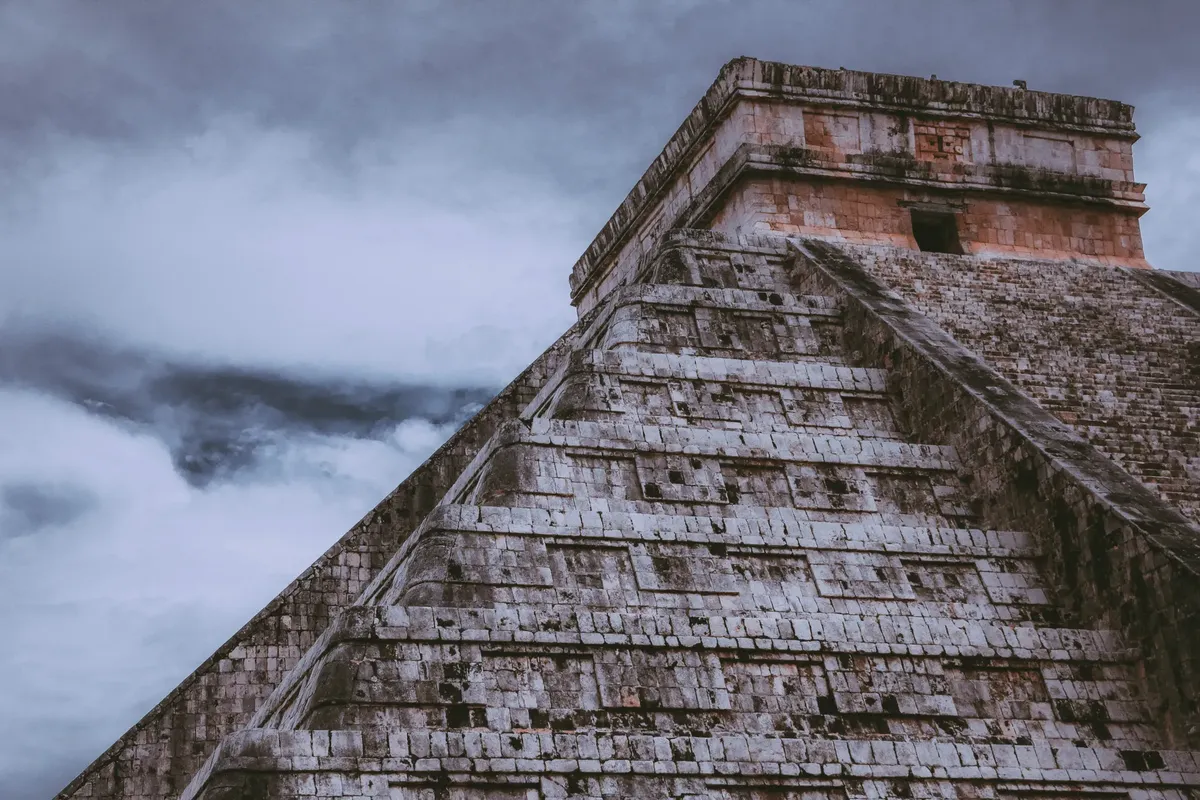
Driving through the lush greenery toward the ruins, the transition from modern roads to ancient landscapes is striking. The Chichen Itza archaeological site exists within a unique geological environment that shaped the civilization's survival.
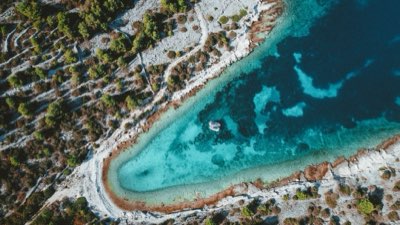
By 2008, the Quintana Roo Speleological Society (QRSS) reported more than 700 km (430 mi) of flooded cave passages within the limits of the Riviera Maya including the two longest underwater cave systems in the world of Sac Actun and Ox Bel Ha.
These subterranean networks were essential to the life of the Maya civilization timeline. The presence of such vast water systems highlights the environmental mastery required to sustain large populations in this region.
The ruins are centrally located within the Yucatan Peninsula, acting as a geographical and cultural hub for the region.
How has Mexico preserved its cultural legacy?
Observing the careful maintenance of the stone walkways, the effort to protect the past is evident. Protecting these sites is a matter of national pride and international responsibility.
Starting in the late twentieth century, Mexico has been alert to international venues to both protect tourist destinations such as archeological sites, colonial cities, and natural wonders listed as UNESCO World Heritage Sites.
This active stance ensures that the history of the Maya civilization remains accessible for future generations. The preservation of these sites is a key component of maintaining the country's cultural integrity.
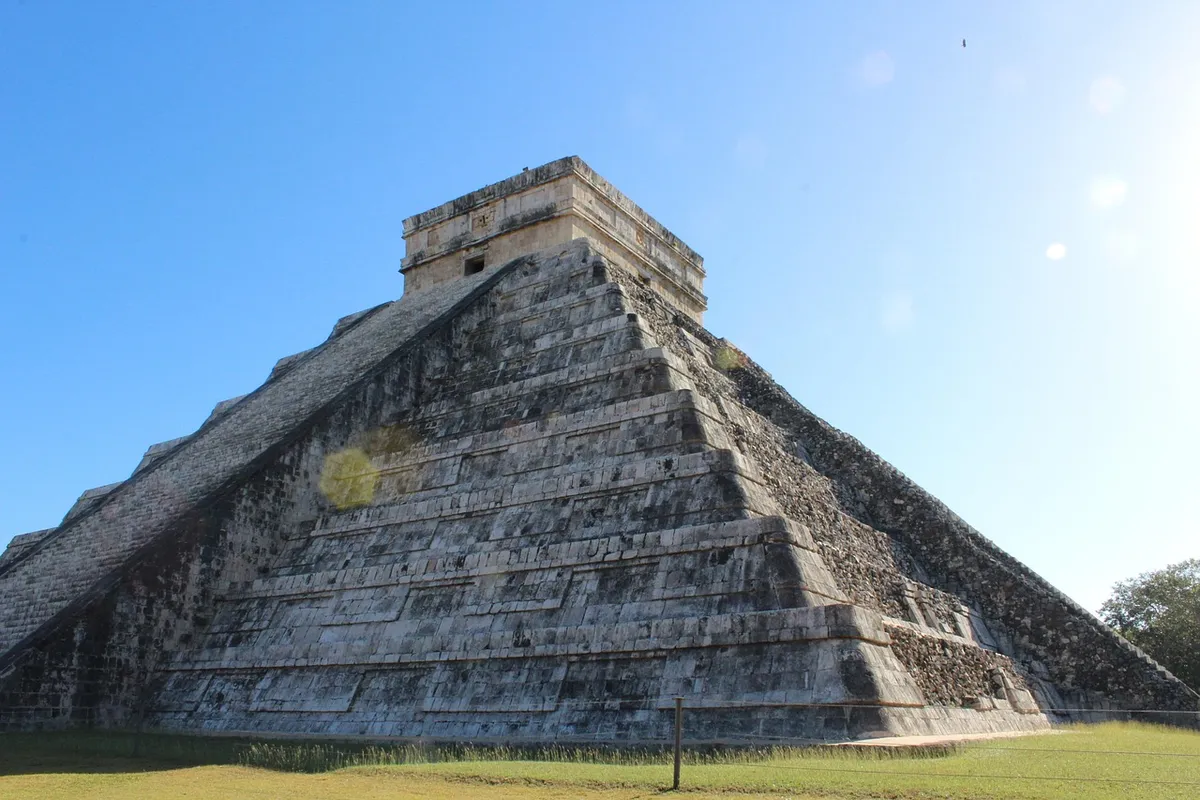
Through rigorous conservation efforts and site management, the nation maintains the integrity of its ancestral landmarks.
What are the economic impacts of visiting these ruins?
Watching crowds move through the gates, the economic scale of heritage tourism becomes clear. The tourism industry is a significant driver of the national economy, supporting many local communities.
According to a 2018 survey by the Medical Tourism Association, Mexico is among the top medical destinations for Americans.
The tourism industry in 2018 was about 8.7% of Mexico’s GDP and brought the country 215.5 billion Mexican pesos (or 10.8 billion U.S. dollars). This economic contribution helps fund the very preservation efforts that keep the ruins intact.
Large-scale tourism provides the resources necessary for ongoing archaeological work and site management.
Tourism revenue supports local communities and provides the necessary funding for ongoing site maintenance.
How do we follow steps to visit responsibly?
Navigating the crowded paths of a major archaeological site requires careful planning and respect. To make the most of a visit to such a significant location, follow these steps:
- Research the specific history of the site to understand the context of the structures you are viewing. 2. Respect the physical boundaries of the ruins to prevent erosion and damage to the ancient stones. 3. Support local communities that contribute to the preservation and storytelling of the site.
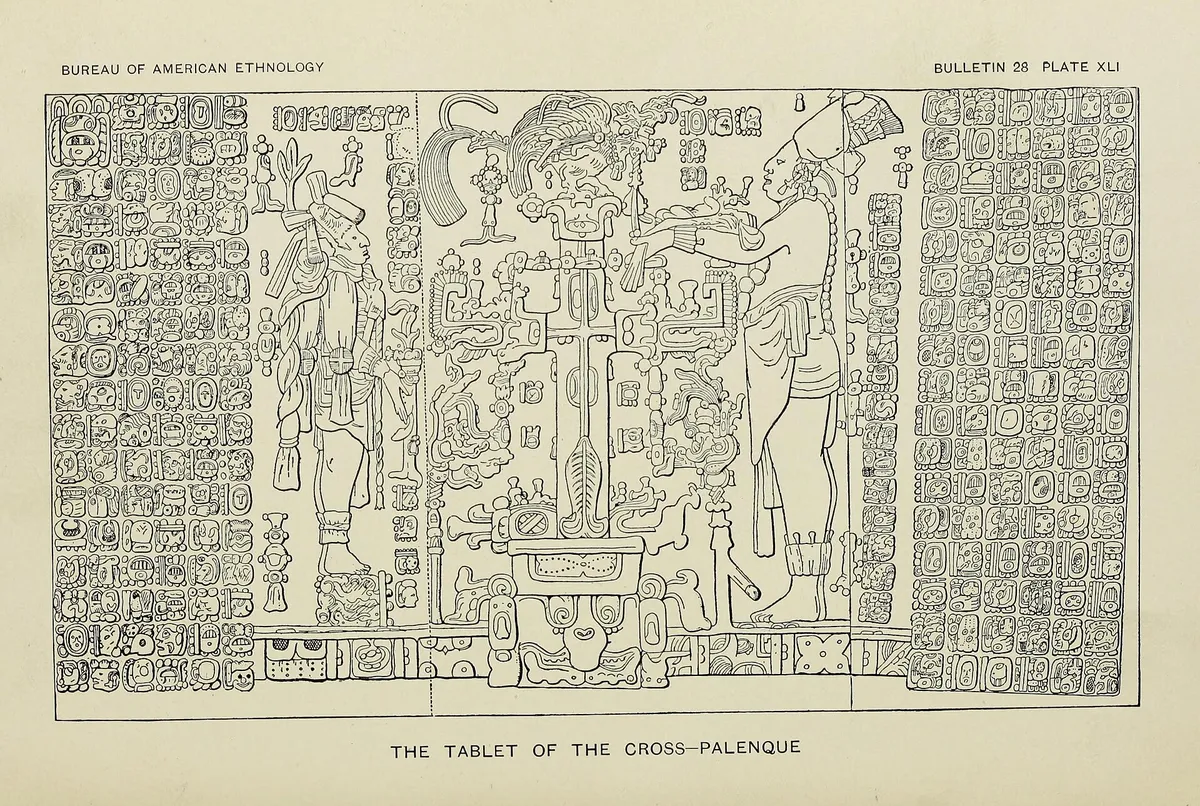
I always make sure to check the local weather and sun protection before stepping onto the open plazas. These steps ensure a meaningful connection to the history while respecting the site's integrity.
| Metric | Value |
|---|---|
| 2020 International Tourist Arrivals | 51,128,000 |
| 2025 GDP per capita | US$13,889 |
The limitations of understanding these sites are often tied to the fact that much of the archaeological record remains buried or subject to environmental changes.
- Respect the physical boundaries of the ruins to prevent erosion.
- Support local artisans by purchasing authentic handicrafts.
- Minimize waste by carrying reusable water bottles.
In this sequence, the second step is the most significant for community engagement.
Chichen Itza archaeological site
Related
- Chichen Itza cartel stability: Guide to regional security
- Chichen Itza safety guide: Manage crowds for smooth journey
How does the preservation effort compare to the scale of the civilization?
The modern preservation efforts mirror the scale of the civilization that once utilized the Yucatan stones. The Maya civilization demonstrated an advanced mastery over its environment, much like the current efforts strive to maintain the fragile balance of the site against time and erosion.
This comparison underscores the immense value placed on the ruins by contemporary custodians.
What cautions apply to modern visitors?
Visitors must observe the same level of respect for the stones that the Maya demonstrated for their sacred structures. The caution is that the environment itself is a fragile element, much like the ancient structures were dependent on a stable ecosystem for their existence.
Therefore, modern visitation must proceed with extreme care to avoid introducing undue stress to the site.
- Always consider the environmental fragility when walking the paths of the Yucatan. 2. Recognize that the structures represent a culmination of sophisticated, yet vulnerable, cultural knowledge. 3. Approach the site with the mindset of a temporary guardian of a profound historical treasure.

Comments 0