Chichen Itza honeymoon plan: Guide to 27.1 °C climate
Planning a Chichen Itza honeymoon plan requires navigating a hot climate and managing time to avoid peak crowds. This guide provides a Chichen Itza travel schedule tailored for couples, emphasizing the importance of checking local weather and historical site management. You should prepare for high temperatures and consider the seasonal rainfall patterns to ensure a romantic Chichen Itza itinerary.
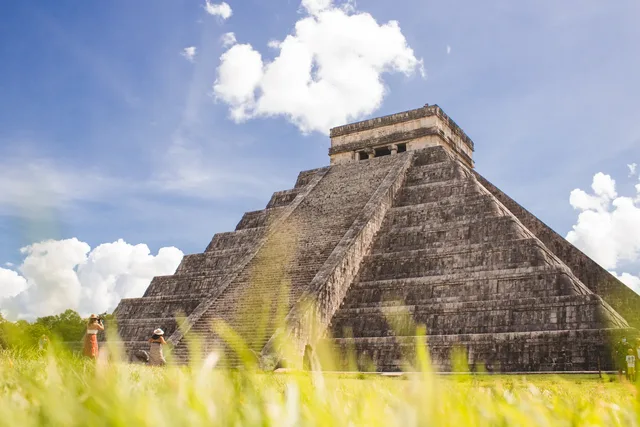
* Navigate the heat with knowledge of the annual mean temperature of 27.1 °C (80.8 °F). * Plan for rain, as the area sees about 1,340 millimeters (52.8 in) of annual rainfall. * Visit the second-most visited archaeological site in Mexico. * Recognize that the site is managed by Mexico's Instituto Nacional de Antropología e Historia (INAH).
How can I plan a Chichen Itza honeymoon plan?
At dawn, you trace the warm stone of a ruin while refining your Chichen Itza honeymoon plan.
Walking through the massive stone structures under a bright sun is the first step for any traveler. A successful Chichen Itza honeymoon plan focuses on balancing the intense heat with the desire to see the ruins.
Because the city is hot year-round, understanding the local climate is essential for comfort.
The environment remains consistently warm, though onshore trade winds provide some relief. According to the provided data, the city has an annual mean temperature of 27.1 °C (80.8 °F).
This means your Chichen Itza travel schedule should prioritize early morning or late afternoon visits to avoid the midday sun.
- Book a private guided tour to ensure intimacy and privacy.
- Reserve a luxury hotel in the nearby Valladolid or Mérida area.
- Schedule a sunset dinner at a local cenote restaurant.
When is the best time for me to visit Chichen Itza?
Standing in the shadow of a pyramid, you feel the weight of history and the warmth of the air. The best time to see Chichen Itza involves avoiding the peak heat of the afternoon.
Since sea breezes restrict high temperatures from reaching 36 °C (97 °F) on most afternoons, the coastal influence is a vital factor.
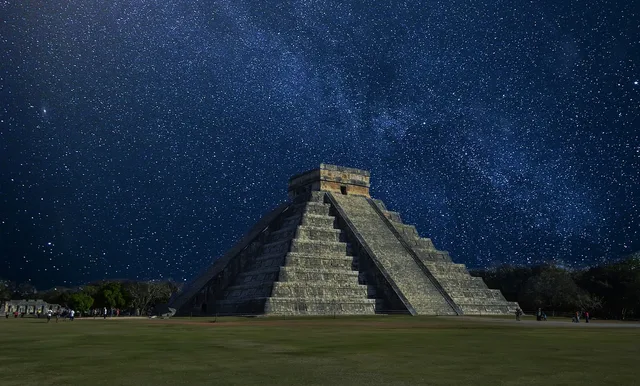
Unlike inland areas, the coastal influence helps moderate the heat. However, the climate is still characterized by significant rainfall, which falls on approximately 115 days per year.
I once watched a sudden tropical downpour shift the mood of a tour, reminding me that the 1,340 millimeters (52.8 in) of annual rainfall can change plans quickly.
In this sequence, the first step is the most important.
According to World Bank, the 2021 record includes 13.0%.
Is this site well-managed for tourists?
Navigating the paths of the UNESCO World Heritage Site requires following the rules set by local authorities. The ruins of Chichen Itza are federal property, and the site's stewardship is maintained by Mexico's Instituto Nacional de Antropología e Historia (INAH).
This ensures the preservation of the structures for future generations.
As the second-most visited of Mexico's archeological sites, the area is often crowded. Understanding that the site's management is overseen by the Instituto Nacional de Antropología e Historia (INAH) helps travelers respect the boundaries of the ruins.
This protection is vital for a site of such immense historical significance.
What else can I see near the ruins?
Walking toward the lush greenery surrounding the main plaza, you might discover hidden natural wonders. About 4 km (2.5 mi) southeast of the Chichen Itza archeological zone, you can find a network of sacred caves. These are known as Balankanche, or Balamkaʼancheʼ in Yucatec Maya.
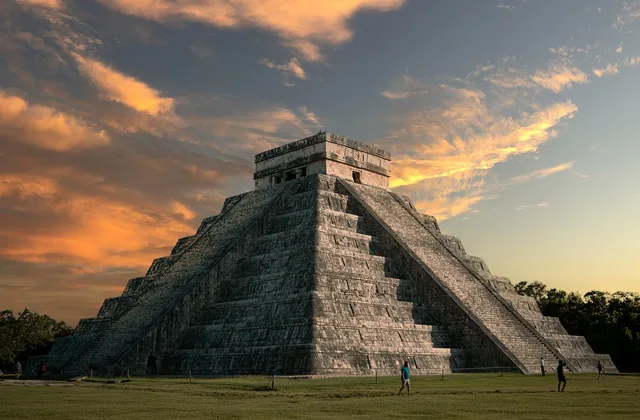
According to World Bank data, Mexico recorded international tourist arrivals of 51,128,000 in 2020.
Exploring these caves offers a different side of the Yucatán Peninsula. While the main ruins are the primary draw, these sacred sites provide a more secluded atmosphere.
This is a key element for a romantic Chichen Itza itinerary, allowing for a sense of discovery away from the main tourist thoroughfares.
How do I prepare for the climate?
Packing light, breathable clothing is a necessity when facing the tropical conditions of the Yucatán. You must account for both the warmth and the potential for rain. A smart traveler prepares for the 115 days of annual rainfall that occur throughout the year.
To prepare for your trip, follow these steps: 1. Pack lightweight, moisture-wicking clothing to handle the 27.1 °C (80.8 °F) annual mean temperature. 2. Carry a waterproof layer to prepare for the annual 1,340 millimeters (52.8 in) of rainfall. 3.
Schedule your walking tours for the early morning to avoid the afternoon heat.
I find that checking the weather forecast specifically for the 115 rainy days per year is my final step before leaving.
Comparison of Local Climate Factors
| Feature | Temperature/Rainfall Detail |
|---|---|
| Annual Mean Temperature | 27.1 °C (80.8 °F) |
| Annual Rainfall | 1,340 mm (52.8 in) |
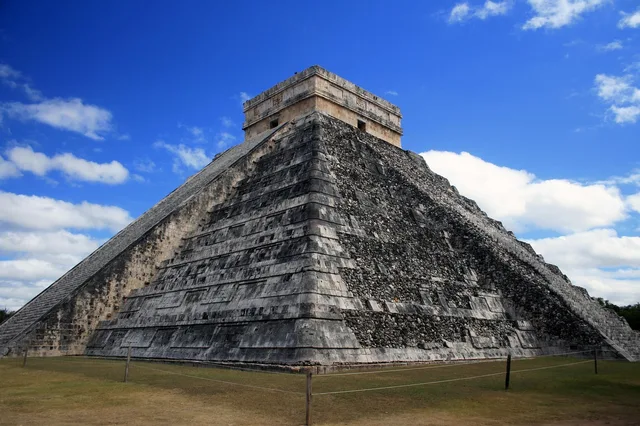
The climate is managed by trade winds, but the sheer volume of water during the rainy season is a factor to consider. While the sea breeze helps keep the temperature below 36 °C (97 °F), the heat remains a constant presence.
World Bank Based on the retained excerpt mentioning World Bank: According to World Bank data, Mexico recorded renewable energy share of final consumption of 13.0% in 2021.
The same subject is also called Honeymoon trip Chichen Itza.
This part also covers Chichen Itza climate viewing tips.
This part also covers Ideal honeymoon elements Chichen Itza.
This part also covers Seasonal guide Chichen Itza trip.
Chichen Itza climate viewing tips
Related
- Mexico income tax changes: How to guide your budget best
- Cancun hotel zone spring break tips guide best experience
How should travelers manage the site's conditions?
Travelers should manage the site's conditions by prioritizing the timing of their visits to mitigate heat exposure. Because the annual mean temperature is 27.1 °C (80.8 °F), you should avoid the midday sun.
Since sea breezes help keep temperatures below 36 °C (97 °F), you should use this coastal influence to your advantage.
- Check the seasonal rainfall patterns to prepare for the 115 days of annual rain. 2. Monitor the weather to account for the 1,340 millimeters (52.8 in) of annual rainfall. 3.
Comparing the climate factors shows that while the trade winds provide relief, the rainfall remains a significant condition for planning. You must balance the 27.1 °C (80.8 °F) heat with the necessity of preparing for sudden tropical downpours.






Comments 0