How does the temperature affect Sargasso seaweed selection?
"The ocean breeze provides a natural cooling effect that keeps the coastal environment distinct from the inland heat."
Planning a trip to the coast requires understanding how local climate and regional stability influence your travel experience. This guide covers temperature variations, seasonal shifts, and the environmental factors affecting the Caribbean coast.
How does the temperature affect Sargasso seaweed selection?
A traveler stands on a balcony in the Hotel Zone, feeling the warmth of the Caribbean Sea. The air is thick with humidity, yet a steady breeze moves through the palm trees. According to World Bank data, Mexico recorded international tourist arrivals of 51,128,000 in 2020.
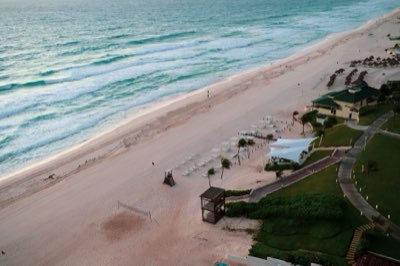
The coastal environment is shaped by specific thermal patterns that differ from the mainland. Because the Hotel Zone juts into the Caribbean Sea and is therefore surrounded by ocean, daytime temperatures remain around 1 to 2 °C (1.8 to 3.6 °F) cooler than inland areas.
This unique positioning offers a more temperate experience for those seeking coastal relaxation.
The sea breezes serve as a natural regulator for the region. Unlike inland areas of the Yucatán Peninsula, sea breezes restrict high temperatures from reaching 36 °C (97 °F) on most afternoons. This moderation makes the seaside a preferred destination for those sensitive to extreme heat.
The annual mean temperature is 27.1 °C (80.8 °F), which is moderated by onshore trade winds. This constant airflow helps maintain a consistent environment for visitors.
In this sequence, the first step is the most critical.
What is the Sargasso seaweed stability in the water? Sargasso seaweed cartel safety
A swimmer moves through the clear, turquoise water, noticing the warmth against their skin. The current pulls gently, moving water from the south toward the coast.
The sea temperature is influenced by the constant movement of the Yucatán current. Thanks to the Yucatán current continually bringing warm water from further south, the sea temperature is always very warm, with lows of 79 °F (26 °C) in winter and highs of 84 °F (29 °C) in summer.
This thermal consistency ensures the water remains inviting year-round.
The stability of the water temperature is a key factor for marine life and surface conditions. The constant influx of warm water creates a predictable environment for maritime activities.
How do seasonal shifts impact Sargasso seaweed travel risk?
A traveler looks at a weather map, noting the potential for seasonal storms. The transition from summer to autumn brings changes in wind and wave patterns.
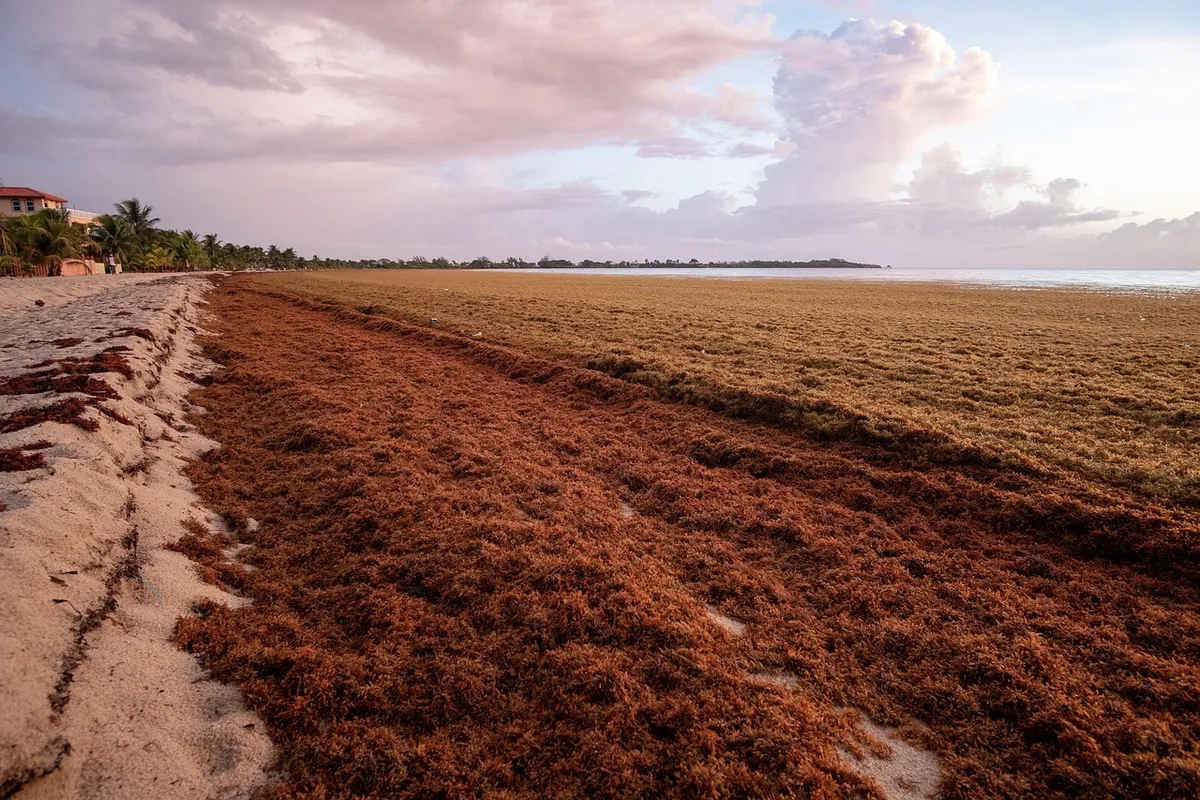
Seasonal changes can bring significant changes to the coastal landscape. For example, in the Cancún region, a loss of $87 million (1989 USD) due to a decline in tourism was estimated for the months of October, November, and December in 1988.
These fluctuations highlight how seasonal shifts can impact the local economy and travel patterns.
The timing of a visit can change the experience of the coastline. Travelers must account for these historical economic shifts when planning long-term stays.
What are the historical weather patterns for regional stability seaweed?
A heavy rain begins to fall, and the wind picks up speed across the peninsula. The history of the region is marked by powerful natural events that have shaped the coastline.
Natural events have significantly altered the geography of the coast. On October 21, 2005, Hurricane Wilma made landfall on Mexico's Yucatán Peninsula as a powerful Category 4 hurricane, with strong winds in excess of 150 mph (240 km/h).
Such events demonstrate the dynamic nature of the Caribbean environment.
Two years after Hurricane Wilma, in 2007, Hurricane Dean made landfall as a Category 5 storm in Majahual, 190 miles (310 km) to the south of Cancún. These historical precedents are vital for understanding regional stability.
How can one manage the impact of storms on the coast?
A person walks along a beach, observing the sand dunes and the shoreline. The aftermath of a storm can leave a lasting imprint on the coast.
Storms can physically reshape the coastline in a single day. Fierce winds at the edge of Dean's impact cone stripped sand off 7.5 miles (12.1 km) of beaches from Punta Cancún (Camino Real Hotel) to Punta Nizuc (Club Med). This physical change can alter the availability of beach space for visitors.
To prepare for these environmental shifts, consider these steps:
- Monitor local weather reports and historical storm paths. 2. Choose accommodations that are well-positioned relative to coastal erosion. 3. Understand the difference between inland and coastal weather patterns.

I remember checking the coastal wind speed during a summer afternoon to decide between a boat trip or a beach walk.
A limitation of these patterns is that coastal cooling only applies to the immediate seaside, as inland areas remain significantly hotter.
- Monitor local weather forecasts regularly.
- Secure loose coastal equipment.
- Implement shoreline reinforcement measures.
The subject here is Sargasso seaweed cartel safety.
The same subject is also called Cartel leader death impact.
This part also covers Post assassination stability.
This part also covers Cartel impact on seaweed.
Related
- Chichen Itza cartel stability: Guide to regional security
- Chichen Itza safety guide: Manage crowds for smooth journey
How does the ocean breeze contribute to coastal comfort?
The ocean breeze acts as a natural cooling agent, contrasting sharply with the inland heat experienced on the Yucatán Peninsula. This constant flow of air prevents the daytime temperatures from reaching the extreme highs found further inland. The sea breezes moderate the thermal load on visitors enjoying the Hotel Zone.
The predictable presence of this breeze is a direct result of the regional geography. It keeps the coastal environment feeling distinctly different from the mainland's thermal profile. This difference is crucial for sustained pleasantness during a visit.
This natural phenomenon allows the seaside to remain inviting even when inland conditions become overly hot. The breeze facilitates the overall temperate experience sought by many travelers.

Comments 0