Sargassum Bloom: Timing Your Riviera Maya Vacation Right
The brown tide can turn a dream vacation into a frustrating struggle against seaweed-clogged shores.
Success in the Riviera Maya often depends on one unpredictable variable: the arrival of Sargassum. Understanding the bloom cycle is the difference between swimming in crystal-clear turquoise water and fighting through thick, decaying seaweed.
* Peak Bloom Window: Generally, the heaviest seaweed arrivals occur between April and August, though unpredictable shifts can push blooms into different months. * Diversion Strategy: When the coast is hit, pivot your itinerary to inland cenotes, archaeological ruins, and deep-water boat excursions. * Optimal Timing: The "golden window" typically falls during the cooler months when the water remains warm but the seaweed load is significantly lower.
When is Sargassum Most Present?
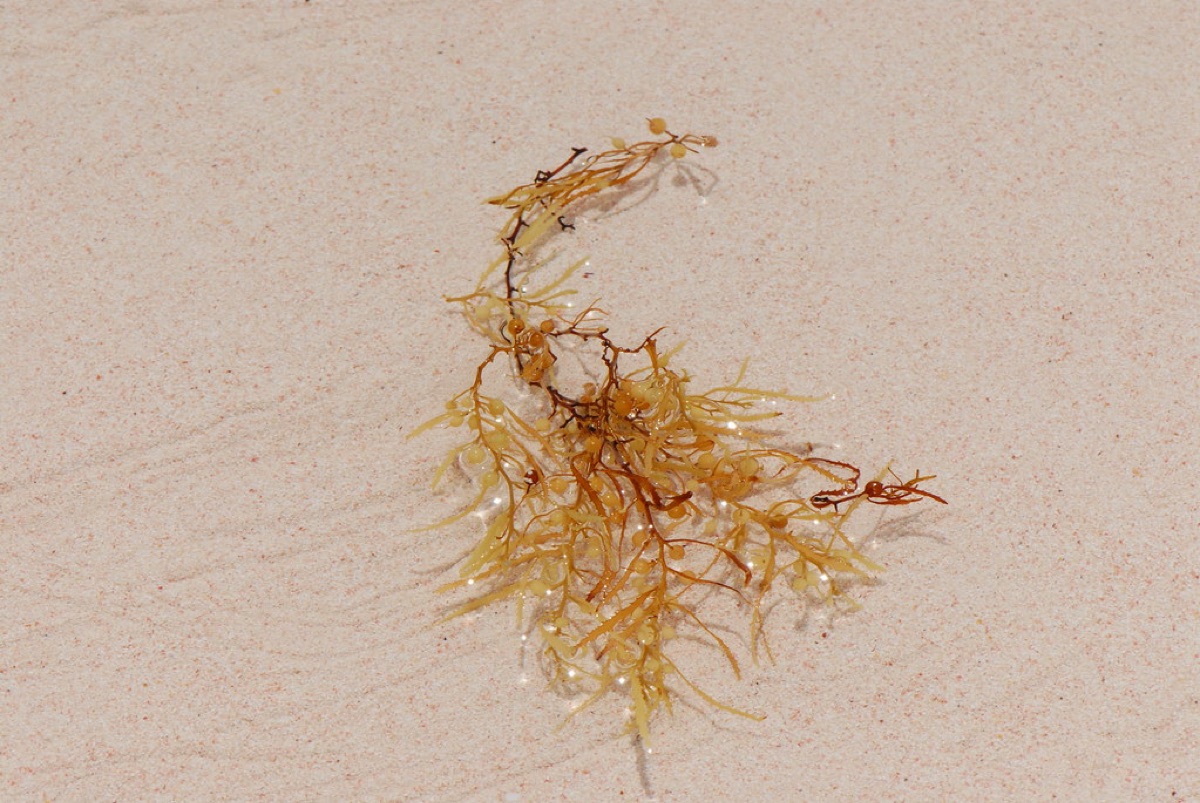
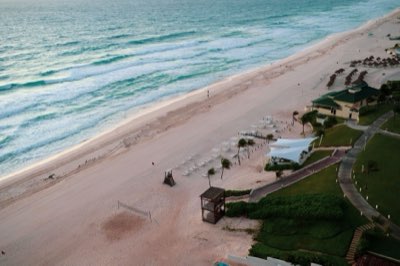
A traveler stands on a balcony in the Hotel Zone in July 2026, looking down at a coastline that should be bright blue but is instead draped in thick, rust-colored mats of seaweed. The smell of sulfur rises from the shore as the tide rolls in.
The Sargassum bloom cycle is not as fixed as the seasons in the north, but patterns do emerge. Historically, the seaweed begins to accumulate in significant amounts during the spring, peaking in the late spring and summer months.
In 2025, we saw significant fluctuations that proved how unpredictable these cycles can be.
This surge is driven by a combination of warming ocean temperatures and nutrient-rich currents moving from the Atlantic toward the Caribbean coast. While the bloom is a recurring natural phenomenon, its severity can vary wildly from year to year.
In high-bloom years, the seaweed can blanket the entire coastline of Cancun and Playa del Carmen, making traditional beach lounging nearly impossible.
In contrast, during lower-bloom years, the water remains largely clear, even during the warmer months. The relationship between the bloom and travel seasons is a delicate balance.
The "low season" in terms of rainfall often aligns with periods where the seaweed might be more manageable, but the "high season" for tourism often overlaps with the peak of the bloom.
Travelers must recognize that a sunny, warm day does not guarantee a pristine beach. But what happens when you arrive and the sand is already gone?
Sargassum Present: How to Salvage Your Vacation
A group of friends sits in a hotel lobby in late June, staring at a smartphone screen showing a news report of a massive seaweed surge hitting the coast. They realize their planned beach club day is no longer an option.
If you arrive to find the beach covered in brown seaweed, do not cancel your trip. Instead, you must shift your focus from the shoreline to the interior of the Yucatan Peninsula. The most effective way to salvage a vacation during a bloom is to embrace the "inland" side of the region.
Cenotes—natural limestone sinkholes filled with fresh groundwater—are your best friend during a seaweed crisis. Because these are freshwater bodies located inland, they are entirely unaffected by the oceanic Sargassum.
Diving or swimming in a cenote provides the same incredible water clarity and unique underwater beauty as the ocean, without the smell or the mess of the seaweed.
Another effective strategy is to head further offshore. While the seaweed tends to accumulate at the shoreline, the deep-water currents often remain clear. Booking a catamaran tour or a deep-sea fishing excursion can take you past the coastal mats into pristine, blue waters.
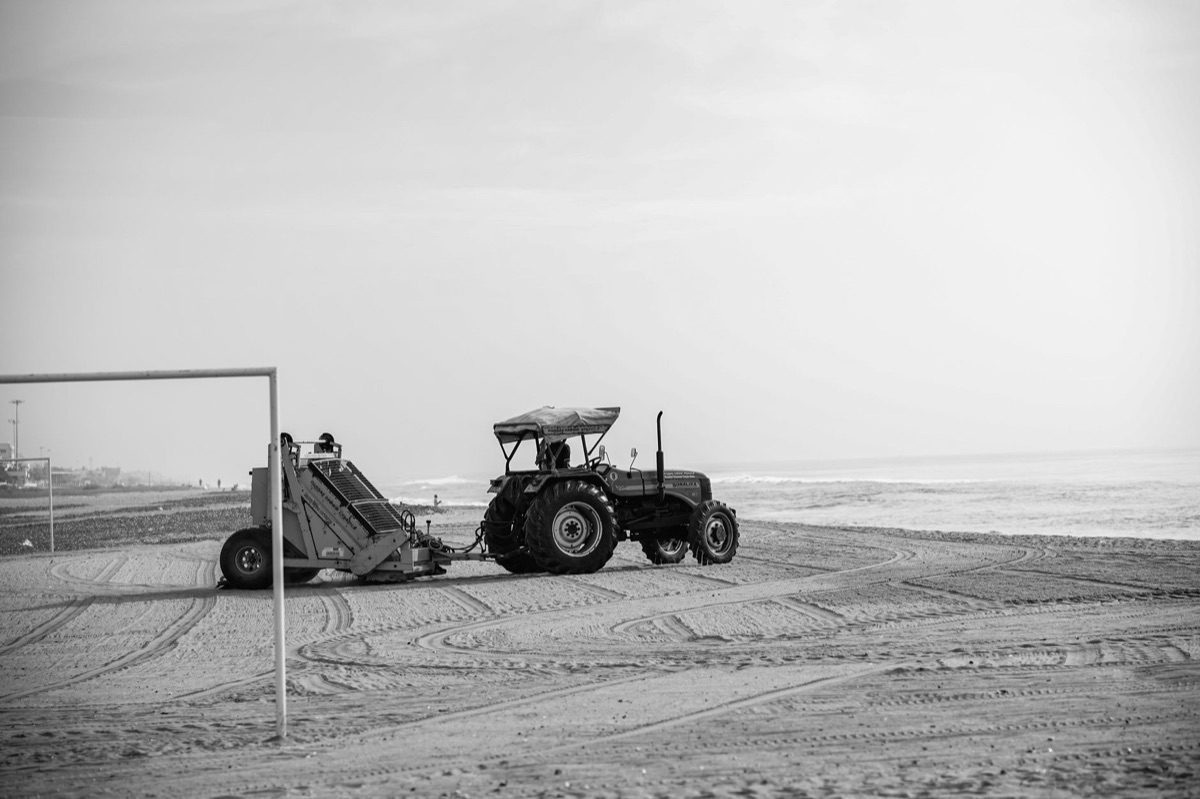
When planning your base, consider staying in areas with more protected coves or choosing resorts that have active seaweed-collection systems in place. But how do you know when you've actually hit the jackpot of clear water?
Sargassum Absent: Maximizing Your Swim Experience
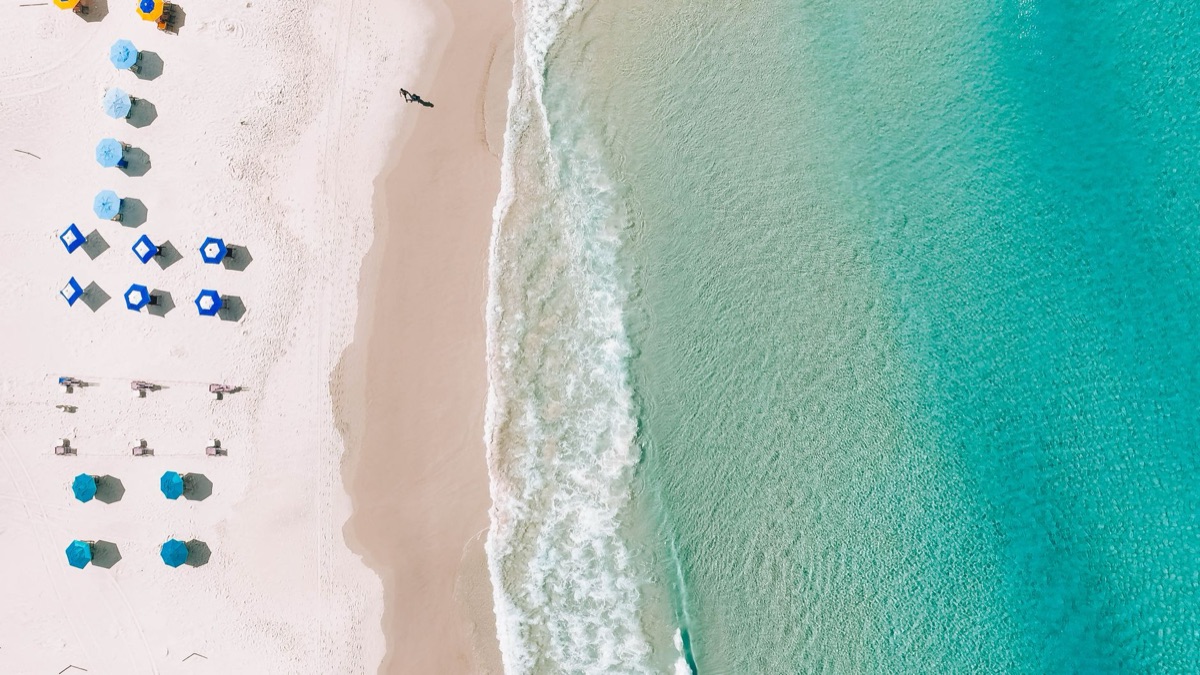
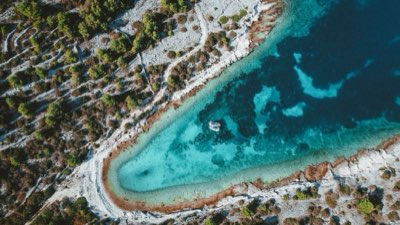
The sun rises over a perfectly clear, turquoise horizon in February 2026, where the only thing touching the white sand is the gentle, foamy edge of a clear wave. The water is so transparent that you can see the ripples in the sand far below the surface.
The golden window for a perfect beach experience typically occurs during the winter and early spring months. During this time, the seaweed load is usually at its lowest, allowing the natural beauty of the Caribbean to take center stage.
The water remains very warm, with lows of 79 °F (26 °C) in winter, making it perfect for swimming without the interference of organic debris.
During these clear months, you should prioritize activities that require high visibility. Snorkeling at the Great Mayan Reef or scuba diving at nearby reefs becomes a transformative experience when the water is clear of floating seaweed.
The visibility can extend for dozens of feet, allowing you to see the vibrant coral structures and marine life in stunning detail.
To make the most of this period, plan your days around the tides. In some areas, the seaweed may still drift in during high tide, so early morning swims are often the clearest.
Using this time to explore the coastal beauty is essential, as you can move between different beaches to find the exact level of calm and clarity you desire. However, knowing how to adjust your plans is just as important as knowing when to swim.
Sargestum & Your Itinerary: Activity Adjustments
A traveler stands at the edge of a massive stone ruin, looking out over the jungle, momentarily forgetting the heat of the sun. The transition from the coast to the ancient ruins feels like stepping into a different world.
Your itinerary should be built with flexibility in mind. If you are traveling during a potential bloom period, do not book your entire vacation around "beach days." Instead, create a hybrid itinerary that balances coastal activities with inland adventures.
| Activity Type | During High Bloom | During Low/No Bloom |
|---|---|---|
| Beach Lounging | Low viability; move to inland spots | High viability; perfect for sunbathing |
| Snorkeling/Diving | High risk of seaweed interference | High visibility; excellent for photography |
| Cenote Exploration | High viability; excellent alternative | High viability; always a great choice |
| Ruins/Archaeology | High viability; perfect distraction | High viability; great cultural immersion |
| Boating/Catamarans | Moderate; depends on distance from shore | High viability; pristine water access |
When the seaweed is present, prioritize the archaeological wonders of the Yucatan. Visiting sites like Chichen Itza, Tulum, or Coba provides a world-class experience that is entirely independent of the ocean's condition.
A day spent exploring the majesty of the Maya civilization is a perfect way to spend time when the coastline is less than ideal.
For those who still want to be in the water, focus on structured tours. Professional guides often know exactly which reefs or offshore spots are clear of seaweed. In contrast, a casual day at a local beach might lead to disappointment.
Always check the local conditions and the "water status" of your planned destination before committing to a full day of coastal activities. But there are other factors besides seaweed that can change your trip.
Beyond Sargassum: Other Weather Variables to Consider
A sudden tropical downpour drenches a coastal road in late August, turning the bright afternoon into a gray, misty scene. The smell of wet earth and salt fills the air as the rain begins to taper off.
While Sargassum is a major concern, other weather variables play a role in your travel experience. The Yucatan Peninsula is a tropical environment, and the weather is characterized by heat and humidity. The annual mean temperature is approximately 27.1 °C (80.8 °F), meaning it is warm year-round.
Rainfall is another factor to keep in mind. The region receives an annual rainfall of around 1,340 millimeters (52.8 in), occurring on roughly 115 days per year. These rain showers can be sudden and heavy, but they often pass quickly, leaving the air refreshed.
It is important to note that the Hotel Zone in Cancun juts into the sea, which can sometimes keep daytime temperatures about 1 to 2 °C (1.8 to 3.6 °F) cooler than inland areas due to the ocean breeze.
Finally, hurricane season is a reality in the Caribbean. While major storms are infrequent, they can cause significant disruptions to travel and coastal conditions.
Maintaining flexibility in your travel dates and having travel insurance is a wise move for anyone visiting during the late summer and autumn months.
To navigate these variables, follow this quick checklist:
- Check the Forecast: Use local weather apps daily to track sudden rain or wind shifts.
- Monitor Seaweed Reports: Check social media or local news for real-time beach conditions in specific zones.
- Layer Your Itinerary: Always have one "inland" backup plan (like a museum or cenote) for every "beach" plan.
- Verify Boat Safety: In windy conditions, confirm with tour operators that offshore trips are safe and clear.
- Pack Versatile Gear: Bring waterproof bags for electronics and light, breathable clothing for high humidity.
When I tried this during a particularly messy week in 2025, I found that having a pre-planned list of inland ruins saved my entire week from being a washout.


Comments 0