Yucatán Cenotes: Your Essential Guide to Safe Plunges
"To plunge into a cenote is to step through a portal between the living world and the ancient mysteries of the underworld."
If you are planning a trip to the Yucatán Peninsula in 2026, you aren't just looking for a swimming hole; you are looking for a connection to a lost civilization and a geological marvel. Choosing between a sun-drenched open cenote and a dark, mysterious cavern can make or break your adventure.
* Activity Match: Choose open-air cenotes for family swimming and snorkeling, or semi-enclosed caverns for technical diving and freediving. * Cultural Depth: Understand that these are not just pools; they were vital water sources and spiritual gateways for the Maya. * Safety Priority: Never enter a cavern or cave system without a certified guide, especially regarding visibility and current changes. * Timing: Visit early in the morning to avoid crowds and to see light beams penetrate the water at their sharpest.
Why Are Cenotes Sacred? Understanding the Maya Connection
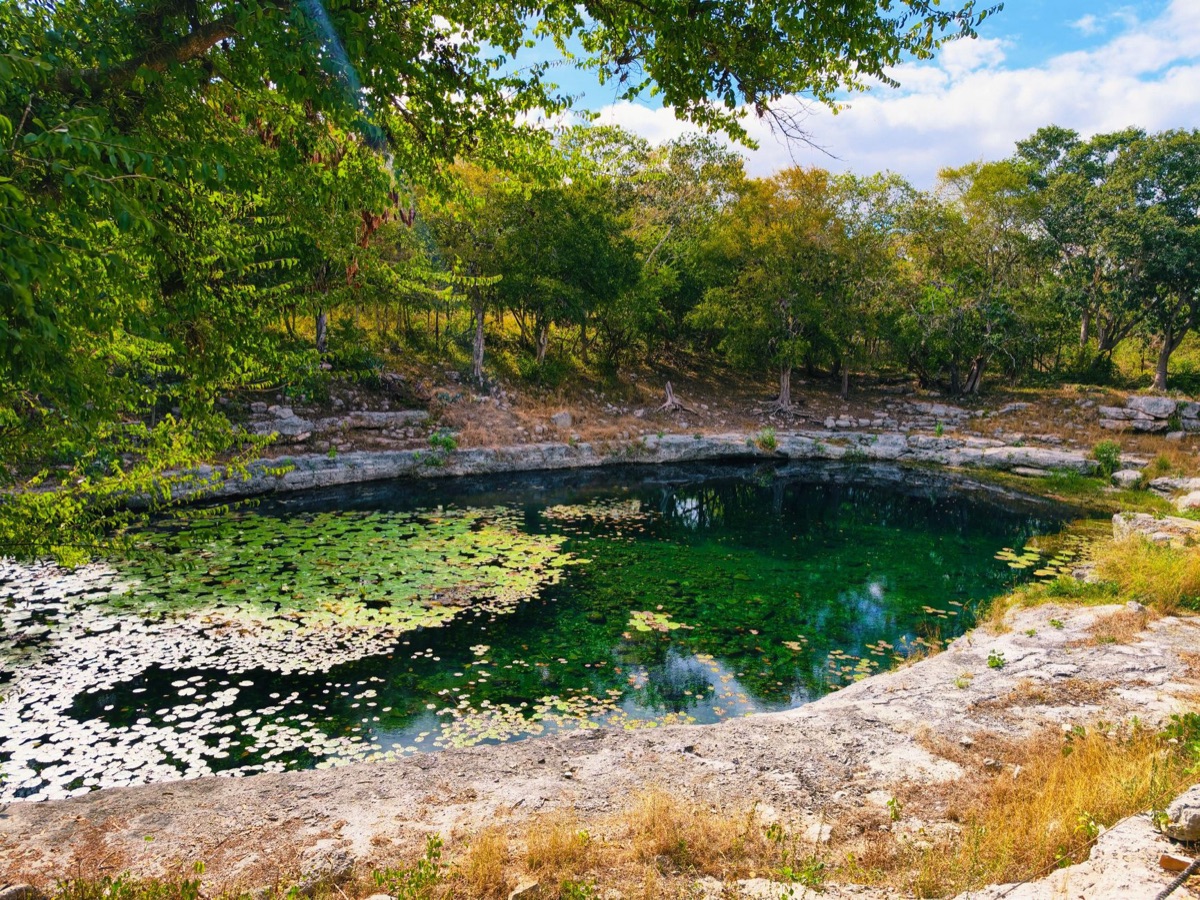
At dawn, the cool morning air brushes against your skin as you kneel beside the limestone rim to gaze into the dark, sacred depths.
The sun hits the water's surface at 9:00 AM, sending dancing light patterns across the limestone walls of a deep, quiet sinkhole. For the ancient Maya, this wasn't just a beautiful sight; it was a direct line to the gods.
Geologically, cenotes are natural sinkholes created by the collapse of limestone bedrock, revealing groundwater underneath. In the dry landscape of the Yucatán, these became the lifeblood of entire cities. Beyond survival, the Maya viewed these waters as the entrance to Xibalba, the underworld.
This spiritual weight is still felt in the atmosphere of the more secluded sites.
About 4 km (2.5 mi) southeast of the Chichen Itza archeological zone, you can find a network of sacred caves known as Balankanche (also known as Balamkaʼancheʼ in Yucatec Maya). These sites represent the profound intersection of geology and theology that defined the region.
While modern travelers see a swimming spot, the architecture of the earth itself tells a story of a civilization that lived in harmony with—and fear of—the water.
But how do you choose the right one for your own journey?
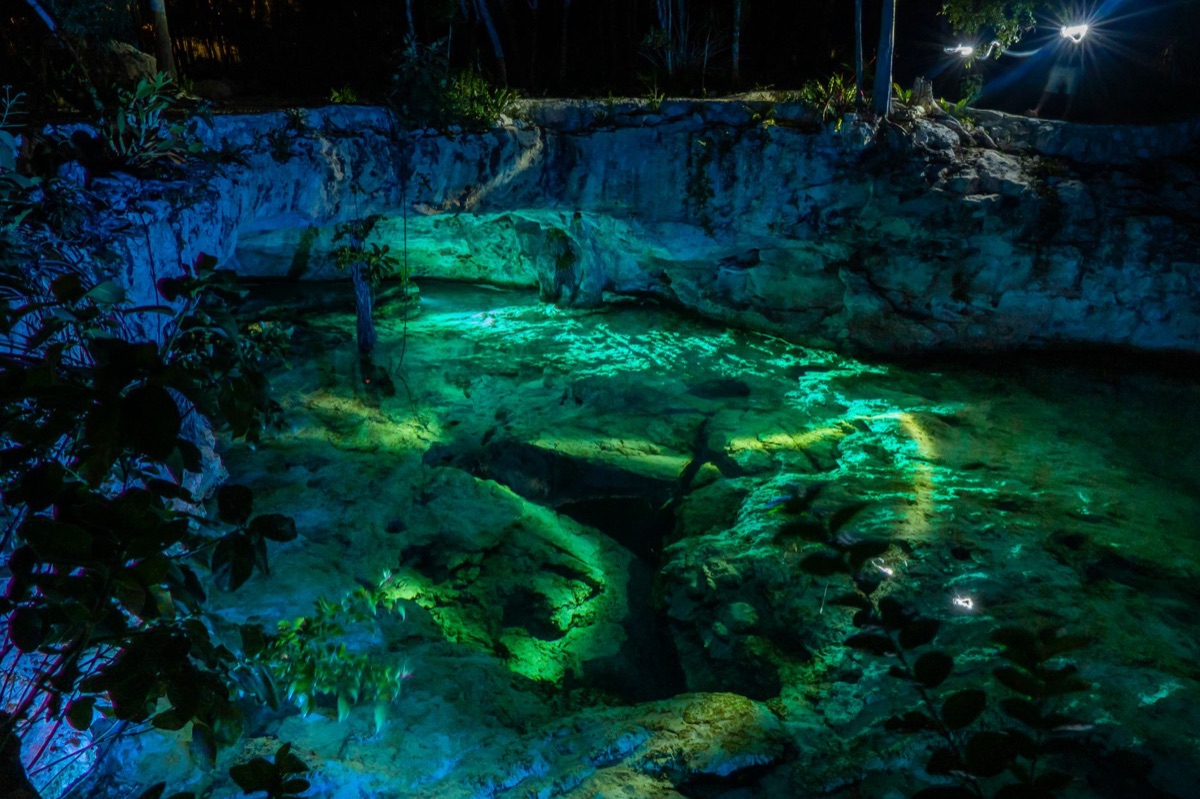
How do I choose the perfect cenote adventure? You stand at the edge of a limestone ledge, looking down into a turquoise abyss that seems to go on forever. The choice of where to jump depends entirely on whether you want to float in the sun or disappear into the shadows.
To plan your trip, you must first categorize the type of cenote you are visiting. Open-air cenotes are essentially natural swimming pools with wide openings to the sky, perfect for families and casual snorkelers.
Semi-enclosed cenotes offer a mix of light and shadow, often featuring stalactites that hang like stone icicles. For the truly adventurous, underground cave systems offer a completely different world.
When deciding, consider your physical comfort level. If you want to relax with a book and a mask, look for "cenote abertos" (open cenotes). If you are looking for a transformative experience involving freediving or scuba, look for "cenotes de caverna" (cavern cenotes).
Always check the accessibility of the site; some require steep climbs or jungle treks, while others are easily reached by car from Tulum or Playa del Carmen.
But what happens when the light begins to fade?
How can I explore cenotes safely and responsibly? The water is crystal clear, but as you swim deeper into a narrow passage, the light fades and the silence becomes heavy. In these moments, your gear and your guide are your only lifelines.
Safety in a cenote is vastly different from safety in the ocean. In the ocean, you deal with waves and tides; in a cenote, you deal with limited visibility, sudden temperature changes, and tight spaces. For those interested in technical diving, the scale of these systems is staggering.
Some documented flooded cave systems in the Yucatán have been explored for lengths of 376 km (234 mi) or more.
Because of this complexity, you must follow strict protocols. For casual snorkelers, stay in well-lit areas and never swim alone. For divers, always use a local guide who understands the specific layout of the cavern.
The transition from light to dark can cause disorientation, and the geological complexity of these systems means that "just swimming a little further" can lead to dangerous situations.
So, what can you actually do once you are in the water?
Beyond the Swim: Cenote Adventures (Snorkeling to Diving)
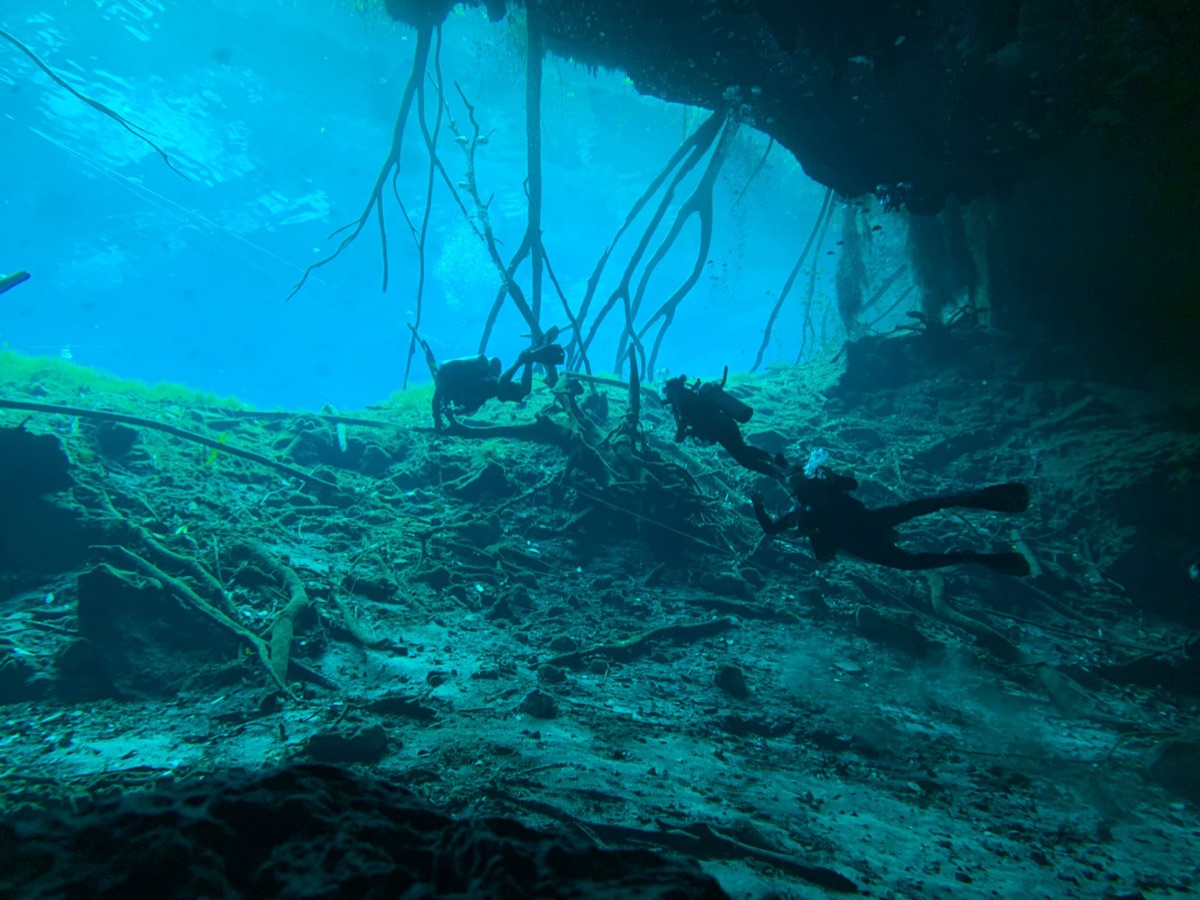
You pull your mask down, take a deep breath, and slip beneath the surface, where the world turns a brilliant, electric blue. The transition from the humid jungle air to the cool, still water is an instant sensory reset.
The activities available depend on your skill level. For most visitors, snorkeling is the primary way to experience the beauty of the underwater formations. You can drift through water that is often remarkably clear, observing how the light interacts with the limestone.
For those with more advanced skills, freediving—the art of breath-hold diving—is a popular way to explore the depths of semi-enclosed cenotes.
In more technical settings, scuba divers explore the vast, flooded networks that make this region a world-class destination. The clarity of the water often allows for incredible photography of stalactites and stalagmites.
However, remember that the water temperature can drop significantly as you go deeper, so a wetsuit is often necessary for longer dives.
Before you head out, you need a plan of attack.
The Ultimate Cenote Checklist
- Verify the Type: Confirm if you are visiting an open-air pool or a cavern system to ensure you have the right mindset and gear.
- Check the Entrance Fee: Most cenotes in 2026 require an entrance fee, typically ranging from 150 to 350 Mexican Pesos.
- Pack the Right Gear: Bring a mask and snorkel for surface swimming, but consider a wetsuit if you plan to dive deeper than 5 meters (16 feet).
- Prepare for Cash: While large parks in Tulum might take cards, smaller family-run spots in the jungle usually only take cash.
- Apply Reef-Safe Sunscreen: Ensure your sunscreen is biodegradable to protect the delicate limestone and water quality.
But how do you navigate the local scene without making mistakes?
Logistics & Etiquette: Visiting Like a Local
You walk through a small local shop, exchanging pesos for a bottle of water before heading toward a dirt path that leads to a hidden jungle opening. Treating these sites with respect is as important as having your sunscreen ready.
To visit like a local, arrive as early as possible. Most cenote operators open at 8:00 AM or 9:00 AM. Getting there early means you beat the heat and the large tour buses coming from Cancún. Most cenotes require an entrance fee, often paid in Mexican Pesos.
While many larger parks accept credit cards, smaller, family-run cenotes are almost exclusively cash-based.
Regarding etiquette, remember that many of these sites are still considered sacred by local communities. Avoid loud, disruptive behavior and always follow the "no touch" rule—the oils from your skin can damage the delicate limestone formations.
Additionally, many cenotes have strict rules against using chemical sunscreens to protect the water quality; opt for biodegradable, reef-safe alternatives instead.
| Feature | Open-Air Cenote | Cavern/Cave Cenote |
|---|---|---|
| Best For | Families, Sunbathing, Casual Swimming | Divers, Freedivers, Adventure Seekers |
| Light Levels | High (Direct Sunlight) | Low to Medium (Filtered Light) |
| Difficulty | Easy | Moderate to High |
| Key Gear | Swimsuit, Snorkel, Mask | Wetsuit, Fins, Dive Light, Guide |
When I first visited a remote cenote near Valladolid in 2025, I realized that the quietest moments were the most profound. I remember sitting on a mossy ledge at 7:30 AM, watching the first ray of light hit the water, and feeling like I had stepped into another dimension.
#
Comments 0