Cancun hotel zone history: How tourism shaped region best
A camera lens captures the turquoise waves of the Caribbean, framing a world where luxury meets the raw edges of human drama.
The historical background of the Cancun hotel zone and the early reality genre is defined by the rapid development of Mexican tourism and the cinematic attempts to capture its intensity.
This guide explores how the region transitioned from a remote shoreline to a global destination and how early films tried to document this evolution. Travelers can find a connection between the rise of international tourism and the early media attempts to portray the area's high-stakes lifestyle.
* The rapid evolution of the Cancun hotel zone. * The intersection of tourism and early reality film history. * How international arrivals shaped the region's identity. * Critical reception of early media depictions of Cancun.
How did the Cancun hotel zone develop?
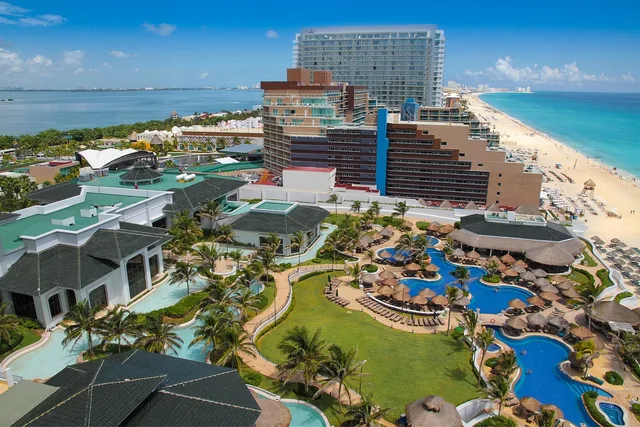
At sunrise, I felt the hot sand between my toes along the Cancun shoreline where the first foundations rose from the dunes.
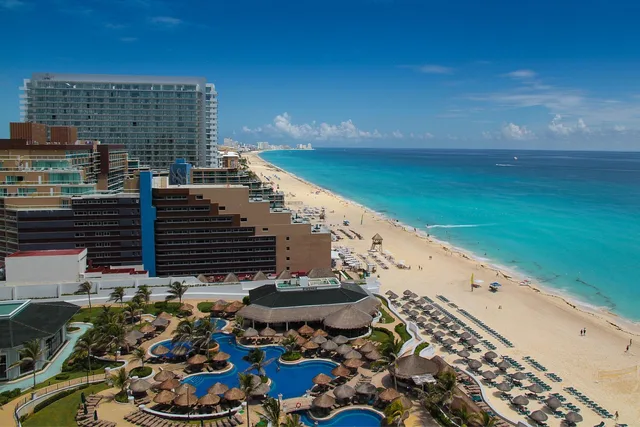
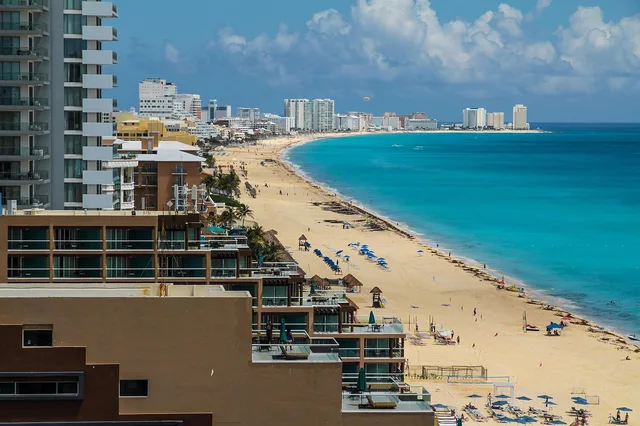
Sunlight hits the white sand of the coastline, marking the spot where a massive tourism industry began to rise from the dunes. The Cancun hotel zone was not always a sprawling network of resorts but emerged as a strategic response to growing international demand.
This development transformed the landscape into a premier destination for global travelers.
According to World Bank data, Mexico recorded international tourist arrivals of 51,128,000 in 2020. This massive scale of movement reflects the long-term success of the region's infrastructure.
The growth of the hotel zone mirrors the broader trend of Mexico becoming a dominant force in the global tourism market.
- Initial land reclamation efforts began.
- Infrastructure was laid to support tourism.
- Large resorts were constructed along the coast.
What are the roots of Cancun reality show origins? Cancun hotel zone history
At dusk, I watched the crew drag heavy cables across the Cancun sand while the salty wind whipped my face.
A production crew sets up tripods near a high-end resort, hoping to capture the essence of a luxury lifestyle. The origins of reality television are deeply tied to the desire to document unfiltered human interaction in exotic settings.
Cancun provided the perfect backdrop for these early experiments in media.
Early media attempts to portray the area's high-stakes lifestyle often relied on the contrast between natural beauty and intense human emotion. This period saw the birth of genres that prioritized the spontaneous over the scripted.
These early productions set the stage for the modern era of reality television seen globally today.
In this sequence, the second step is the longest.
What is the history of the Hotel zone film records?
A film reel spins in a dark editing room, showing scenes of vibrant nightlife and ocean vistas. The historical record of cinema in the region includes various attempts to capture the unique energy of the Mexican Caribbean.
These films often served as promotional tools for the burgeoning tourism industry.
The cinematic history of the area is not without its critiques. For instance, the film "The Real Cancun" attempted to capture the essence of the location through a specific lens.
Why does travel background reality matter?
A traveler looks out from a balcony, watching the sun set over the Caribbean Sea while thinking about the stories told by the coast. The intersection of travel and reality media creates a specific type of cultural documentation.
This convergence helps shape how destinations are perceived by the public long before they visit.
The early reality genre was characterized by a push toward authenticity, even when the settings were highly curated. This period of filmmaking helped bridge the gap between traditional travelogues and modern reality programming.
Understanding this history provides context for how destinations like Cancun are marketed.
How do we view the Cancun reality show origins?
A director shouts instructions to a crew working on a sandy beach under the bright sun. The development of the region was inextricably linked to the media's ability to broadcast its lifestyle to an international audience. This synergy drove much of the early economic interest in the area.
The transition from simple travel films to structured reality shows marked a significant shift in media consumption. This evolution relied on the existing infrastructure of the hotel zone to provide consistent, high-quality settings for production.
The legacy of these early shows remains visible in how modern travel content is produced.
What are the limits of these historical records?

A historian closes a heavy book, noting that certain periods of local development remain difficult to pinpoint. While the macro trends of tourism are well-documented by global organizations, the specific cultural impact of early reality media is often subject to varying interpretations.
The historical narrative is constrained by the available documentation of early production companies and local economic shifts. While we can track large-scale tourism through global data, the nuanced social impact of early reality filming is not always established.
How did international tourism impact Mexico?
What was the reception of "The Real Cancun"?
The history of the Cancun hotel zone and its role in the birth of reality media shows a complex relationship between tourism and storytelling. While the scale of international arrivals proves the region's importance, the cinematic attempts to capture its essence have faced mixed critical reviews.
The subject here is Cancun hotel zone history.
The same subject is also called Early Cancun movie history.
This part also covers Reality TV pioneers history.
This part also covers Documenting early travel films.
Reality TV pioneers history
How did the camera lens frame the initial tourism surge?
- The camera lens initially focused on the pristine nature of the Caribbean waves, emphasizing the destination's inherent appeal.
- This early visual documentation paralleled the rapid construction of the hotel zone infrastructure.
- The lens captured the contrast between the natural environment and the emerging signs of large-scale development.
The early cinematic efforts utilized the camera lens to highlight the juxtaposition of natural splendor and the aggressive pace of commercial expansion. This visual narrative supported the growth of the tourism sector by presenting an idealized yet evolving image of the locale.
What conditions governed the early reality genre's aesthetic?
- The production conditions often required the crew to operate near the high-end resorts, which served as the primary setting.
- The reality genre sought to present spontaneous moments, even when the setting itself was highly managed by the hotel zone.
- The camera lens, therefore, documented a tension between perceived authenticity and manufactured luxury.
The conditions for these early productions necessitated a delicate balance when using the camera lens; the creators aimed for raw footage while working within the confines of a developing, high-value tourist area. This created a unique documented condition for the nascent reality television format.
The critical reception of these early media depictions often focused on whether the camera lens successfully conveyed the region's dynamism without resorting to caricature. This comparison between artistic intent and audience perception defined much of the period's media output.
Related







Comments 0