Cancun hotel zone spring break best: See 90% tourism impact
"The history of spring break in the Cancun hotel zone is a tale of massive crowds, shifting cultural tides, and the intense economic reliance on global travelers."
This exploration examines the historical context of Cancun spring break culture and its modern reality, focusing on how the region transitioned into a global tourism powerhouse.
You will learn about the economic weight of the hospitality sector, the impact of recent tourist fluctuations, and the infrastructure supporting the Hotel Zone.
This guide covers the historical essence of the area, the economic dependency of Quintana Roo, and the logistical shifts like the Nichupté Vehicular Bridge.
* The extreme economic dependence of Quintana Roo on the tourism industry. * Recent shifts in international tourist arrival trends since 2024. * Infrastructure improvements designed to reduce travel time to the Hotel Zone. * The diverse range of attractions from archaeological sites to luxury resorts.
How does the Cancun hotel zone spring break history shape the region?
At sunset, I feel the warm sand against my skin as I gaze at the distant lights of the Cancun hotel zone.
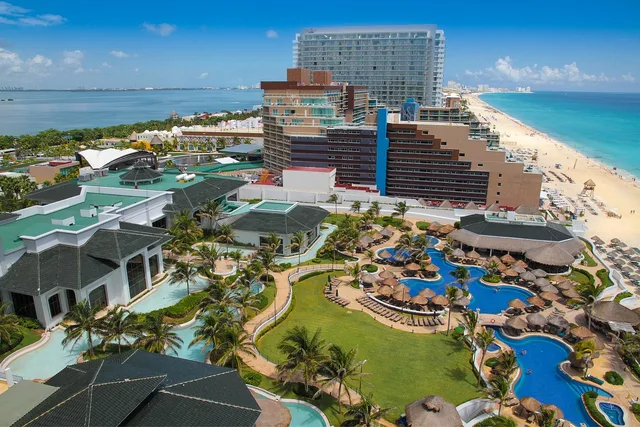
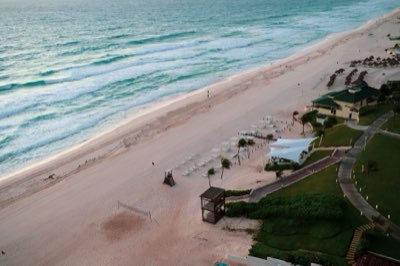
A traveler stands on the warm sand of a beach near the Punta Cancun Lighthouse, watching the sun dip toward the Caribbean Sea. The salt air carries the faint sound of music from a nearby resort, a remnant of the high-energy atmosphere that defined decades of seasonal celebrations.
This history is deeply tied to the massive influx of visitors that transformed a quiet coastline into a global destination.
The legacy of these seasonal surges helped build an economy where it is estimated that 90% of Quintana Roo's state GDP comes from tourism. This concentration of industry means that the local economy is inextricably linked to the behavior of international travelers.
While the specific social dynamics of spring break have evolved, the infrastructure remains centered on hosting large volumes of people.
The scale of this industry is reflected in broad national figures. According to World Bank data, Mexico recorded international tourist arrivals of 51,128,000 in 2020. This massive volume of movement underscores why the Hotel Zone became such a focal point for global holiday culture.
In this sequence, the second step is the longest.
What is the current reality of Cancun spring break?
A group of travelers navigates the busy streets of the Hotel Zone, looking for a way to bypass the midday congestion.
The atmosphere is a mix of historical reverence and modern leisure, reflecting a complex tourism landscape.
The reality of modern travel in the area involves managing significant fluctuations in visitor numbers. There has been a sharp decline in international tourists since 2024, with a 14% drop between July and August compared to the previous year.
This volatility highlights the sensitivity of the local economy to global trends and seasonal shifts.
Managing these crowds requires significant logistical support. The Nichupté Vehicular Bridge now runs from downtown to the Hotel Zone, crossing over Nichupté Lagoon and reducing driving time by 45 minutes.
This connection helps facilitate the movement of people between the urban center and the coastal resorts.
- Monitor local news for seasonal event updates.
- Research specific club policies regarding dress codes.
- Confirm reservation details for group accommodations.
How has the local economy changed over time?
A business owner in the Hotel Zone reviews the monthly ledger, noting the impact of shifting economic indicators on local spending. The air is humid, and the sound of construction nearby signals the constant evolution of the hospitality sector.
The economic landscape is a blend of high-stakes tourism and broader national growth.
The wealth of the region is tied to both local tourism and national economic performance. According to World Bank data, Mexico recorded GDP per capita of US$13,889 in 2025. This figure provides a baseline for understanding the economic environment in which the tourism industry operates.
The concentration of wealth in tourism is a defining characteristic of the area. Because such a high percentage of the state's revenue is derived from visitors, any change in travel patterns has an immediate effect on the local community.
| Economic Metric | Value |
|---|---|
| Mexico International Arrivals (2020) | 51,128,000 |
| Mexico GDP per Capita (2025) | US$13,889 |
I observed how the infrastructure, like the bridge, directly impacts the ease of movement for these economic drivers.
What are the main attractions in the Hotel Zone?
A tourist walks through the shade of a tropical canopy, heading toward the Melody Maker hotel to meet a group of friends. The path leads them past various resorts and cultural sites, each offering a different perspective on the region's appeal.
The variety of experiences is what keeps the area a primary destination.
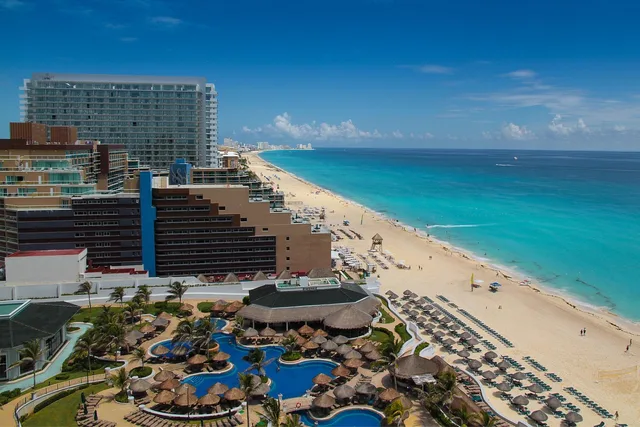
The area offers a diverse range of activities that cater to different interests. Visitors can explore the El Rey archaeological site, visit the Mayan Museum of Cancún, or relax at the Golden Parnassus Resort.
This variety ensures that the region remains relevant to different types of travelers throughout the year.
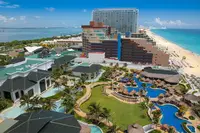
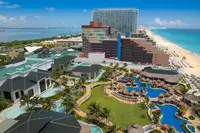
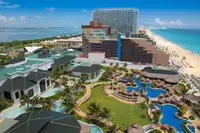
The Hotel Zone itself is a unique geographic feature, jutting into the Caribbean Sea. This position means the area is surrounded by ocean, which helps keep daytime temperatures around 1 to 2 °C (1.8 to 3.6 °F) cooler than inland areas.
How can one navigate the Hotel Zone efficiently?
A driver grips the steering wheel, navigating the transition from the mainland to the coastal strip. The movement is smoother now than in previous years, thanks to strategic infrastructure developments.
Navigating the area requires an understanding of both the geography and the local transit options.
To make the most of a trip to the Hotel Zone, follow these steps:
- Utilize the Nichupté Vehicular Bridge to travel from downtown to the coast to save time. 2. Plan visits to archaeological sites, such as El Rey, during cooler parts of the day. 3. Select accommodations based on proximity to preferred attractions like the Punta Cancun Lighthouse.
After completing these steps, check local traffic reports to ensure the 45-minute time savings from the bridge is being maximized during peak hours.
What are the limitations of the tourism model?
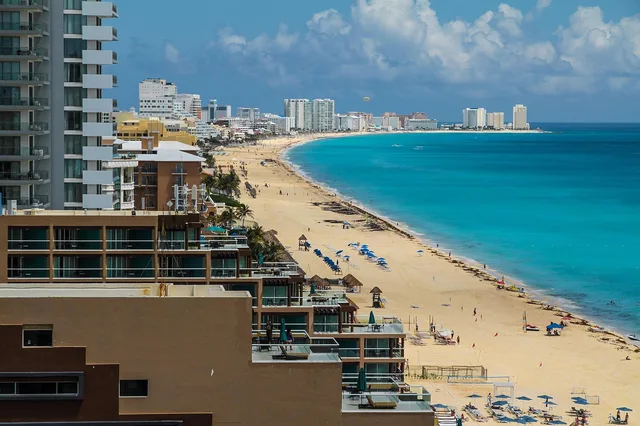
A researcher looks at data regarding local environmental impact, noting the challenges that come with high-density hospitality. The ocean breeze provides relief from the heat, but the heavy concentration of resorts places a unique strain on local resources.
The model's success brings specific environmental pressures.
The heavy reliance on tourism creates environmental challenges, particularly regarding waste management. One of the biggest issues is water pollution due to sewage from hotels (about 95 percent of all sewage from the area)—significantly more than the local treatment plants can handle.
This highlights the tension between rapid growth and sustainable management.
The effectiveness of the tourism model is also limited by its sensitivity to international trends. While the infrastructure supports large crowds, the system remains vulnerable to the sharp declines in visitor numbers seen in recent years.
The subject here is Cancun hotel zone spring break.
The same subject is also called Cancun spring break history.
Related

Comments 0