Cenote Day of Dead legend: Guide to underworld beliefs
A shadow falls over the limestone edge as the sun dips low, casting long fingers of light into the deep, turquoise waters of a Yucatan sinkhole.
The relationship between the cenote and the spirit world is a cornerstone of regional identity, serving as both a physical source of life and a symbolic gateway to the afterlife.
This connection ties geological features to ancient rituals, specifically regarding the Cenote Day of Dead legend and its cultural weight.
Understanding this history requires looking at how these natural wonders intersect with traditional festivities and the deep-seated beliefs of the people who live beside them.
Key takeaways: * The historical significance of the Days of the Dead was certified by UNESCO in 2003. * Yucatan cenotes are massive flooded cave systems that can extend for hundreds of kilometers. * These water features have long been viewed through a lens of spiritual importance.
What makes the Cenote Day of Dead legend so significant?
As dusk settles over the limestone ledge, a traveler leans forward to gaze into the dark cenote, feeling a sudden chill against their skin.
A traveler stands at the edge of a limestone cavern, watching the ripples settle on the still surface of the water. The Cenote Day of Dead legend often centers on the idea of these sinkholes acting as portals between the living and the ancestors.
For many, these waters are not just geological features but sacred spaces where the veil between worlds is thin.
The cultural importance of these traditions is well-documented. According to Wikipedia: Tourism in Mexico, the UNESCO Intangible Cultural Heritage program has certified the cultural importance of Days of the Dead (2003) among other traditions.
This certification recognizes the profound impact these rituals have on the identity of the region.
The depth of these water systems adds a layer of mystery to the lore. The Yucatan cenotes attract cavern and cave divers who have documented extensive flooded cave systems, some of which have been explored for lengths of 376 km (234 mi) or more.
This vastness creates a sense of an endless underworld, fueling the sacred sinkhole lore that persists in local storytelling.
The legend serves as a bridge between the physical world and the spiritual realm, turning a natural feature into a sacred gateway.
How does the water influence the afterlife myth?
At midnight, a hand reaches down to touch the cold surface of the cenote, sending ripples through the dark water that mirror the shifting spirits below.
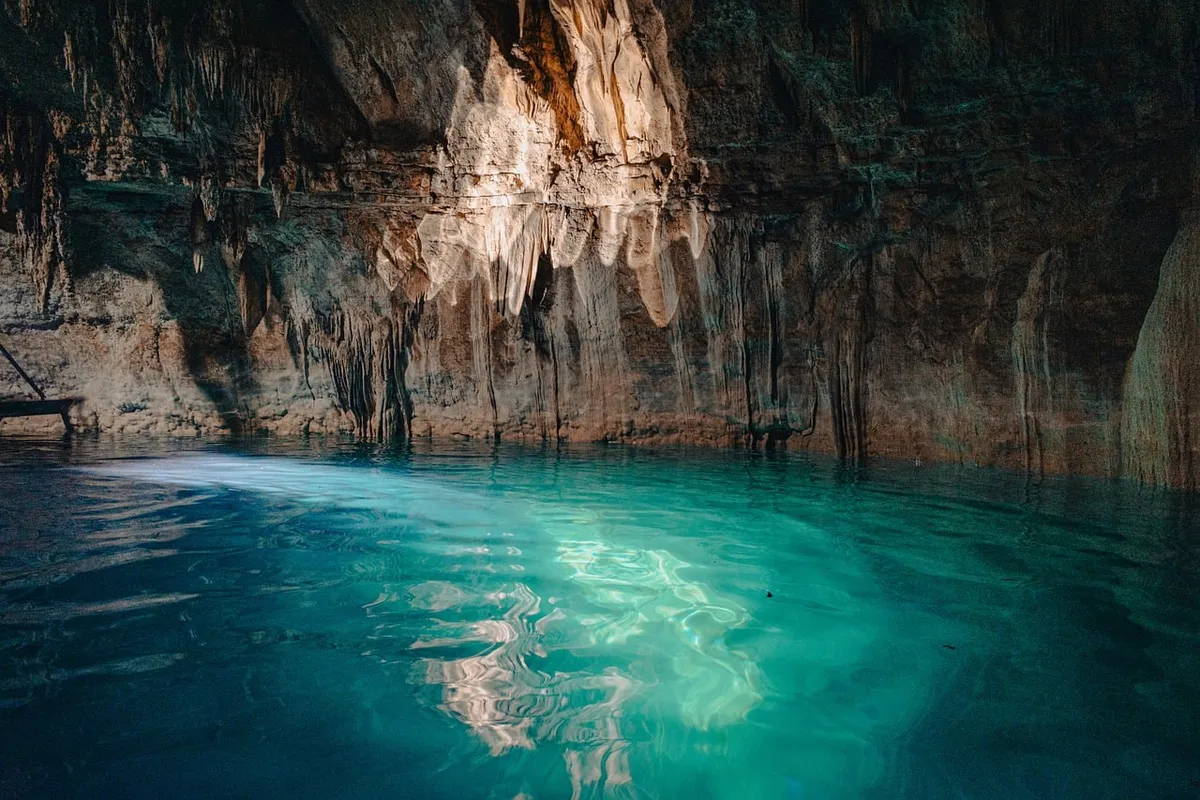
The cool touch of water against skin serves as a reminder of the life-giving power held within the earth. A Cenote afterlife myth often suggests that the spirits of the departed reside in the dark, cool depths of the flooded caves.
This connection between the water and the journey of the soul provides a unique perspective on the transition from life to death.
The physical reality of the landscape shapes the spiritual narrative. The Day of Dead waters are seen as a medium through which memories and spirits can flow. This belief transforms a simple natural feature into a ritualistic space used for remembrance.
The vastness of the underground networks reinforces these beliefs. Cave pool belief often intersects with the physical reality of the flooded systems found in the Yucatan. These natural structures provide a tangible setting for the stories of the past.
The stillness of the water represents the threshold between life and death, acting as a mirror for the souls passing through.
How did the environment shape these rituals?
A hand brushes against a damp limestone wall as the humidity of the jungle hangs heavy in the air. The environment of the Yucatan Peninsula has always dictated the way people interact with their surroundings, including the ritualistic use of water.
The specific conditions of the region have influenced how these traditions are practiced and passed down.
The climate and geography are central to the experience of the region. The Yucatan cenotes are part of a landscape where water is both a necessity and a mystery. The unique geological features of cenotes make them the perfect setting for these enduring legends.

The intersection of nature and culture is evident in every ritual. The geological features of cenotes provide the backdrop for a history of human interaction with the underworld. These elements work together to sustain the cultural fabric of the region.
The unique geological structure of the cenotes provided a natural cathedral that dictated the placement and solemnity of the ceremonies.
What is the connection to the Aztec underworld?
The dim light of a cave reflects off the water, creating a shimmering path toward the dark ceiling above. Many scholars and enthusiasts look for the Aztec underworld connection when examining regional myths.
The belief that these sinkholes lead to a different plane of existence mirrors ancient views of the underworld.
The geological reality of the caves supports the mythic scale of the stories. Exploring the depths of these systems can feel like entering a different world entirely. The rituals of the underworld are often reflected in the way these spaces are treated with reverence.
The depth of the water and the darkness of the caves serve as physical manifestations of the transition between life and death. This environment provides a powerful sensory experience for those engaging with the legends.
The cenotes were viewed as direct portals to Xibalba, the underworld, where the water served as the primary medium for ancestral communication.
How can one explore these sites safely?
A diver checks their oxygen levels before descending into the crystal-clear blue of a deep pool. Exploring these sites requires respect for both the history and the physical dangers of the environment. Because these systems are so complex, safety is a primary concern for anyone visiting.
According to a 2018 survey by the Medical Tourism Association, Mexico is among the top medical destinations for Americans. According to World Bank data, Mexico recorded international tourist arrivals of 51,128,000 in 2020.
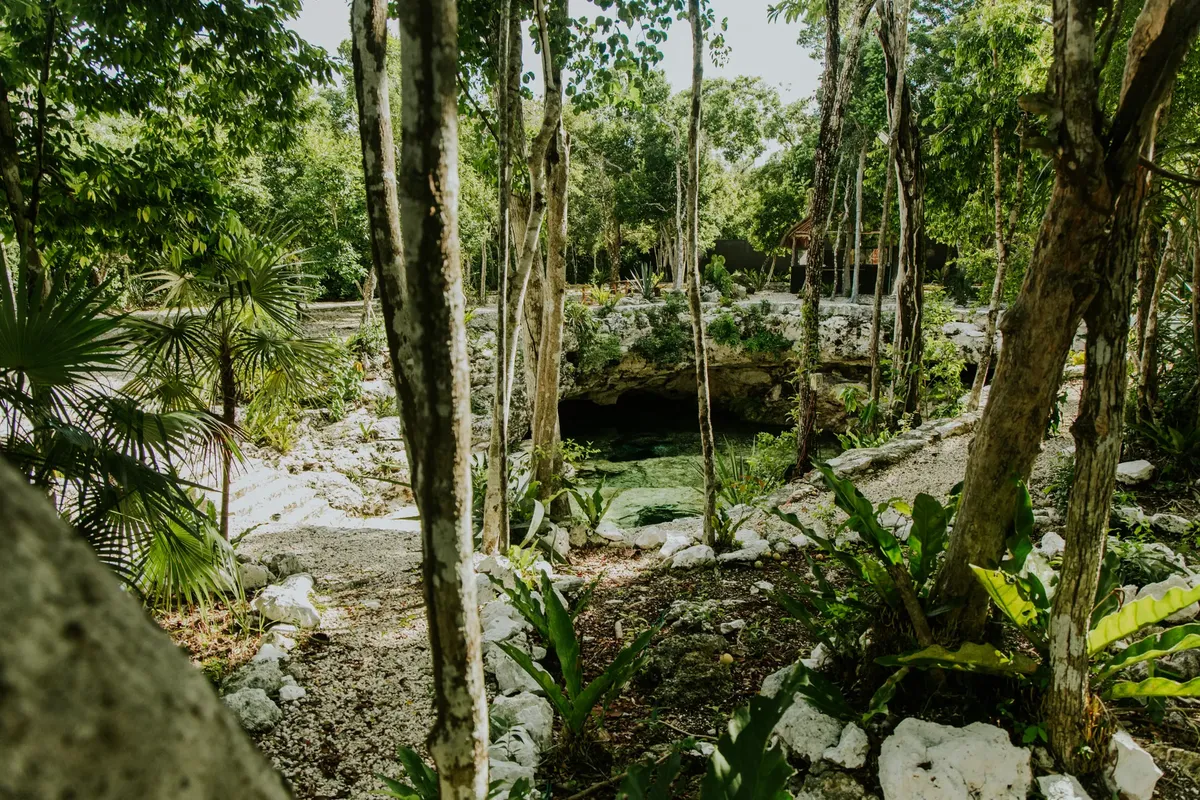
- Research the specific depth and current of the site before any activity. 2. Respect the local cultural significance and avoid disturbing ritual sites. 3. Always travel with experienced guides who understand the local terrain.
I remember feeling the weight of the quiet atmosphere while standing near the water's edge, realizing how much history is held in the stillness. These steps ensure that the experience remains focused on appreciation rather than risk.
A limitation of studying these legends is that they are often tied to specific local traditions that may not be fully documented in modern geological surveys.
- Research the local regulations regarding sacred sites.
- Hire a certified guide to navigate the terrain.
- Respect the physical boundaries of the water's edge.
- In this sequence, the second step is the longest.
Related

Comments 0