Cancún Hotel Zone: Luxury Tourism's 50-Year Evolution
"The transformation of a single resort often mirrors the transformation of an entire coastline."
The Cancún Hotel Zone has evolved from a quiet stretch of sand into a global powerhouse of luxury tourism. Understanding how properties like Melody Maker Cancún grew from modest beginnings to massive all-inclusive landmarks helps travelers grasp the true scale of the Mexican Caribbean.
* The evolution of the resort reflects the broader growth of the Cancún Hotel Zone itself. * Historical context explains why the layout and amenities are designed the way they are today. * Physical expansion demonstrates how luxury travel demands have scaled over decades.
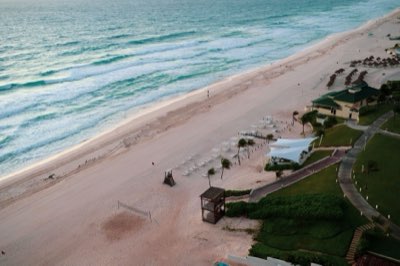
What is the Cancún Hotel Zone and why does it matter? The sun hits the turquoise water of the Caribbean Sea, reflecting off the white sand that stretches toward the horizon. In the early days of development, this strip of land was little more than a dream of connectivity between the lagoon and the ocean.
The Hotel Zone serves as the epicenter of mass luxury tourism in Quintana Roo, acting as a narrow ribbon of development that separates the turquoise Caribbean from the calmer Nichupté Lagoon.
This unique geography allowed for a dual-sided tourism model: ocean-facing luxury and lagoon-side tranquility. The infrastructure required to make this possible was massive, turning a remote coastline into a global destination.
To facilitate this growth, connectivity became a priority. For example, the Nichupté Vehicular Bridge was designed to minimize traffic by running from downtown to the Hotel Zone, crossing over the lagoon and reducing driving time by 45 minutes.
This kind of infrastructure was essential to support the rapid influx of visitors to resorts within the zone.
The climate also plays a vital role in why this zone became so successful. The Hotel Zone juts into the Caribbean Sea and is therefore surrounded by ocean, keeping daytime temperatures around 1 to 2 °C (1.8 to 3.6 °F) cooler than inland areas.
This natural moderation makes the sprawling layouts of large resorts much more comfortable for guests.

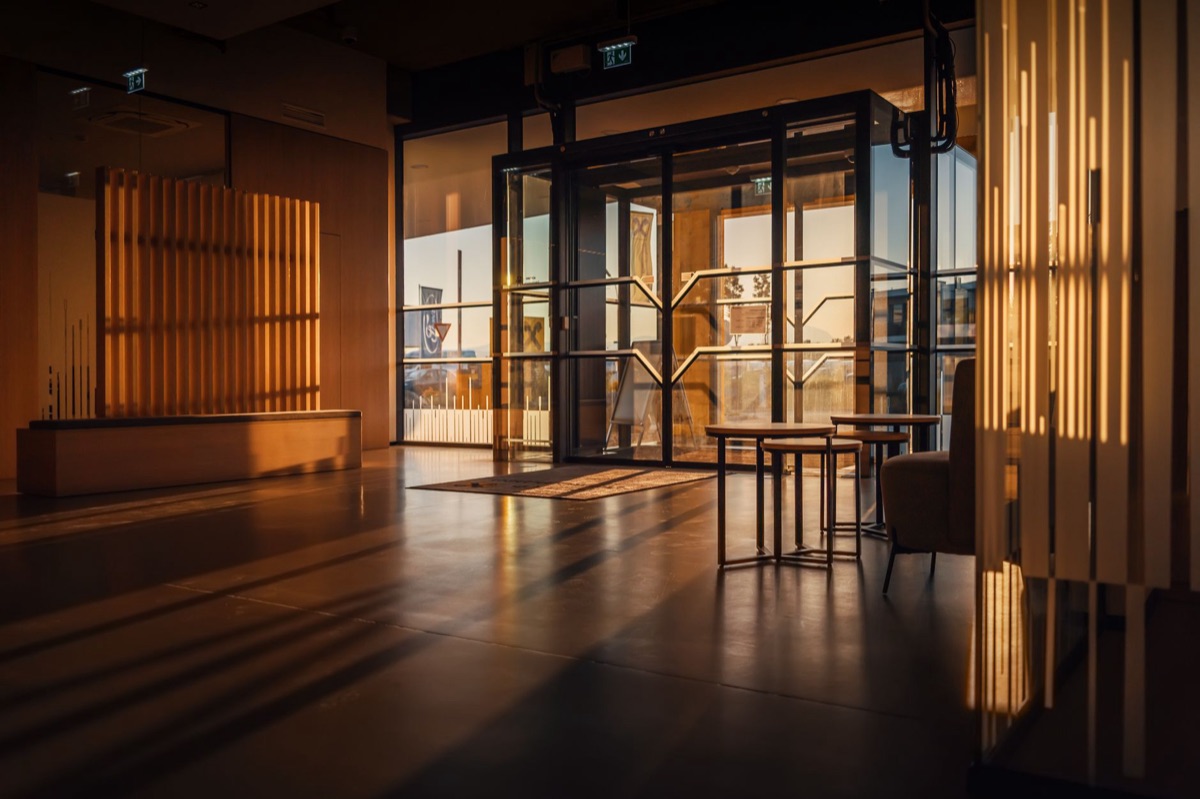
How did Melody Maker Cancún begin and what was it like? In the quiet morning light, a guest runs a hand over the cool, polished stone of the lobby while the scent of sea salt fills the air.
Walking through a lobby that smells of sea salt and polished stone, you realize that the layout of a modern resort often hides layers of history. The original footprint of the property was much smaller, designed for a different era of travel.
In its earliest stages, the property focused on a more intimate guest experience, catering to a growing market of international travelers looking for a reliable foothold in the Mexican Caribbean.
During this period, the region saw a massive surge in interest; for context, according to World Bank data, Mexico recorded international tourist arrivals of 51,128,000 in 2020, showcasing the massive scale of the industry this area was built to serve.
The economic backdrop of the region also shaped the resort's identity. According to World Bank data, Mexico recorded a GDP per capita of US$13,889 in 2025, reflecting the growing economic complexity of the nation that supports such large-scale tourism ventures.
The original branding of the property was designed to capture a specific demographic of travelers seeking a blend of social energy and beachfront access.
As ownership and strategic goals shifted, the transition toward the "Melody Maker" identity began to take shape. This rebranding was not just about a name; it was a response to the changing way people traveled—moving from simple lodging to comprehensive, all-inclusive experiences.
But how did a single building transform into a massive empire of entertainment?
Milestones of expansion: From concept to grand scale
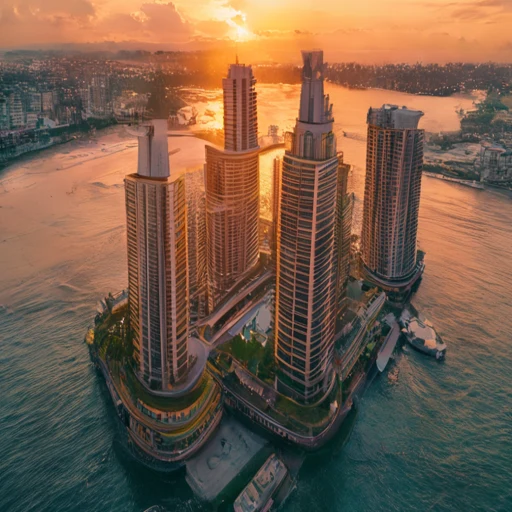
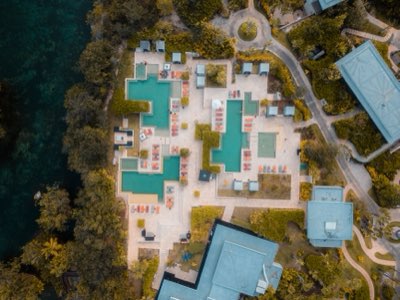
A construction crane towers over a turquoise pool, a reminder that the luxury we see today was built in stages. What started as a single building or a small cluster of wings has grown into a sprawling complex designed to handle thousands of guests.
The expansion of the property happened in distinct phases. Initially, the focus was on establishing a solid foundation of rooms and basic amenities.
As the popularity of the Hotel Zone grew, the resort underwent significant physical expansions, including the addition of new wings, larger pool complexes, and specialized dining facilities.
These expansions were driven by the transition from traditional hotel stays to the all-inclusive model. As travelers began to demand more—more food options, more entertainment, and more room variety—the resort had to scale up to meet that demand.
The transition from a boutique-style footprint to a large-scale operation allowed the property to remain competitive as newer, even larger resorts entered the market.
By expanding horizontally and vertically, the resort managed to maximize its valuable beachfront real estate while creating internal "neighborhoods" within the property. This allowed it to maintain a sense of organized luxury despite its massive size.
However, scaling up brings its own set of operational challenges.
Melody Maker in the modern context: Facing the present day
The sound of a late-afternoon cocktail shaker and the distant rhythm of music defines the current atmosphere of the resort. It is a place designed for constant activity, balancing the energy of a social hub with the relaxation of a tropical getaway.
Today, the resort operates primarily on a high-energy, all-inclusive model. It focuses on providing a seamless experience where guests can access food, drink, and entertainment without leaving the property.
This model is essential for staying relevant in a competitive market where newer luxury competitors are constantly opening in the Hotel Zone.
To stay competitive, the resort integrates elements of local culture into its modern setting. While it is a global-style luxury product, the use of local textures, colors, and flavors ensures that the "Yucatán" identity is not lost in the modernization.
The climate remains a constant factor in its operational success. Because the sea temperature is always very warm—with lows of 79 °F (26 °C) in winter and highs of 84 °F (29 °C) in summer due to the Yucatán current—the resort's water-based amenities remain a year-round draw.
This consistent warmth allows the resort to maintain a high occupancy rate regardless of the season.
But what does this look like for the person actually staying there?
Comparing eras: A guest perspective on the transformation
A traveler sitting on a balcony today sees a much different world than a traveler sitting on that same balcony thirty years ago. The scale of luxury has shifted from "simple and clean" to "massive and immersive."
In the early years, the guest experience was much more focused on the basics of hospitality. Service was personal, but the amenities were limited. Today, the experience is about variety and abundance.
The transition from a traditional hotel to a massive all-inclusive complex changed the very nature of the stay, turning it from a place to sleep into a destination in itself.
The consistency of the environment has been the one constant. The reliable warmth of the Caribbean waters has always be the anchor of the guest experience.
While the buildings have grown and the names have changed, the fundamental appeal of the location—the perfect blend of sun, sea, and service—remains the core of the brand.
| Feature | Early Era Identity | Modern Era Identity |
|---|---|---|
| Primary Focus | Individual Room Comfort | All-Inclusive Lifestyle |
| Scale | Boutique/Small Scale | Large-Scale/Mass Luxury |
| Guest Demographic | Traditional Travelers | Social & Family Groups |
| Amenly Type | Basic Essentials | Immersive Entertainment |
How to navigate a large-scale resort transition
If you are visiting a property that has undergone significant expansion, follow these steps to make the most of the changing environment:
- Identify your "neighborhood": Large resorts often have different wings with varying vibes. Find the section that matches your energy level.
- Map the dining zones: In expanded resorts, dining is often spread out. Check the locations of specialty restaurants versus buffet areas to minimize walking.
- Check the amenity schedule: High-energy all-inclusive models rely on scheduled entertainment. Check the daily board to see when pool parties or shows occur.
- Verify the connectivity: In large complexes, use the internal shuttles or walkways to move between the lagoon side and the ocean side efficiently.
Limitations and considerations
It is important to note that the transition from a boutique to a massive scale is not without trade-offs. In a large-scale resort, you may lose the quiet, personalized intimacy of a smaller hotel.
The sheer volume of guests can sometimes lead to longer wait times at restaurants or crowded pool areas during peak hours. This model is best suited for travelers who prioritize variety and social energy over complete seclusion.
#



Comments 0