Sargassum Bloom: Expert Swim Guide for Cancun Vacationers
"The ocean doesn't care about your vacation schedule, but your itinerary can care about the ocean."
If you arrive at a luxury resort in the Hotel Zone only to find a thick, brown carpet of seaweed where the turquoise water should be, you might feel like your vacation is ruined. However, a heavy bloom doesn't have to mean a wasted trip if you know how to pivot your plans.
Key Takeaways * Understanding the seasonal lifecycle of Sargassum is crucial for setting realistic expectations. * Local wisdom suggests matching your water activities to the current bloom severity. * This guide compares swimming versus alternative excursions to match your specific travel style.
* Pro-tip: Timing your visit relative to the bloom cycle and choosing specific locations can bypass the seaweed entirely.
When is Sargassum Present, and Why Should I Care?
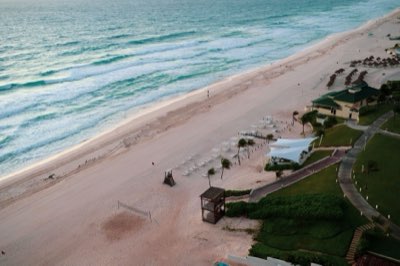
The sun beats down on the white sands of Playa Delfines at 10:30 AM, but instead of the usual crystal-clear waves, a thick, tangled mat of brown seaweed stretches toward the horizon. You stand on the shore, towel in hand, wondering if the water is even swimmable today.
Sargassum is a natural seaweed that floats in the Atlantic, but in recent years, massive blooms have frequently washed up on the shores of the Mexican Caribbean. These blooms typically follow seasonal patterns, often peaking in late spring and throughout the summer months.
While it is a natural occurrence, the sheer volume can change the visual beauty of the beach and make traditional swimming difficult.
A minor presence might just look like a few patches of seaweed drifting in the tide, which is easily managed by local cleaning crews. A heavy bloom, however, can coat the shoreline entirely, creating a logistical challenge for resorts and a sensory challenge for swimmers.
Because the region attracts millions of visitors—with Mexico recording 51,128,000 international tourist arrivals in 2020—managing these environmental shifts is a vital part of the local tourism industry.
To stay ahead of the situation, check local beach cams or join local Facebook groups for Cancun or Tulum before you head out each morning. The seaweed often moves with the wind and tides, meaning a beach that is "brown" in the morning might be clear by the afternoon.
But knowing when it arrives is only half the battle; you also have to decide what to do once you hit the sand.
Should I do the Sargassum swim or an alternative? You stand at the edge of a pier at 2:00 PM, looking at the water. To your left, a group is struggling to wade through thick seaweed; to you, the smell of salt and decaying organic matter is heavy in the air. To your right, a boat is preparing to head out to the deep blue.
Choosing the right activity depends entirely on how much seaweed is currently hitting the coast. If you try to swim in a heavy bloom, you may find yourself tangled or frustrated by the lack of visibility.
| Bloom Level | Typical Visuals | Recommended Activity | Physical Experience |
|---|---|---|---|
| High Presence | Thick mats covering the shore | Deep-sea excursions or boat tours | High effort to reach water; low visibility |
| Moderate Presence | Scattered patches of seaweed | Guided snorkeling or pier-based activities | Moderate effort; manageable visibility |
| Low/No Presence | Clear, turquoise water | Beach swimming and snorkeling | Easy access; perfect visibility |
Option A: Full Bloom/High Presence When the seaweed is thick on the beach, traditional swimming is often unpleasant. In these cases, your best bet is to get away from the shore.
Deep-sea excursions, such as fishing trips or catamaran tours that head far offshore, are excellent because the water remains clear once you leave the coastal shelf.
Option B: Moderate Presence If there are just patches of seaweed, you can still enjoy the water with a bit of strategy. Guided snorkeling tours often take you to specific reef spots that might be clearer than the shoreline.
You may need to wade through some seaweed to get to the boat, but the reward is often still there.
Option C: Low/No Presence (Ideal) When the water is clear, the classic Cancun experience is back. This is the time for beach volleyball, swimming, and snorkeling directly from the shore. This is also the perfect time to visit local cenotes to complement your ocean time.
But how do you decide which path is right for your specific group?
Which swim experience is best for my group? A group of friends stands on a balcony in Puerto Juarez at sunrise, debating whether to head to a beach club or book a private boat. Some want to lounge, while others want to dive.
Deciding on an activity requires looking at your group's tolerance for "messy" water and their physical energy levels.
* For First-Timers/Low Tolerance: If you aren't a fan of organic matter in your hair or eyes, avoid the shoreline. Instead, look for activities that involve boats or pier-based access. Some luxury resorts have much better water filtration or better-positioned beaches that stay clearer longer. * For Experienced Adventurers/High Tolerance: If you don't mind a bit of seaweed, deep-water diving is a fantastic way to bypass the bloom. Scuba diving often takes you deep enough that the surface seaweed becomes a non-issue, allowing you to focus on the vibrant marine life below. * For Families/Couples: For those traveling with kids or looking for a romantic setting, look for "alternative" water experiences. This might mean visiting a cenote or taking a ferry to a nearby island where the water might be clearer.
Decision Framework for Water Activities
- Assess the Beach: Is it a "walk-in" beach or a pier-based beach? If it's a walk-in beach with heavy seaweed, skip it.
- Check the Wind: Wind direction often dictates where the seaweed accumulates.
- Evaluate the Goal: Is your goal "relaxation" or "adventure"? Relaxation is hard in a bloom; adventure is often easier.
When the seaweed is too thick to even stand on the sand, you need a backup plan that doesn't involve the coastline.
Beyond the Swim: Nearby Alternatives When the Sea is Crowded
The sun is setting over the Yucatan Peninsula, and the beach is covered in seaweed. Instead of staying in the hotel room, you decide to head inland toward the jungle.
When the ocean is less than ideal, the Yucatan Peninsula offers incredible alternatives that are completely unaffected by Sargassum.
* Cenote Exploration: The limestone sinkholes, or cenotes, are the ultimate escape. Because they are freshwater bodies located inland, they are entirely immune to seaweed. Diving or swimming in a cenote offers crystal-clear water and a completely different, magical atmosphere. * Island Hopping (Isla Mujeres & Holbox): While islands can also be affected, the currents often differ. Isla Mujeres, especially the north side, often stays clearer due to different water movements. Holbox is a bit further out and offers a more laid-back, natural vibe that can sometimes escape the heavy coastal drifts. * Archaeological Sites: If the water is too messy, head to Chichen Itza or Tulum. Walking through ancient Mayan ruins provides a profound cultural experience that keeps your mind off the coastline.
The logistical trade-off is usually travel time. While a beach is right outside your hotel, a cenote or a ruin requires a car rental or a tour booking. However, the clarity of the water often makes the drive well worth it.
So, how do you prepare for these shifts before you even pack your bags?
Planning Ahead: Timing Your Trip vs. Adapting to the Bloom
You sit in a local cafe in Playa del Carmen, looking at a map of the coastline and checking the weather forecast on your phone. The smell of fresh coffee mixes with the humid air as you plan your week. According to World Bank, Mexico recorded a GDP per capita of US$13,889 in 2025.
Effective planning involves a mix of seasonal awareness and local intelligence. While you can't control the ocean, you can control your itinerary.
The best way to plan is to acknowledge that the bloom is a part of the regional reality. While the economic landscape of the region—which includes a significant GDP per capita of US$13,889 in 2025—relies heavily on tourism, the environment is dynamic.
* Seasonal Planning: If you want the highest chance of clear water, consider traveling in the late fall or winter months when the blooms are typically less severe. * Booking Flexibility: When booking tours, look for operators that offer flexible cancellation or rescheduling policies. If a bloom hits a specific area, you want the ability to switch your snorkeling tour to a different location. * Consult the Locals: Once you arrive, talk to your tour guides and hotel staff. They live this every day and know exactly which direction the seaweed is moving and which local spots are currently clear.
#


Comments 0