Cancun Gateway: Ruins, Cenotes, or Rituals? Plan Your Trip
"Don't just visit Cancun; curate your perfect Yucatán deep-dive by matching your interests to the region's unique treasures."
Cancun is often seen as just a stretch of white sand and luxury resorts, but it serves as the ultimate gateway to a much deeper world.
To make the most of your trip, you must decide whether you want to walk through the shadows of ancient pyramids, plunge into the turquoise depths of limestone sinkholes, or immerse yourself in the profound spiritual traditions of the local people.
* Cancun is the gateway to deep Mayan culture, cenote exploration, and vibrant traditions like Día de Muertos. * Matching your itinerary to your interests (Ruins vs. Underground vs. Ritual) is crucial for a rewarding trip. * Each attraction offers a distinct experience requiring different logistical planning regarding accessibility, gear, and time.
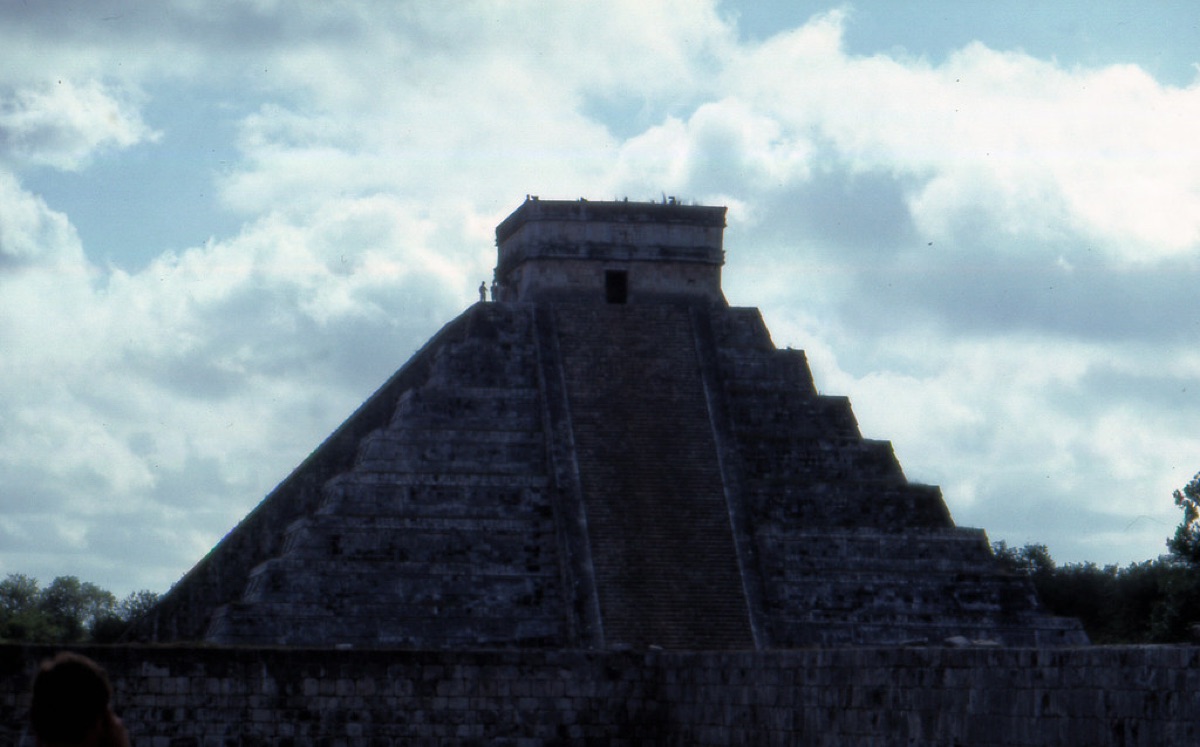
Which attraction matches my vibe? The sun beats down on the limestone plaza of Chichen Itza as a group of travelers stands in silence, looking up at the massive shadow of a feathered serpent. You can almost feel the weight of centuries pressing down on the hot stone beneath your feet.
If you are a history buff, the Maya ruins are your primary calling. Sites like Chichen Itza or the coastal beauty of Tulum offer a sense of scale that is hard to grasp through a screen.
You have to decide between the massive, restored grandeur of the great cities and the more atmospheric, overgrown ruins that feel like hidden secrets.
For example, visiting El Castillo at Chichen Itza requires an early start to beat both the heat and the crowds, but seeing the geometry of the pyramids in the morning light is transformative.
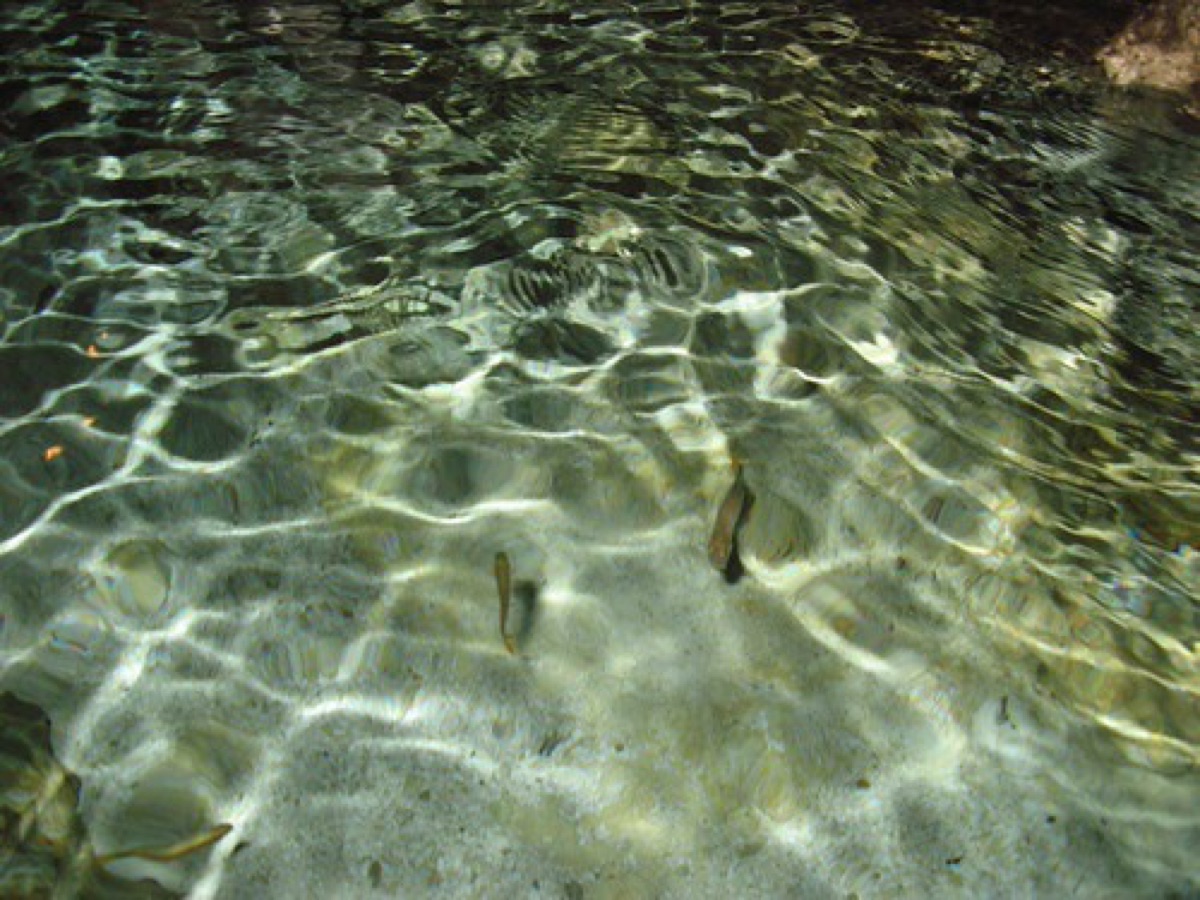
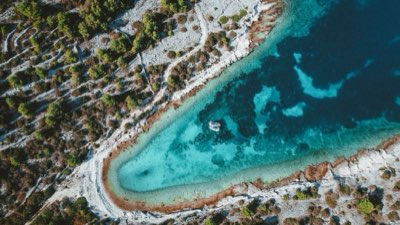
If you prefer a sensory, physical connection to nature, cenotes are the answer. These natural limestone sinkholes are essentially windows into the underworld of Maya mythology.
You might find yourself dangling from a rope into a deep, dark well or floating in a wide, open-air pool that looks like a blue eye in the jungle. The experience is entirely different depending on whether you choose a wide, sunlit cenote or a narrow, cavernous one.
For those seeking a soul-stirring connection to the local culture, the traditions surrounding Día de Muertos (Day of the Dead) offer a profound look at how life and death intersect. While often seen as a spectacle, it is a deeply personal time of remembrance.
If your travel dates don't align perfectly with late October or early November, you can still find the spirit of these traditions in local markets and community altars throughout the year.
But choosing a category is only the beginning of the challenge.
How do I plan my perfect day trip? A dusty tour bus pulls up to a small village near Valladolid, and travelers scramble to grab water bottles and wide-brimmed hats before the heat of the midday sun sets in.
Planning a trip to the ruins requires a focus on endurance and sun protection. You should expect to spend at least three to four hours walking through these sites. Because the heat can be intense, it is best to arrive at opening time.
Most visitors find that a guided tour is worth the extra cost to understand the complex astronomical alignments of the structures, rather than just seeing piles of stone.
Cenote exploration requires a completely different set of preparation. Unlike the dry heat of the ruins, you will be dealing with water. You must check water quality and clarity before jumping in. A vital rule for cenote visitors: never wear sunscreen, oils, or lotions into the water.
These chemicals can damage the delicate ecosystem and ruin the visibility for everyone else. Depending on the type of cenote, you might need a mask and snorkel, or even specialized gear if you are looking at more advanced diving.
If you try to combine both a ruins visit and a cenote trip in a single day, you are looking at a high-intensity itinerary. It is often rewarding to visit a ruin in the morning and cool off in a nearby cenote in the afternoon.
However, the transition from hot, dusty ruins to wet, slippery cenote environments requires careful planning regarding extra clothes and towel management.
The logistical hurdles are real, but there is a deeper layer to this landscape that most tourists miss entirely.
Beyond the Main Attraction: Deepening Your Yucatán Immersion
The smell of copal incense drifts through a quiet courtyard, mixing with the scent of damp earth and blooming marigolds.
To truly understand the ruins, you have to look past the postcards. The history of this region is layered, spanning from the Preclassic period to the height of the Classic period. While the architecture is stunning, understanding the social structures that built them adds a layer of depth.
Reading a bit about Maya history before you arrive can turn a simple walk into a profound journey through time.
The cenotes are not just swimming holes; they are complex geological and ecological systems. Formed by the collapse of limestone bedrock, these karst landscapes are fragile. When you visit, remember that you are entering a delicate ecosystem.
For those interested in more than just a quick dip, some cenotes offer incredible opportunities for cave diving, but this requires professional local guides and specific training.
The cultural echoes of traditions like Día de Muertos are found in the small details of local life. While the big cities might have large-scale celebrations, the true heart of the tradition is often found in local markets or small-town altars.
If you want to experience the authentic side of the culture, look for community-led events where offerings of food and flowers are placed to honor ancestors.
When I first stood at the edge of a cenote in 2025, I realized that no amount of photography could prepare me for the silence of the water. It made me wonder: how do you balance being a traveler with being a respectful guest in such a sensitive place?
Quick-Reference Guide: Choosing Your Next Adventure
| Priority | Best Choice | Key Characteristic | | :--- | : much more than a simple list | | | History & Scale | Maya Ruins | Massive structures, architectural marvels, and historical depth. | | Adventure & Nature | Cenotes | Unique geological formations, swimming, and natural beauty. | | Cultural Immersion | Rituals/Traditions | Deep connection to local heritage and spiritual practices. |
To make your decision easier, follow this checklist to organize your trip: According to World Bank data, Mexico recorded international tourist arrivals of 51,128,000 in 2020.
- Identify your energy level: High energy (climbing/walking) suits ruins; moderate energy (swimming/floating) suits cenotes.
- Check your calendar: If traveling in late October or early November 2026, prioritize cultural events.
- Pack accordingly: Bring hats and water for ruins; bring dry clothes and water shoes for cenotes.
- Map your route: Group your visits by proximity to avoid spending your entire vacation in a car.
- Verify local rules: Check if specific sites require advanced bookings or have restricted access.
But even with a plan, you might still find yourself stuck between a desert-like heat and a jungle-soaked adventure.


Comments 0