How to follow an authentic local market tours plan?
Finding the right souvenirs near the ruins requires understanding the distinction between federal archaeological sites and the local vendor areas. For travelers seeking Chichen Itza local buys, the best approach involves navigating the outskirts of the protected zone rather than the ruins themselves.
This guide is for travelers visiting the Yucatan Peninsula who want to avoid mass-produced items and find authentic local goods near the site.
You should focus on the perimeter markets and small roadside stalls, while being careful to stay within designated commercial zones to respect the site's integrity.
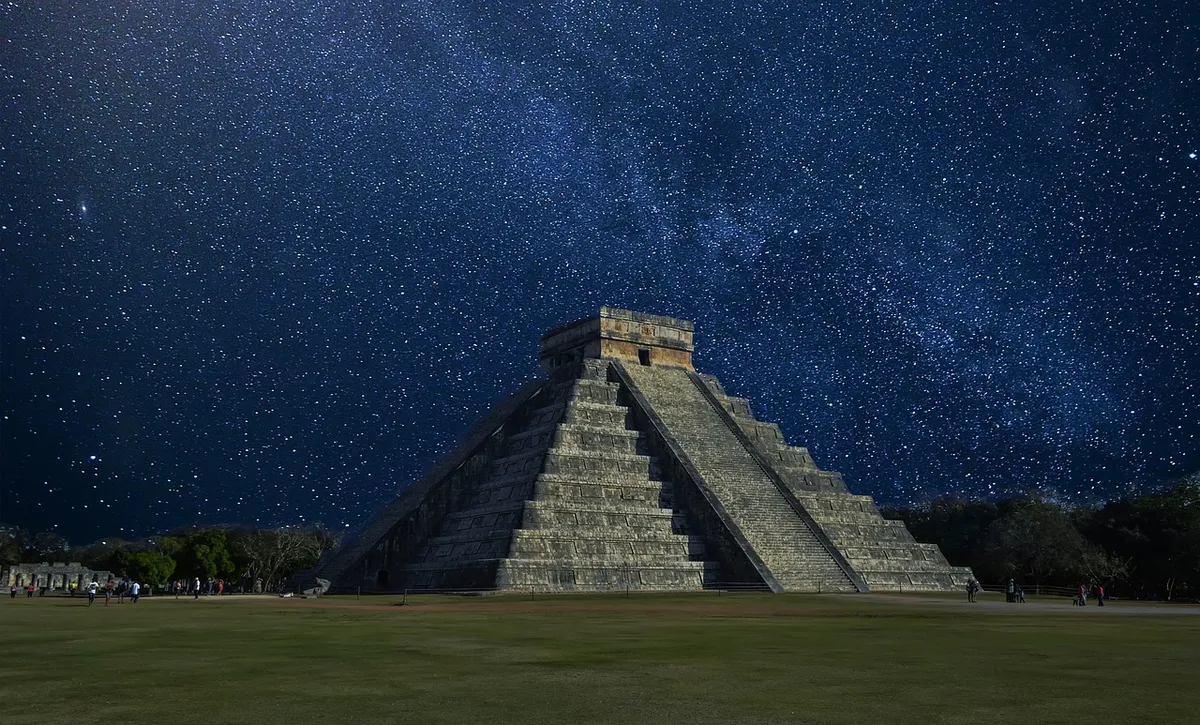
One limitation is that specific shopping routes for artisanal crafts are not explicitly detailed in the historical stewardship records of the site.
* Prioritize vendor stalls located outside the federal property boundary. * Look for handmade textiles and stone carvings in local village markets. * Avoid purchasing items directly from inside the archaeological zone. * Verify that your purchases support local community artisans.
Where can I find the best local shopping near Chichen Itza?
A traveler walks through the dusty heat of the Yucatan, feeling the 27.1 °C (80.8 °F) annual mean temperature on their skin. They step away from the towering stone structures to find the vibrant colors of market stalls.
To find the best rep, you must move toward the peripheral areas where local vendors set up shop near the entrance of the archaeological zone.
The ruins of Chichen Itza are federal property, and the site's stewardship is maintained by Mexico's Instituto Nacional de Antropología e Historia (INAH). Because the site is strictly managed as federal property, commercial activity is restricted to the designated areas surrounding the entrance.
This ensures that the archaeological integrity remains intact while allowing local commerce to thrive nearby.
I remember walking past the main gates, feeling the heavy humidity, and noticing that the most interesting items were found in the small clusters of stalls just beyond the official checkpoint. This is where the real Chichen Itza local buys happen.
How can I find an insider shopping route? Local shopping near Chichen Itsa
The sun beats down on a narrow road as a visitor follows a winding path toward a small village. They see brightly colored woven baskets and hand-painted ceramics arranged on wooden tables.
Following an insider shopping route means stepping off the main tourist bus path to explore the smaller settlements that surround the monument.
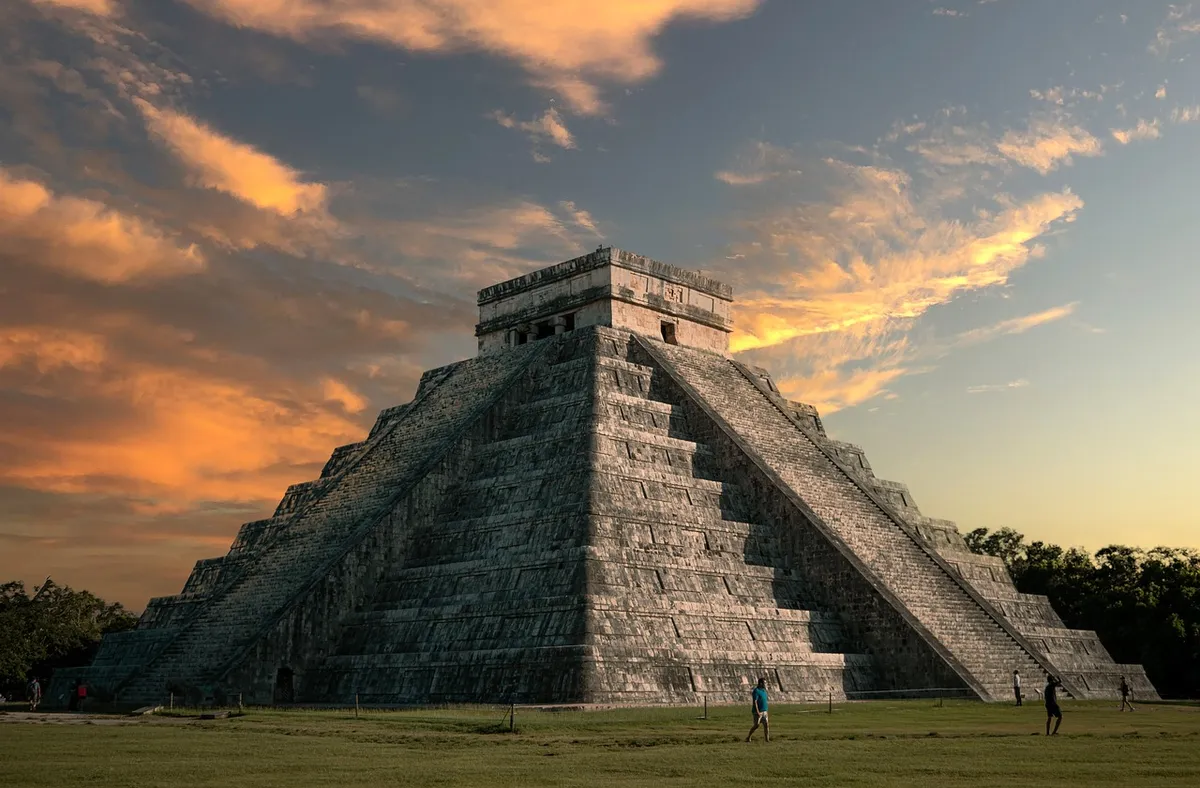
Finding a unique local crafts route involves moving away from the large tour groups and toward the smaller, family-run kiosks. These paths often lead to vendors who specialize in specific traditional crafts.
By exploring these side paths, you can encounter items that are not found in the larger souvenir shops.
Searching for the best buys near ruins often requires a bit of patience and a willingness to walk through the local heat. Many travelers find that the most rewarding experiences come from these unplanned detours into the local community.
What are the best things to buy near the ruins?
I follow the winding path through the heavy humidity to find hand-carved stones at a roadside stall.
A collector reaches out to touch a smooth, hand-carved jade pendant in a shaded stall. The scent of roasted corn fills the air as they browse through various wooden figurines. When looking for the best buys near ruins, you should focus on items that reflect the cultural heritage of the Yucatan.
Many visitors seek out textiles, pottery, and stone carvings that represent the region's history. These items are often more authentic when purchased from vendors who live in the immediate vicinity of the archaeological sites.
This supports the local economy and ensures you receive a genuine piece of the region.
An authentic local market tours experience can be found by visiting the markets in the nearby towns during the morning hours. This is the best time to see the full variety of goods available.
What is a hidden shopping paths guide?
A person wanders into a quiet alleyway lined with colorful papel picado banners. They discover a small workshop where an artisan is carefully painting a ceramic plate.
A hidden shopping paths guide suggests looking for these smaller, less obvious locations rather than sticking to the main thoroughness of the tourist strip.
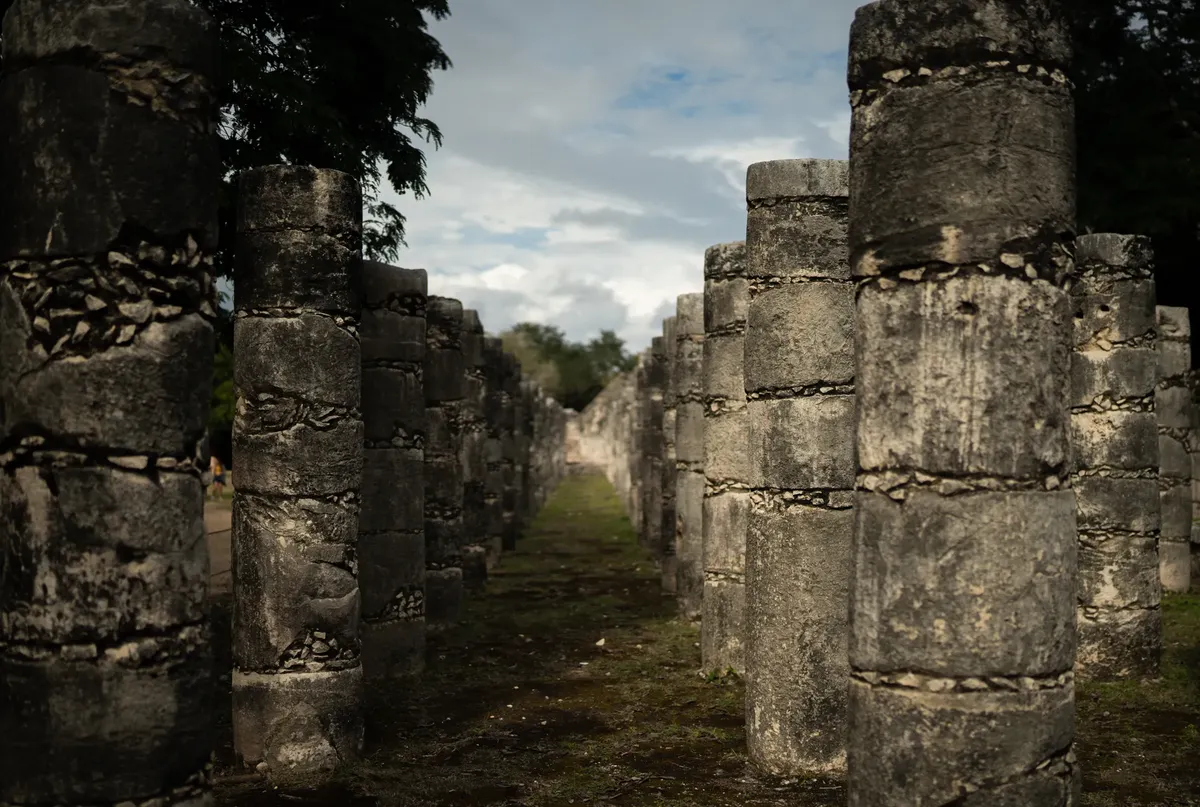
Exploring these hidden paths allows you to see the craftsmanship up close. You might find a small workshop where items are made right in front of you, providing a deeper connection to your purchase. This method of shopping is often more rewarding than browsing the larger, more crowded stalls.
I once found a small shop tucked behind a local eatery that sold the most incredible hand-woven belts, far away from the main tourist crowd.
How to follow an authentic local market tours plan?
A traveler enters a bustling market, hearing the lively chatter of vendors and the clinking of coins. They move through the aisles, observing the different types of goods on display. To execute an authentic local market tours plan, you should follow these specific steps:
- Locate the designated market area in a nearby town, such as those near the entrance to the archaeological zone. 2. Observe the vendors to see which items are handmade and which are mass-produced. 3. Engage with the sellers to learn about the history of the craft or the materials used.
After completing these steps, perform a final check by ensuring the item is of the quality you desire and that the price is fair for a local handmade product.
What are the limitations of shopping near the site?
A visitor stands at the edge of the archaeological zone, looking at the vast landscape. They realize that while the ruins are magnificent, the shopping options are limited to specific areas.
Because the site is federal property, you cannot shop within the actual ruins themselves. This means your selection is limited to what is available in the surrounding commercial zones.
It is important to plan your shopping time separately from your archaeological exploration to ensure you have enough time for both.
Is Chichen Itza a major tourist destination?
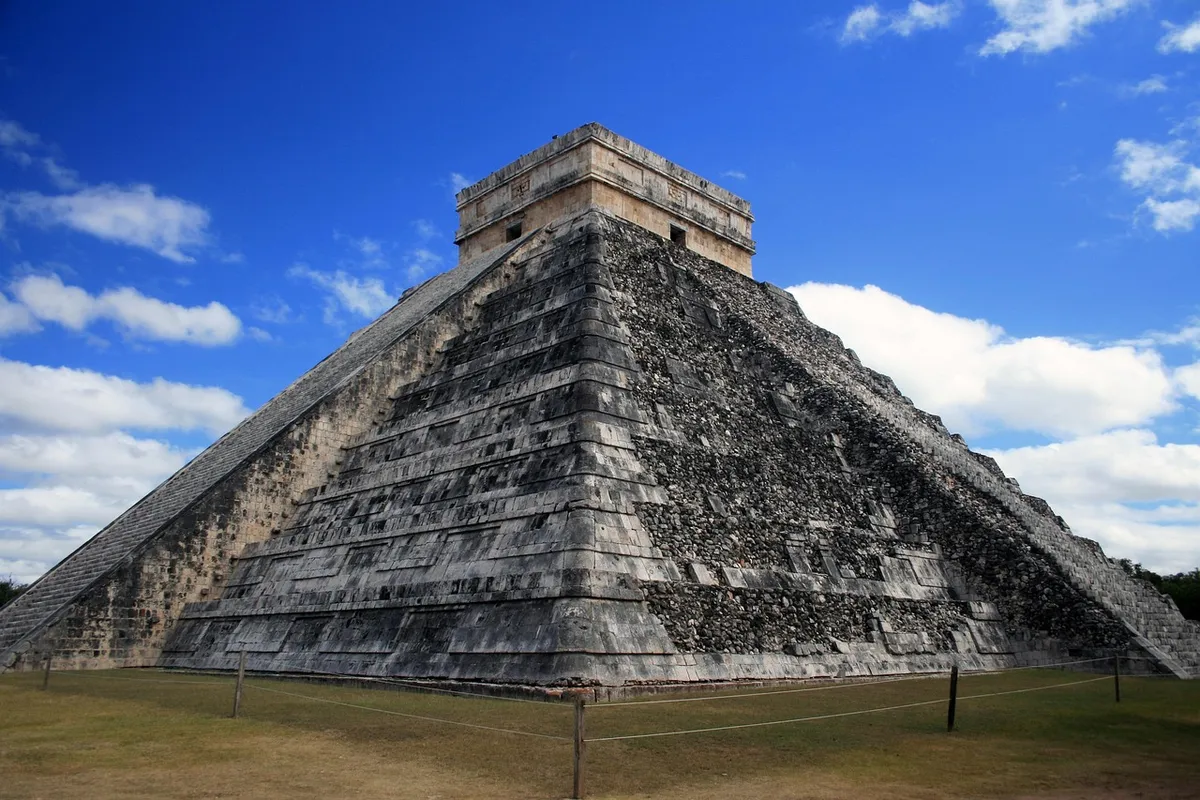
Yes, Chichen Itza is a UNESCO World Heritage Site and is the second-most visited of Mexico's archeological sites.
Who manages the Chichen Itza site?
The stewardship of the Chichen Itza ruins is maintained by Mexico's Instituto Nacional de Antropología e Historia (INAH).
Navigating the shopping landscape near Chichen Itza requires a balance between appreciating the historical site and engaging with the local economy. By staying outside the federal property and seeking out local vendors, you can find meaningful keepsakes that honor the region's traditions.
- Where is the best place for local shopping near Chichen Itza?
- How can I find an insider shopping route?
- What are the best buys near ruins?
The subject here is Local shopping near Chichen Itsa.
The same subject is also called Chichen Itsa local buys.
The same subject is also called Local goods near site.
Related


Comments 0