79°F+ Waters: Navigating Sargassum Blooms in the Caribbean
"Don't let a brown tide steal your turquoise dream; knowing how to pivot is the difference between a ruined vacation and a legendary adventure."
If you arrive in Cancún to find thick, brown seaweed coating the shoreline instead of white sand, you might feel like your vacation is over. However, the ocean is a living system, and a bloom doesn't have to mean a wasted trip.
* Understanding the seasonal bloom cycle helps you plan realistic expectations for your itinerary. * Local wisdom suggests pivoting to freshwater or inland activities when the ocean is heavily impacted. * Comparing ocean-based activities versus cenote-based activities allows you to match your plans to current water conditions. * Proactive planning regarding marine conditions prevents frustration and keeps your travel budget on track.
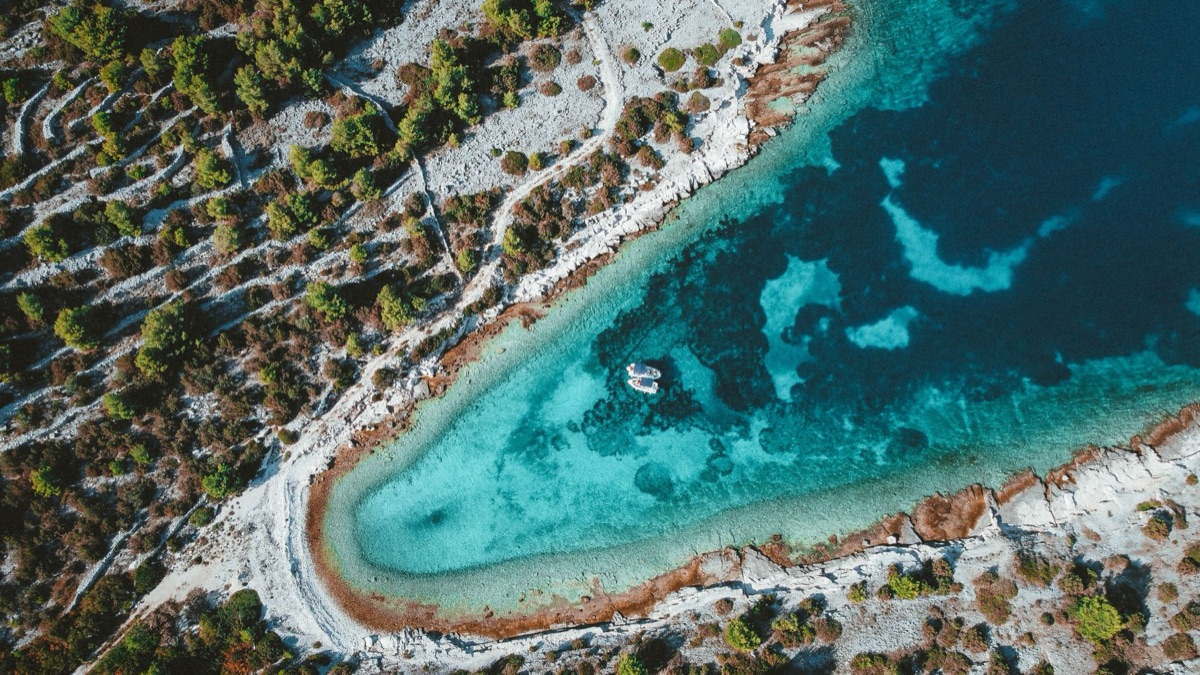
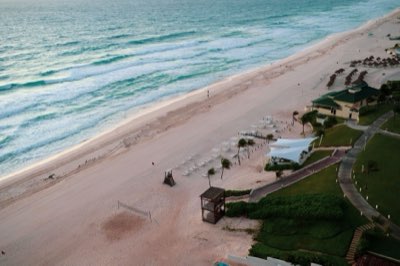
When exactly does the Sargassum bloom become a problem? The sun beats down on the white sands of the Hotel Zone in July 2026, but instead of the usual crystal-clear turquoise water, a thick, tangled mat of brown seaweed sits heavy against the shore. According to World Bank data, Mexico recorded international tourist arrivals of 51,128,000 in 2020.
The air carries a faint, earthy scent, and the usual sound of lapping waves is replaced by the soft, wet thud of seaweed hitting the sand.
Sargassum is a natural seaweed that floats in the Atlantic and drifts into the Caribbean. While it is a vital part of the marine ecosystem, massive "blooms" can result in thick layers that cover beaches, making swimming difficult and reducing water clarity.
These blooms often peak during warmer months, though they can be unpredictable. In practical terms, a severe bloom means the water might look murky, and the smell of decomposing organic matter can be noticeable on the wind.
While a minor presence might just look like patches of seaweed in the water, a severe bloom can make beach lounging and snorkeling unpleasant.
Because the Yucatán current continually brings warm water from further south, the sea temperature is always very warm, with lows of 79 °F (26 °C) in winter and highs of 84 °F (29 °C) in summer. These warm waters can sometimes fuel the growth and movement of these blooms.
To stay ahead of the situation, do not rely solely on seasonal generalizations. Check local marine forecast groups or social media feeds from local Cancún environmental monitors daily. If you see reports of a heavy influx, prepare to adjust your morning plans.
But knowing why it happens is only half the battle; you also need to know how to react when you hit the shoreline.
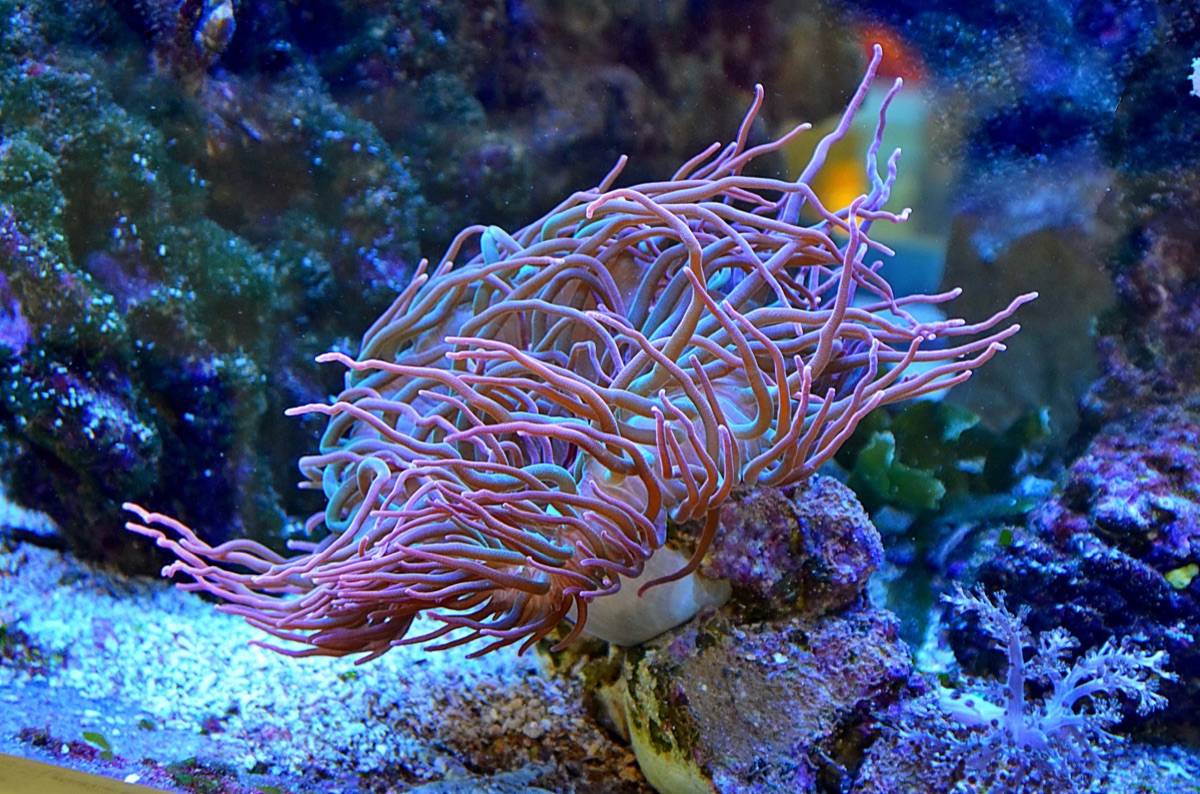
Should I choose Sargassum or pristine waters? You stand on a balcony overlooking the Caribbean, looking at a coastline that looks more like a marsh than a tropical paradise. You check your phone, wondering if you should cancel your catamaran tour or head to the hotel pool instead.
When the ocean is hit by a bloom, your options split into two categories: those heavily affected by surface conditions and those that remain pristine.
Activities like beach swimming, snorkeling in shallow reefs, and paddleboarding are the most impacted because they rely on clear, easy-to-navigate water.
If the seaweed is thick, local experts suggest pivoting to freshwater environments. The cenotes—natural limestone sinkholes—are often the perfect alternative. Because they are fed by underground aquifers rather than the open ocean, they remain clear, cool, and entirely unaffected by seaweed.
| Activity Type | Impact Level during Bloom | Best Alternative |
|---|---|---|
| Beach Swimming | High | Cenote swimming or hotel pools |
| Shallow Snorkeling | High | Deep-water boat tours or cenotes |
| Kayaking/Paddleboarding | Medium to High | Inland lagoon tours |
| Archaeological Tours | None | N/A (Stay the course) |
| Scuba Diving | Low to Medium | Deep reef diving (if visibility allows) |
When deciding whether to book an ocean tour, look at the specific destination. If a tour takes you far offshore to deep reefs, the seaweed often stays behind in the shallows.
However, if you are looking for a calm, shallow swimming experience, a heavy bloom might make that specific excursion disappointing.
But what if you are already on the ground and the seaweed has already arrived?
Local Picks: Where to go When the Sargassum is Present
The morning heat begins to rise, and you realize the beach is unusable. Instead of sitting in a dim hotel room, you grab your gear and head toward the lush, green jungle that hides the secrets of the Yucatán.
When the seaweed is heavy, locals often head inland. The cenotes of the Riviera Maya are the ultimate refuge. Places like Cenote Dos Ojos or various cenotes near Tulum offer crystal-clear water that looks like liquid glass, regardless of what is happening on the coast.
For those who still want a "water" experience, look for protected lagoons or areas with strong currents that keep the seaweed from settling. Some coastal areas are naturally more sheltered, but the most reliable "local pick" is always the freshwater systems of the peninsula.
If a bloom is severe, shift your focus from "relaxation by the water" to "cultural deep dives." This is the perfect time to visit the ruins of Tulum, Coba, or Chichén Itzá. These sites offer profound engagement with Mayan history and are completely unaffected by the state of the Caribbean Sea.
The deep history of the Yucatán is a constant. While the ocean changes with the seasons and currents, the stone structures of the Maya civilization remain as steady as ever.
Using a bloom period to explore the history of the people who once lived alongside these waters adds a layer of depth to your trip that a simple beach day cannot provide.
However, you need a plan to make these transitions smoothly.
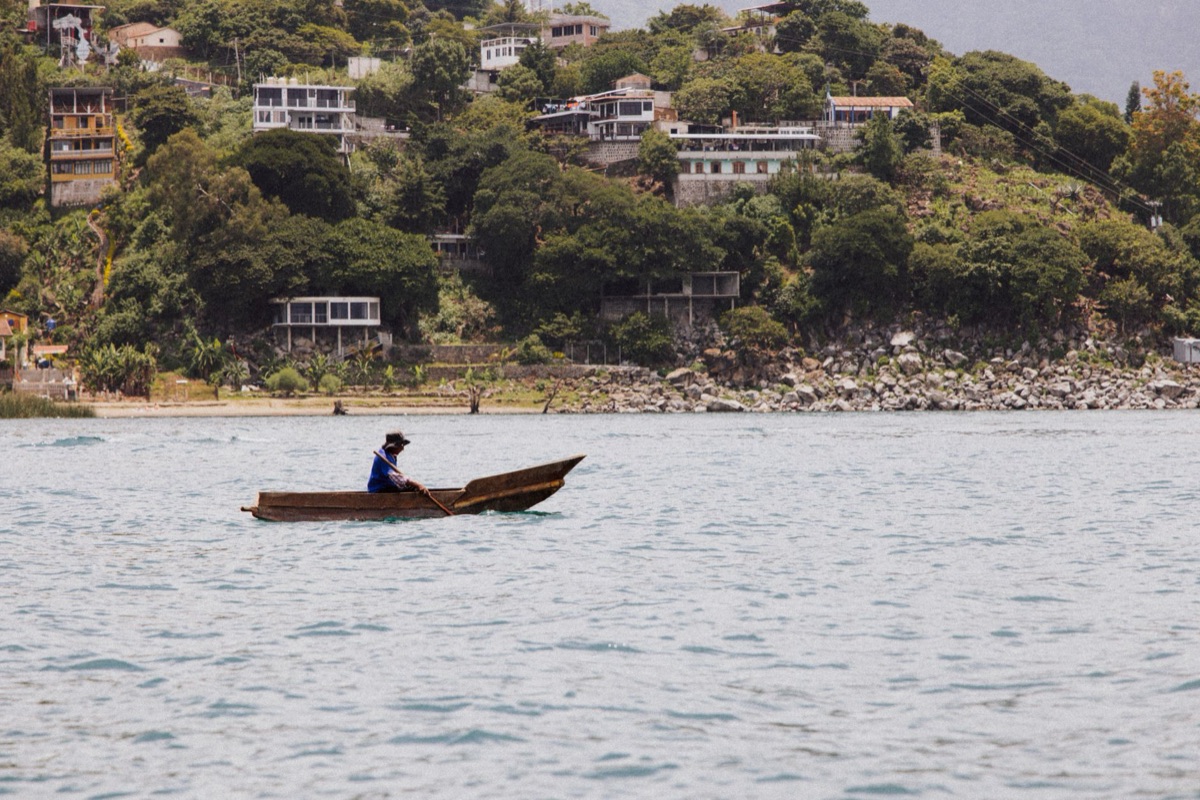
Choosing Your Experience: Matching Activity to Ocean Reality
You look at your itinerary: a morning of snorkeling and an afternoon of sunbathing. You have to decide: do you push through and try the ocean, or do you change your plans entirely to ensure you aren't disappointed?
Choosing between the ocean and an alternative depends on your tolerance for the bloom. If you are a traveler who needs pristine, clear water to feel satisfied, a heavy bloom might make ocean activities a struggle.
If you are adventurous, you might find the beauty in the wilder, more natural state of the coast.
| Scenario | Pros of Ocean Activities | Cons of Ocean Activities |
|---|---|---|
| Sargassum Present | Opportunity for unique wildlife viewing; lower prices on some tours. | Difficult swimming; potential smell; low visibility; messy. |
| Sargassum Clear | Iconic turquoise water; easy swimming; perfect photography. | Higher crowds; potential for higher seasonal pricing. |
For honeymooners looking for romantic, pristine settings, a bloom might necessitate a pivot to luxury cenote tours or private inland excursions to maintain that "paradise" feeling.
For adventurous travelers, the bloom is just a variable to be managed, often resulting in more budget-friendly local experiences.
When I was traveling through the region in late 2025, I found that having a "Plan B" folder on my phone saved my entire week. If you want to avoid the frustration of a ruined morning, follow this checklist:
- Check the morning report: Before you leave your hotel, check local social media groups or the "sea state" with your concierge.
- Assess the smell and texture: If you smell sulfur or see thick, brown mats, skip the beach and head to a cenote immediately.
- Pack a "pivot kit": Always carry extra towels, waterproof phone pouches, and a change of clothes in your vehicle.
- Book flexible tours: Prioritize tours that offer easy cancellations or can be rescheduled with 24-hour notice.
But how do you actually execute this without feeling like you're missing out?
Pro-Tips from Locals: Maximizing Your Trip Regardless of the Bloom
The sun is setting over the jungle, and you realize that even without a perfect beach day, you have seen more of the real Mexico than you ever expected. You feel refreshed, not because of the water, but because of the adventure.
The best way to maximize your trip is to treat the ocean as one of many possibilities, not the sole purpose of your travel. Non-marine activities like visiting the Rio Silce or exploring the various ethnographic museums in Mérida are excellent year-round.
Logistically, try to book your tours with flexibility in mind. If you are staying in a hotel, ask the concierge about the daily "sea state." They often know which direction the wind is blowing and which side of the island might be clearer.
Manage your expectations. If you go to the beach expecting a postcard-perfect scene and find seaweed, you might be frustrated. If you go to the beach knowing it might be a bit messy, you can focus on the beauty of the dunes or the local wildlife instead.
By diversifying your itinerary between the coast and the jungle, you ensure that no matter what the Atlantic sends your way, your vacation remains a success.
#



Comments 0