Mayan Ruins vs. Cenotes vs. Day of Dead: Your Yucatán Guide
"I stood at the base of a crumbling limestone pyramid, the midday heat pressing against my skin, wondering if I should have spent this afternoon swimming in a cool, turquoise sinkhole instead."
Deciding how to spend your precious vacation days in the Yucatán Peninsula can feel overwhelming.
Do you chase the shadows of ancient kings at a massive archaeological site, plunge into the crystal-clear depths of a cenote, or time your entire trip to witness the vibrant, soulful traditions of Día de Muertos?
Key Takeaways * Match your goal: Choose Ruins for history, Cenotes for adventure/nature, and Día de Muertos for cultural immersion.
* Logistics matter: Ruins require early starts to beat heat/crowds; Cenotes require swimwear and sun protection; Día de Muertos requires strict seasonal timing. * Optimize your route: Group ruins and cenotes geographically to minimize travel time between locations.
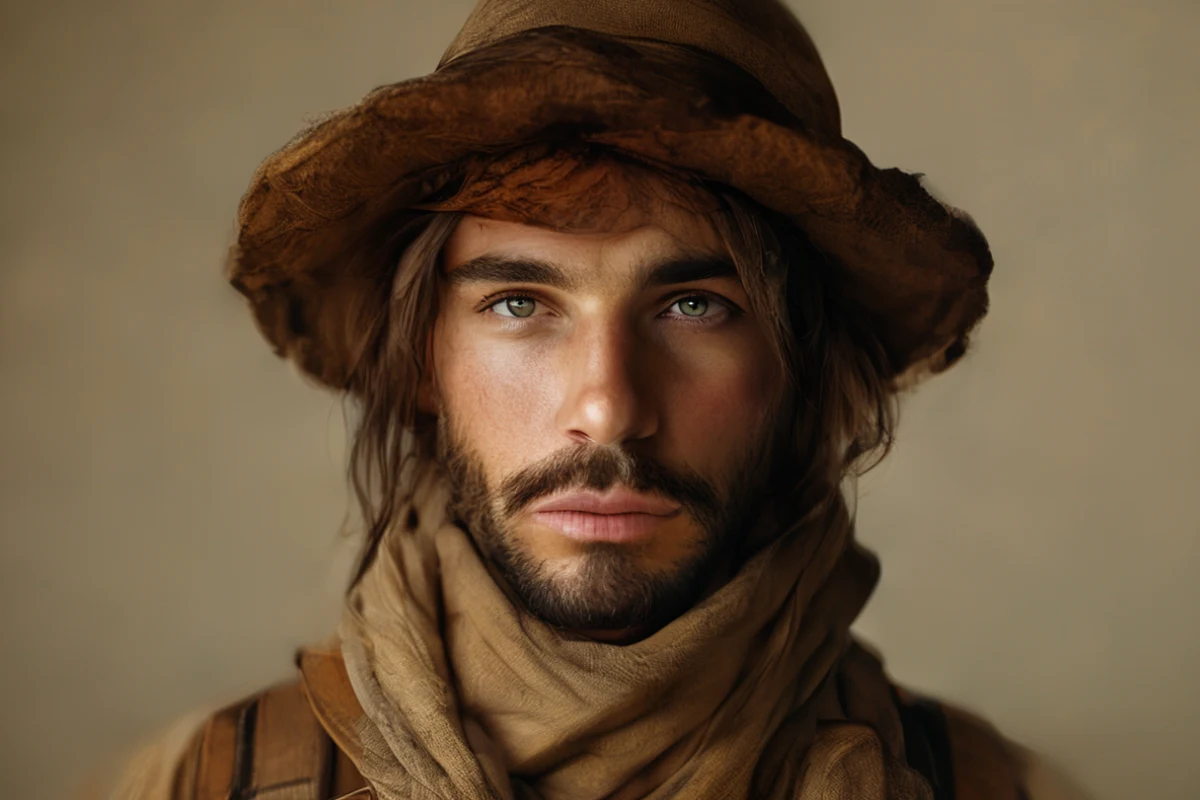
Should I visit ruins, cenotes, or celebrate Day of the Dead? The sun hit the white stone of a courtyard as I looked at a map, trying to decide between a dusty trek through ruins or a boat ride to a hidden swimming hole. The choice defines the entire energy of your trip.
According to World Bank data, Mexico recorded international tourist arrivals of 51,128,000 in 2020.
Mayan Ruins are about scale, history, and the sheer weight of time. When you stand in the shadow of a temple, you are engaging with a structured, intellectual exploration of a lost empire. It is an active, often hot, and somewhat formal way to travel.
Cenotes offer a completely different sensory experience. These limestone sinkholes are natural wonders that provide a physical, refreshing escape. It is about the sensation of water, the coolness of the earth, and a more visceral connection to the landscape.
Día de Muertos is not a place, but a moment in time. It is a deep, emotional, and colorful immersion into the Mexican soul. Unlike the other two, you cannot "fit this in" whenever you want; you must align your life with the calendar to experience it.
Decision Point: * Choose Ruins if you want to walk through history and understand the architectural genius of the Maya. * Choose Cenotes if you want a mix of natural beauty and refreshing physical activity.
* Choose Día de Muertos if you want a transformative cultural experience that connects you to local traditions.
But how do you actually navigate the heat and the crowds of the ruins without losing your mind?
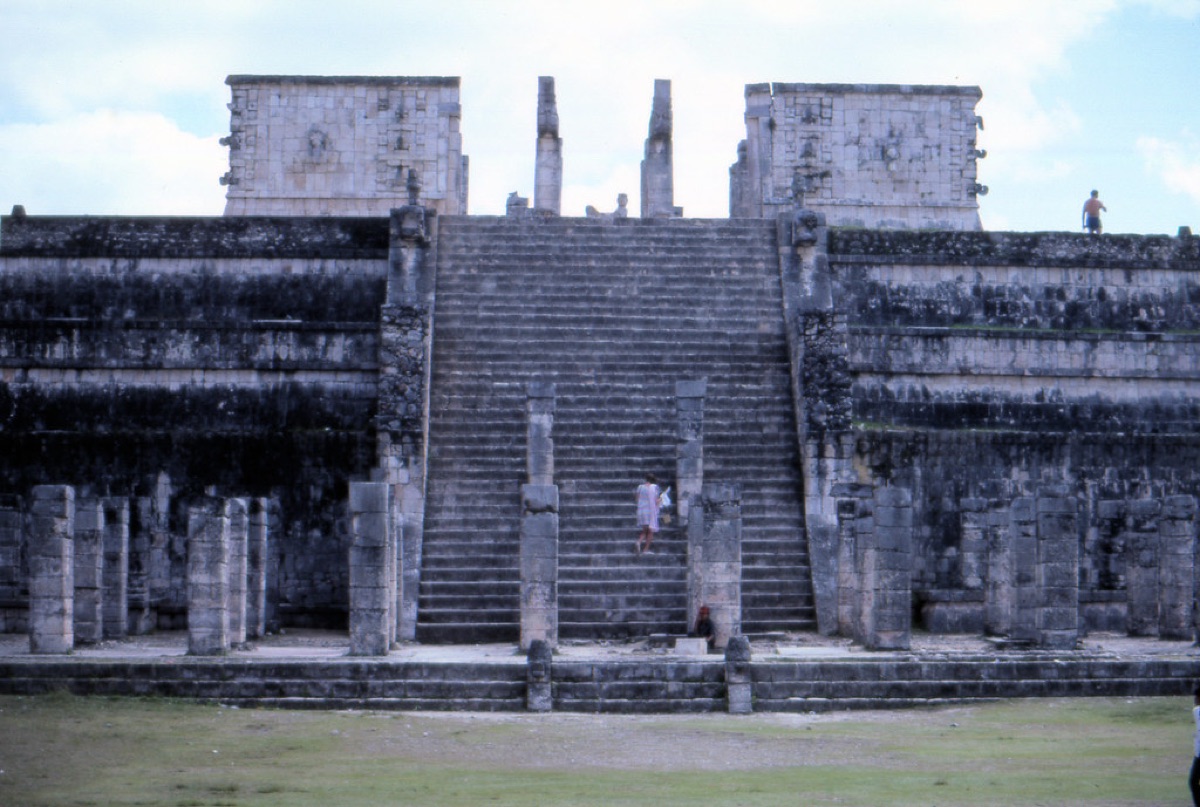
What lies beneath the surface of the Mayan ruins? I remember the smell of dry dust and the sound of distant birds as we walked toward the entrance of a massive archaeological site at sunrise. The sheer scale of the stone structures makes you feel incredibly small.
Planning a visit to the ruins requires more than just showing up. For major sites like Chichen Itza, you face massive crowds and intense heat. Many travelers choose structured tours because they provide guides who can translate the stone carvings into stories.
However, renting a car allows you to visit smaller, quieter sites where you can feel the history without the elbow-to-elbow crowds. In 2025, travelers noted that visiting remote sites like Ek Balam offered a much more intimate connection to the past than the crowded hubs.
The geography of the peninsula plays a huge role in your experience. Some sites are massive urban centers, while others are smaller outposts. The connection between the Maya and their environment is evident in how these cities were placed—often near water sources or aligned with celestial bodies.
To make the most of your visit, timing is everything. Arriving at the gates right when they open is the only way to avoid the crushing heat of the midday sun and the influx of large tour groups.
But once you have satisfied your intellectual curiosity, you might find yourself craving a different kind of immersion.
Subterranean Adventures: Exploring the Cenotes
The water was so clear that the sunlight hit the bottom of the sinkhole, creating dancing patterns of light on the limestone walls. It felt like stepping into another world entirely.
Cenotes are natural sinkholes formed by the collapse of limestone bedrock, creating beautiful underground rivers and pools. In ancient times, these were vital water sources for the Maya, and they remain one of the most unique geological features of the region.
The experience can range from a casual swim in an open-air cenote to technical scuba diving in deep, flooded caverns. If you are looking for a relaxing dip, look for "open" cenotes.
If you are an adventurer, look for "cavern" or "submerged" sites, but keep in mind these often require professional guides and specialized gear.
In the summer of 2025, travelers reported that water temperatures in deeper cenotes stayed a consistent 75 degrees Fahrenheit, providing a sharp contrast to the tropical heat above.
Safety is paramount when exploring these natural wonders. Always check the water quality and follow local signage. Because the ecosystem is fragile, you should avoid using heavy sunscreens directly in the water; instead, use biodegradable options or rinse off before entering.
When planning your trip, group your cenote visits by location. For example, if you are visiting ruins in the north, look for cenotes in the same area to avoid spending your whole day in a car.
While the water is refreshing, there is a moment in time that offers a different kind of soul-stirring intensity.
The Cultural Pinnacle: Embrinding Día de Muertos
The scent of marigolds and copal incense filled the air, thick enough to taste, as we walked through a town decorated in orange and purple. It was a beautiful, haunting transition between worlds.
Día de Muertos (Day of the Dead) is a time of remembrance, not mourning. In the Yucatán, this tradition is a beautiful blend of indigenous Maya beliefs and Catholic influence. It is an opportunity to see how families honor those who have passed through altars, offerings, and vibrant celebrations.
It is important to distinguish between the mass tourist spectacles in large cities and the authentic community observances in smaller towns. While the parades are spectacular, the most moving experiences often happen in local neighborhoods or family-run festivities.
Timing is the most critical factor. This celebration happens in late October and early November. If you miss this window, you miss the heart of the experience. In 2026, travelers planning ahead are already marking their calendars for the specific transition from October 31 to November 2.
It is a period of deep cultural resonance that requires you to be present during those specific days to truly understand the local worldview.
But how do you balance all of this without burning out?
Tailoring Your Trip: Matching Activity to Your Travel Profile
I sat at a small cafe in Playa del Carmen, looking at my itinerary and realizing that trying to do everything at once was a recipe for exhaustion. You have to prioritize.
| Traveler Type | Primary Focus | Recommended Strategy |
|---|---|---|
| The Bucket List Traveler | Variety & Scale | A multi-day trip combining major ruins, multiple cenotes, and local markets. |
| the Focused Traveler | Depth & Detail | Spend 3 days on ruins/history and 1 day dedicated to a single, spectacular cenote. |
| The Cultural Traveler | Tradition & Connection | Time the trip for November to focus on local festivals and community engagement. |
How to Plan Your Itinerary:
- Identify your "Must-See": Pick one primary driver for your trip (e.g., "I want to see the pyramids").
- Layer in the secondary activities: Add cenotes as a way to cool down after a morning of walking through ruins.
- Check the calendar: If you want cultural immersion, verify the exact dates of local festivals before booking flights.
- Group by geography: Do not try to visit a northern ruin and a southern cenote on the same day.
- Prepare for the environment: Pack breathable clothing for ruins and swimwear/towels for cenotes.
Logistics Check: For those traveling between sites, consider the growing transportation options in the region, such as the Tren Maya, which connects various parts of the peninsula. In 2025 and 2026, these routes have become vital for accessing remote archaeological zones.
For shorter distances, renting a car provides the most flexibility, but always account for travel time between remote locations.
Comments 0