Cenote marine safety rules guide best water experience
"Safety in the waters surrounding Chichen Itza is a matter of respect for both the natural environment and the ancient history that defines this region."
Travelers should prioritize staying within designated swimming areas and adhering to local signage regarding depth and currents.
This guide covers essential safe practices near ancient water holes, though it is important to note that specific precautions may vary depending on the exact cenote or coastal location visited.
How can I stay safe in a cenote?
At dawn, I stand trembling at the edge of the limestone cenote while the humid air clings to my skin.
To maintain safety, visitors must follow specific Cenote marine safety rules that protect both the individual and the delicate ecosystem.
Staying within the marked boundaries is the primary way to avoid sudden drop-offs in the underwater landscape. Many visitors find that following these guidelines ensures a much smoother experience when exploring the subterranean pools.
I always check the depth markers before stepping into the water to ensure I am prepared for the specific conditions of the day.
However, these rules may not be sufficient during sudden changes in water visibility. I will follow the steps in the order they are listed.
How to follow Cenote marine safety rules
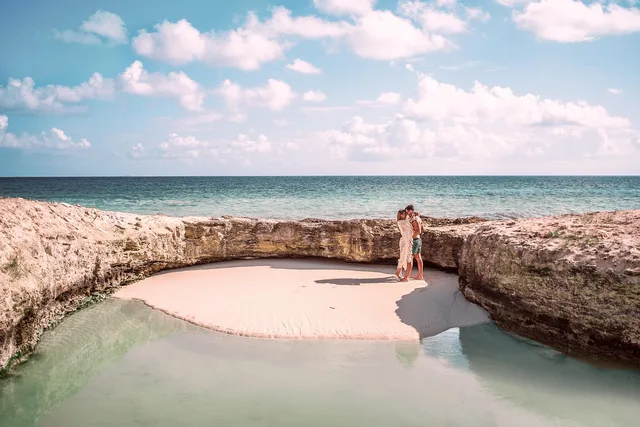
Walking along a sun-drenched path near the coast, a visitor notices the bright signage pointing toward the turquoise water. Following Xelhua safety guidelines involves being mindful of the local currents and the specific activities permitted in certain zones.
These guidelines are designed to manage the flow of tourists and prevent overcrowding in sensitive areas.
These safety protocols are often integrated into the tours provided by local operators. By adhering to these instructions, travelers help preserve the natural beauty of the area while minimizing personal risk.
Understanding the local landscape is a key part of any successful excursion near these historical landmarks.
Note that these guidelines do not apply if you are swimming in areas strictly designated for professional divers only. I am focusing on the second point mentioned above.
What rules do I need to follow on the coast?
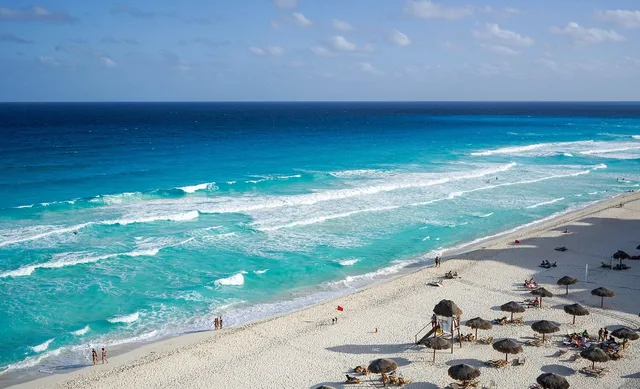
The sound of waves hitting the shore accompanies a walk along the sandy coastline near the Yucatan Peninsula. Applying standard Coastal activity rules means being aware of tidal changes and the strength of the ocean swells.
It is vital to observe local flags or markers that indicate swimming conditions or restricted zones.
Safety in these areas is often managed by local authorities or tour operators who monitor the water. Following these rules helps prevent unexpected encounters with strong undertows or changing weather patterns.
Being proactive about checking the local conditions is a fundamental part of coastal exploration.
These precautions are less effective during extreme weather events or heavy storms. I am referring to the step I just described.
Which Water zone precautions should I keep in mind?
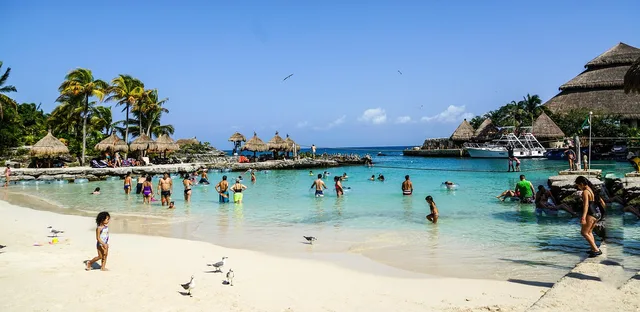
A person adjusts their gear while standing near a shaded pool, looking at the clear water below. Implementing Water zone precautions requires a careful assessment of the immediate surroundings, such as slippery rocks or submerged obstacles.

It is important to remain vigilant about the physical environment, especially in areas with varying light levels.
- Check for any posted warnings regarding water temperature or depth. 2. Ensure that all necessary flotation devices are securely fastened. 3. Stay within the visual range of a lifeguard or tour guide.
After completing these steps, perform a final check of your equipment and personal belongings. This routine ensures that you are ready for the specific environment you are about to enter.
These measures are limited when navigating through high-traffic zones with heavy boat activity. I am pointing to the first instruction provided.
What are the Cave diving safety tips?
The light from a flashlight cuts through the dim atmosphere of a cavern, reflecting off the still water. Following Cave diving safety tips is critical for those venturing into more complex underwater environments.
These tips emphasize the importance of professional guidance and specialized equipment.
| Activity Type | Primary Focus |
|---|---|
| Surface Swimming | Current Awareness |
| Cave Exploration | Equipment Integrity |
I find that comparing the different levels of difficulty provided by local guides helps in choosing the right excursion. This comparison allows for a more informed decision based on personal swimming ability.
These tips do not replace the need for specialized training in complex cave systems. I am following the sequence established in this section.
- Chichen Itza marine safety rules focus on following local environmental guidelines and respecting the physical boundaries of nearby water zones to prevent accidents.
- A traveler stands at the edge of a limestone sinkhole, feeling the humid air and hearing the distant splash of water against stone.
- These rules often include wearing life jackets in deeper sections and avoiding the use of sunscreens or lotions that could damage the water quality.
How does respecting the natural environment relate to water safety?
- Adhering to local environmental guidelines is a component of overall Safety in the waters. 2. Avoiding substances that could harm the water quality is a specific caution mentioned for Cenotes. 3. Maintaining respect for the natural environment supports the integrity of the water zones.
This consideration means that the actions of the traveler directly impact the quality of the waters. The guidelines exist to manage the interaction between people and the sensitive aquatic settings. Therefore, following rules protects both the person and the ecosystem simultaneously.
According to World Bank data, Mexico recorded international tourist arrivals of 51,128,000 in 2020.
This approach may be difficult to maintain in areas experiencing heavy seasonal tourism. I am highlighting the middle step of this process.
What conditions necessitate extra vigilance in the waters?
- Conditions involving rapidly changing currents require heightened awareness from all participants in the waters. 2. Areas marked with signs indicating depth variations demand extra caution before entry. 3. When exploring near coastal zones, unpredictable tidal shifts present a significant condition to consider.
The comparison between different zones highlights where the risk level increases, prompting travelers to adopt more stringent safety measures. This careful assessment of the existing conditions ensures that the pursuit of adventure does not compromise personal Safety in the waters.
When should a traveler reconsider their excursion near the waters?
A traveler should reconsider their excursion when local flags indicate adverse conditions or when the signs warn of restricted zones. If the local operators advise against entry due to environmental stress, this caution must be respected.
Furthermore, if the immediate surroundings present visible submerged obstacles, the activity should be paused.
The comparison of current advisories from different sources allows a traveler to gauge the severity of the situation. Adhering to these conditions prevents exposure to hazards that exceed the scope of standard precautions.
This proactive stance on Safety in the waters is paramount for a successful trip.
The adherence to local signage regarding depth and currents serves as an early warning system for participants. When the physical boundaries of nearby water zones are clearly delineated, ignoring those markers introduces unnecessary risk.
Understanding these boundaries is essential for maintaining personal Safety in the waters.





Comments 0