Cancun Hotel Zone Vibe: Guide to Spring Break Reality Tips
"The Cancun Hotel Zone is a place of high energy and intense social dynamics, where the party culture of Spring Break meets the vast expanse of the Caribbean Sea."
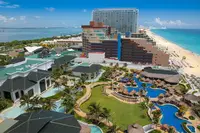
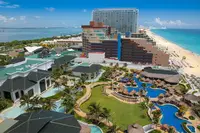
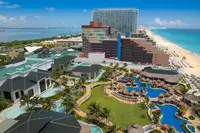
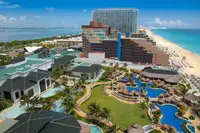
The Cancun Hotel Zone Vibe is characterized by a high-energy social atmosphere driven by massive tourism, though travelers should expect shifting crowd densities and environmental challenges.
This guide helps you understand the reality of the social scene, the logistical impact of local infrastructure, and the environmental factors that define a stay in the region.
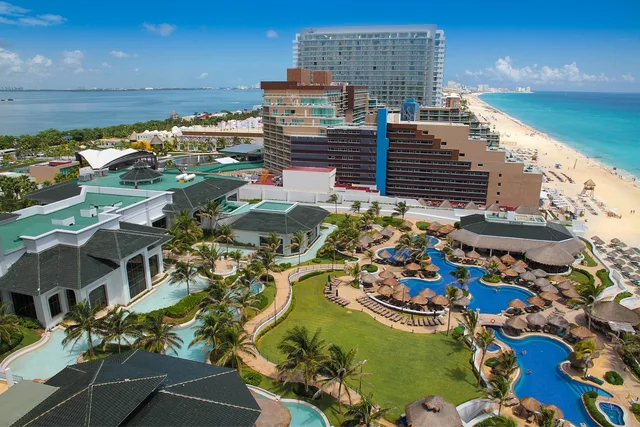
* The social scene is heavily influenced by seasonal crowds and large-scale resorts. * Infrastructure like the Nichupté Vehicular Bridge significantly impacts travel times to the zone. * Environmental issues, such as sewage management, remain a critical local concern. * Climate is moderated by sea breezes, keeping afternoons relatively comfortable.
What defines the Cancun Hotel Zone Vibe?
I walk through the humid plaza at noon, feeling the heavy pulse of music vibrating through the Cancun air.
A traveler walks through the humid air of a crowded plaza, feeling the pulse of music from a nearby resort. The Cancun Hotel Zone Vibe is defined by a concentrated mix of high-end resorts and intense social gatherings that mirror the high-energy depictions seen in media.
The economic engine of the region is undeniable, as it is estimated that 90% of Quintana Roo's state GDP comes from tourism. This massive scale means the atmosphere is built entirely around visitor experiences, ranging from archaeological sites to nightlife.
According to World Bank data, Mexico recorded international tourist arrivals of 51,128,000 in 2020. This high volume of people creates a social dynamic that is constantly shifting based on the season.
How does the 2003 Cancun Film Atmosphere compare to reality?
I sit in a dark room at midnight, feeling the cool air on my skin as I watch the neon lights of Cancun flicker on the screen.
A person sits in a darkened room, watching a screen filled with neon lights and crowded beaches. Capturing the 2003 Cancun Film Atmosphere requires looking past the cinematic glamour to see the actual social layers of the zone.
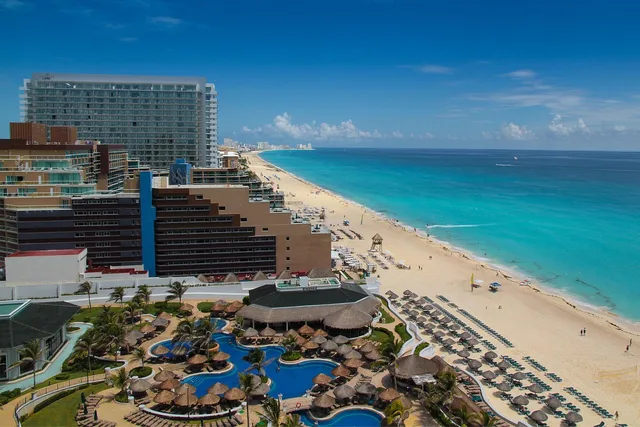
While films often portray a non-stop party, the reality includes significant fluctuations in crowd presence. For example, there has been a sharp decline in international tourists since 2024, with a 14% drop between July and August compared to the previous year.
This means the intense social energy depicted in movies is not a constant state but varies significantly depending on the month. I noticed that the sheer scale of the resorts can sometimes make the "party" feel more like a massive, organized operation than the chaotic scenes often shown on screen.
What is the Spring Break Tourist Experience like?
A group of travelers navigates a bustling sidewalk, dodging crowds near the Punta Cancun Lighthouse. The Spring Break Tourist Experience involves managing high expectations against the practical realities of a crowded, tropical destination.
The social scene is heavily influenced by seasonal crowds and large-scale resorts. Visitors often find themselves surrounded by a mix of spring breakers and luxury travelers.
The Real Cancun Spring Break culture is as much about the intense heat as it is about the social interaction.
Can I navigate the Hotel Zone Party Scene effectively?
A driver grips the steering wheel, watching the sunset over the Nichupté Lagoon while moving toward the coast. Navigating the Hotel Zone Party Scene requires understanding how local geography and infrastructure affect your ability to move between venues.
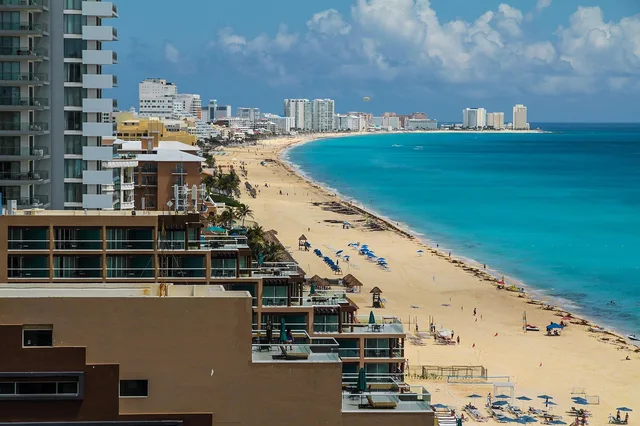
To minimize traffic, the Nichupté Vehicular Bridge runs from downtown to the Hotel Zone, crossing over Nichupté Lagoon and reducing driving time by 45 minutes. This bridge is a vital tool for anyone trying to move from the city center to the nightlife hubs.
Using this route helps avoid the congestion that often plagues the narrow roads near major resorts.
| Feature | Impact on Travel |
|---|---|
| Nichupté Vehicular Bridge | Reduces driving time by 45 minutes |
| Coastal Location | Keeps daytime temperatures 1 to 2 °C cooler |
How does the Mexico Travel Reality impact my stay?
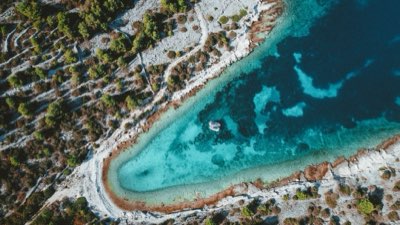
A traveler looks out at the turquoise water, noticing the vastness of the Caribbean Sea. Understanding the Mexico Travel Reality involves looking at both the economic scale and the environmental footprint of the destination.
The sheer size of the tourism industry brings both benefits and significant challenges. One of the biggest issues is water pollution due to sewage from hotels (about 95 percent of all sewage from the area)—significantly more than the local treatment plants can handle.
While the scenery is breathtaking, the environmental strain of such a large industry is a documented reality for the region.
How can I prepare for the Cancun Beach Culture?
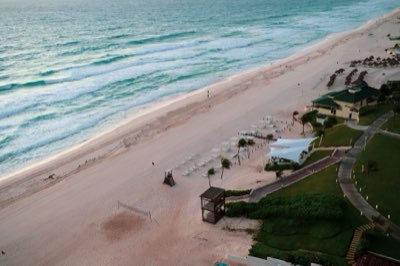
A swimmer enters the warm ocean, feeling the salt spray on their skin. Embracing the Cancun Beach Culture requires preparing for specific weather patterns and local environmental conditions.
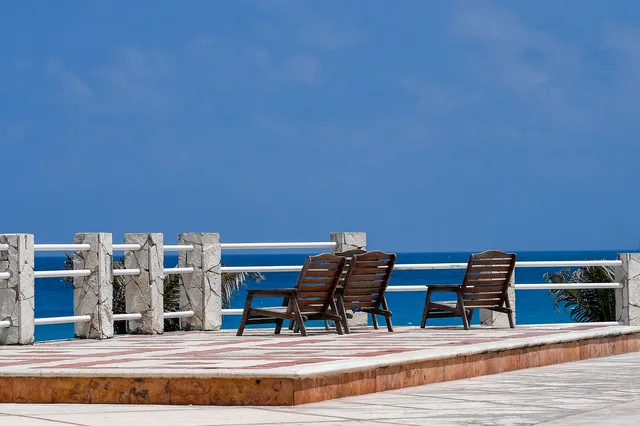
- Check the local weather to account for the annual mean temperature of 27.1 °C (80.8 °F). 2. Plan outdoor activities for the afternoon, as sea breezes restrict high temperatures from reaching 36 °C (97 °F) on most afternoons. 3. Pack for varying rainfall, as the area sees around 1,340 millimeters of rain falling on 115 days per year.
Perform a final check of your gear to ensure you are prepared for both the intense sun and the sudden tropical showers. I found that preparing for the heat was much more important than the movies suggested.
- What defines the Cancun Hotel Zone Vibe?
- How does the 2003 Cancun Film Atmosphere compare to reality?
- What is the Spring Break Tourist Experience like?
Related
- Kosmuli best travel route tips using 51 km road
- Sargassum seaweed monthly status guide: Warm water patterns
What are the logistical considerations for a Cancun Hotel stay?
- Assess the impact of the Nichupté Vehicular Bridge on your planned travel schedule between the city and the Hotel Zone. 2. Be aware that the infrastructure handles massive volumes of visitors, which influences local movement patterns. 3. Consider the environmental strain associated with the large-scale resorts when planning your stay in the Cancun Hotel Zone.
The sheer volume of people visiting the Cancun Hotel Zone necessitates careful planning regarding local movement. The bridge serves as a key piece of infrastructure that dictates how efficiently one can reach different parts of the zone.
Travelers should keep in mind that the local treatment plants struggle to manage the sewage output from the large hotels.
How does the climate condition affect the social gathering in the Hotel Zone?
The sea breezes provide a natural moderation to the intense heat experienced in the Cancun Hotel Zone. This coastal influence helps keep the afternoons from reaching extreme temperatures.
The surrounding ocean acts as a buffer against the land's heat, offering a slight respite during peak activity times.
The proximity to the Caribbean Sea means the climate is consistently influenced by water evaporation and air movement. This condition contrasts with inland areas, where temperatures might rise more sharply without the moderating effect of the ocean.
The Hotel Zone benefits from this consistent marine climate feature.
The social dynamics of the Cancun Hotel Zone are therefore intertwined with these environmental realities. The comfort level of the visitors is partially determined by the prevailing sea conditions and the resulting temperature moderation.
This combination of high energy and manageable climate defines the unique atmosphere of the Hotel Zone.
Comments 0