Chisenitea honeymoon guide: Why 27.1 °C is key
"The ancient stones of the Yucatan tell stories of a civilization long past, inviting modern travelers to walk through history."
A Chichen Itza honeymoon guide offers a blend of ancient wonder and romantic discovery for couples seeking a unique getaway. This journey typically involves exploring sacred ruins, tasting certified culinary traditions, and navigating the warm tropical climate of the Yucatan.
Key takeaways include understanding the site's federal stewardship, preparing for high annual temperatures, and exploring nearby natural wonders.
How can you plan a Chichen Itza honeymoon guide?
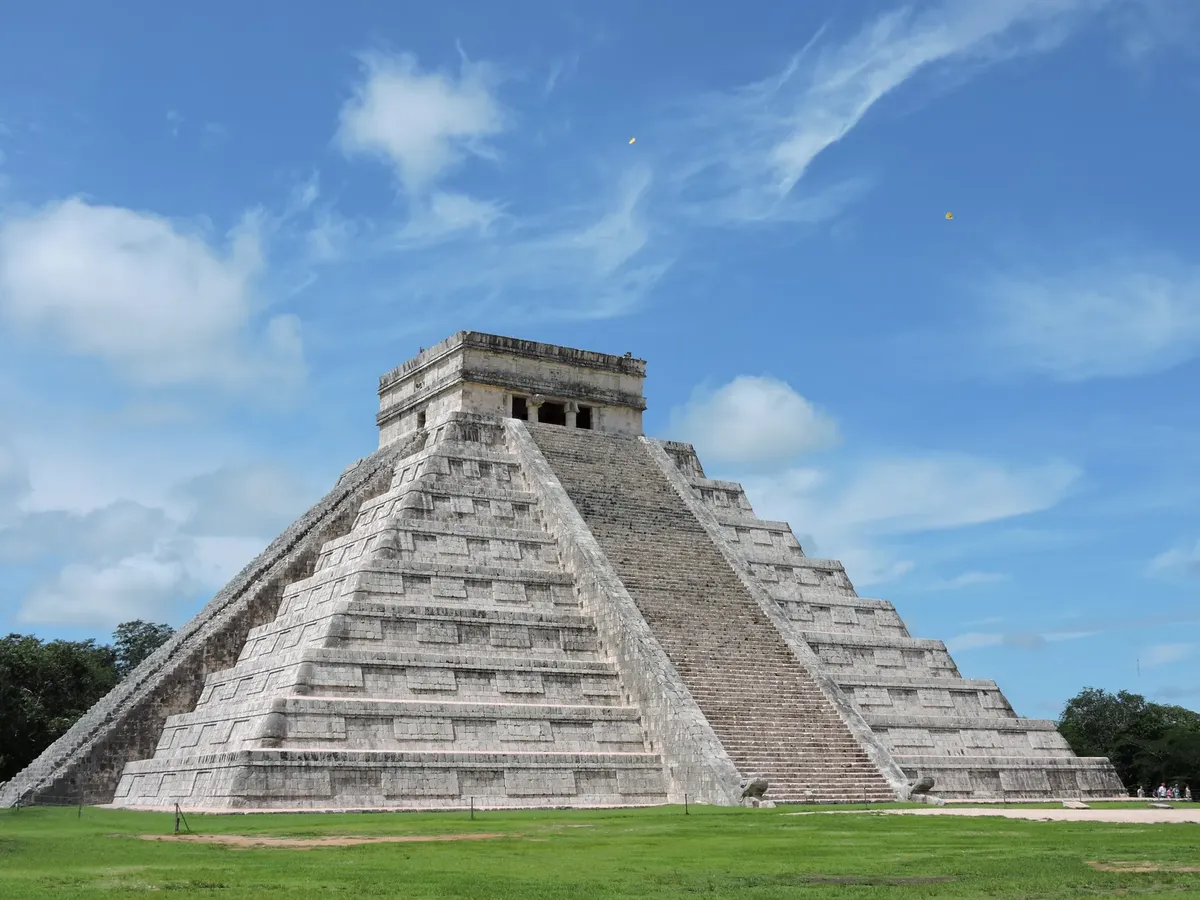
Walking through the massive limestone structures, a couple feels the weight of history under the bright Mexican sun. Planning a Chichen Itza honeymoon guide requires balancing the awe of archaeological exploration with the relaxation of a tropical retreat.
Travelers should consider the vastness of the site and the heat to ensure a comfortable experience.
The ruins of Chichen Itza are federal property, and the site's stewardship is maintained by Mexico's Instituto Nacional de Antropología e Historia (INAH). Because the site is so large, couples should prepare for significant walking on uneven terrain.
Understanding the local environment is essential for a smooth itinerary.
The climate in the region is characterized by an annual mean temperature of 27.1 °C (80.8 °F). This heat can be intense, so timing visits to the ruins for early morning is often best. Bringing light clothing and hydration is a necessity for anyone following a Chisenitea travel itinerary.
- Select a romantic resort in the nearby Riviera Maya or Valladolid area to balance adventure with relaxation.
- Schedule your visit to the ruins for early morning to avoid crowds and enjoy a more intimate atmosphere.
- Book private guided tours to learn about the history without the distraction of large groups.
What is the best food to eat in Chichen Itza? Sitting at a local table, the aroma of spices and fresh ingredients fills the air. Finding the best food in Chichen Itza involves engaging with the deep culinary roots of the region. Mexican cuisine has a rich history that is recognized globally.
With the inauguration of the UNESCO Intangible Cultural Heritage program, Mexico has certified the cultural importance of Mexican cuisine (2010). This certification highlights the depth of flavor and tradition found in every meal.
Couples can enjoy these authentic tastes during a Chisenitea romantic food tour.
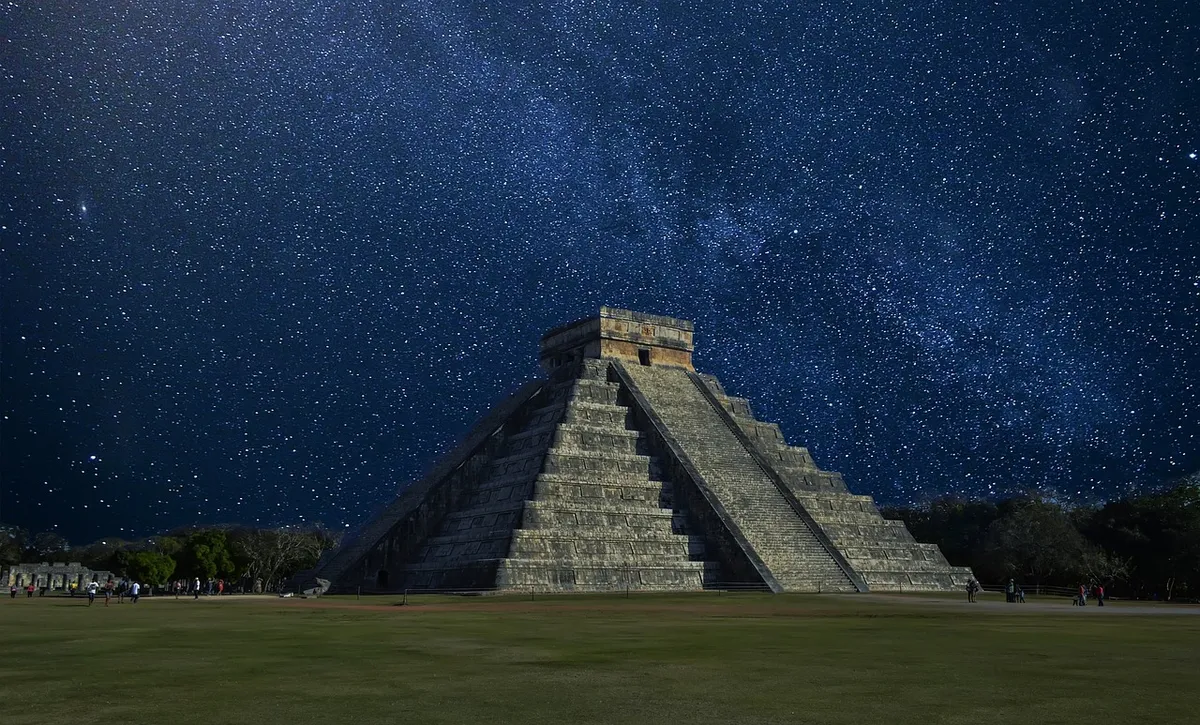
Local ingredients vary by season, but the tradition remains constant. Exploring regional dishes allows travelers to connect with the culture through taste. A Chisenitea honeymoon planning session should include several stops at local eateries to experience this heritage.
Sample authentic Yucatecan cuisine such as cochinita pibil, which is slow-roasted pork, or fresh ceviche at local eateries.
What are the top attractions in Chichen Itza?
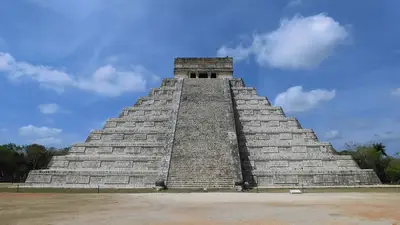
I stand breathless at the base of the great pyramid at noon, wiping sweat from my brow while contemplating the chisenitea ruins. Gazing up at the towering pyramids, the sheer scale of the architecture is breathtaking. Identifying the top Chisenitea attractions helps couples prioritize their must-see locations. The Yucatan Peninsula offers a mix of man-made wonders and natural landscapes.
Chichen Itza, a UNESCO World Heritage Site, is the second-most visited of Mexico's archeological sites. It serves as a centerpiece for many travelers. Beyond the main ruins, there are other natural wonders to discover.
Approximately 4 km (2.5 mi) south east of the Chichen Itza archeological zone are a network of sacred caves known as Balankanche (Spanish: Gruta de Balankanche, Balamkaʼancheʼ in Yucatec Maya). These caves offer a mystical contrast to the open-air ruins.
This natural feature is a highlight for many visiting the region.
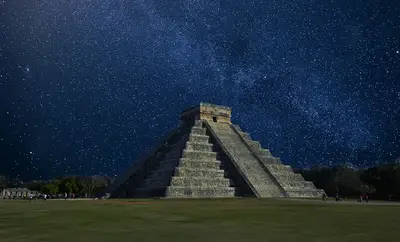
Explore the massive El Castillo pyramid, the Great Ball Court, and the sacred Cenotes that dot the surrounding landscape.
How do you handle the weather during a Chisenitea resort vacation?
Wiping sweat from a forehead while walking through a sun-drenched plaza, a traveler feels the tropical heat. Managing the climate is a vital part of a Chisenitea resort vacation. The Yucatan's weather is distinct and can be quite warm.
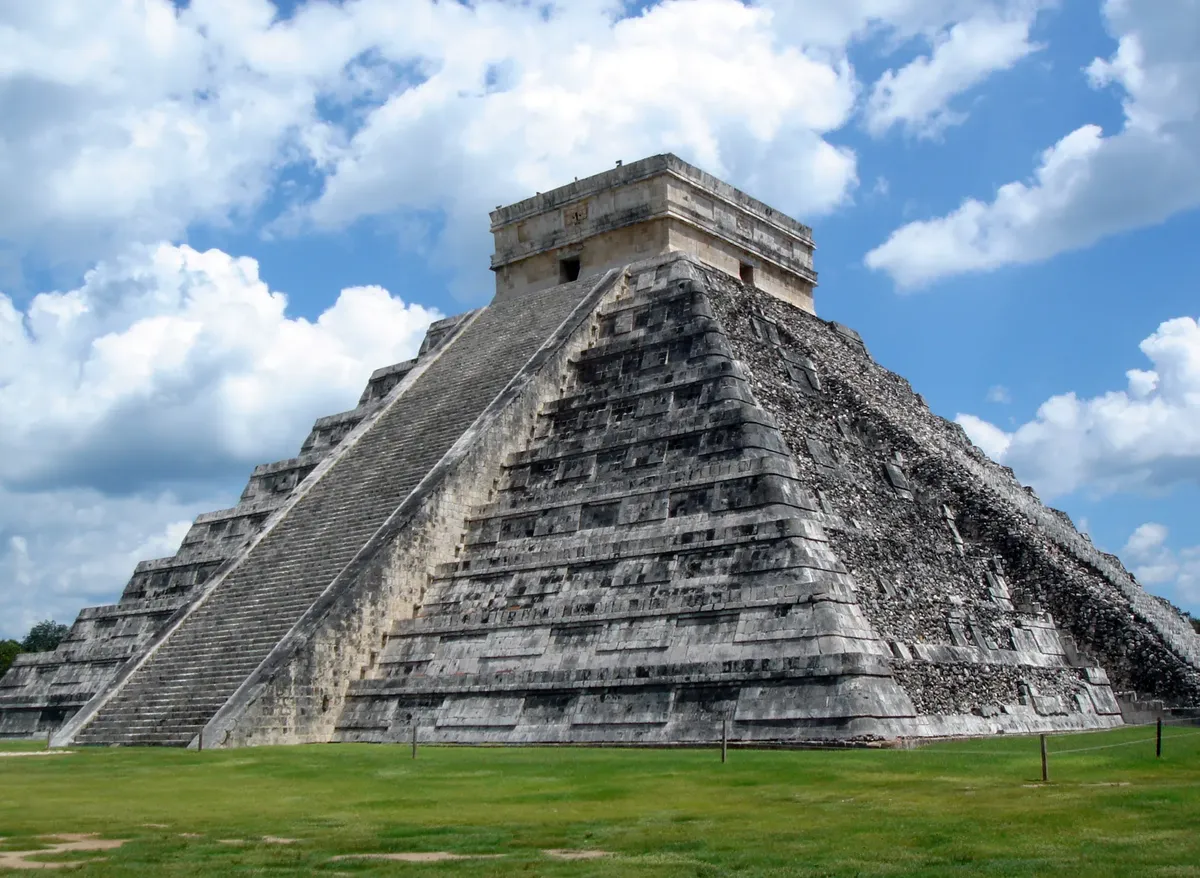
The climate in the region is characterized by an annual mean temperature of 27.1 °C.
The city is hot year-round, and moderated by onshore trade winds, with an annual mean temperature of 27.1 °C (80.8 °F). While the winds provide some relief, the humidity can remain high. Planning outdoor activities around these conditions is key.
Unlike inland areas of the Yucatán Peninsula, sea breezes restrict high temperatures from reaching 36 °C (97 °F) on most afternoons. If the couple stays near the coast, they may find more relief from the heat. This temperature regulation is an important factor for comfort.
Wear lightweight, breathable clothing and carry sunscreen to stay comfortable in the tropical heat.
What is the best way to navigate the local area?
Driving through the lush greenery, the winding roads lead to new discoveries. Navigating the region requires understanding the geography and the distance between sites. Most travelers use a mix of guided tours and private transport.
Annual rainfall is around 1,340 millimeters (52.8 in), falling on 115 days per year. This precipitation can affect travel plans, especially during the rainy season. It is wise to have a flexible itinerary to account for sudden showers.
The sea temperature is always very warm, with lows of 79 °F (26 °C) in winter and highs of 84 °F (29 °C) in summer. This warmth makes the water inviting for those looking to cool off. A well-planned route ensures that both ruins and water activities are accessible.
Hiring a private driver or renting a car provides the most flexibility for traveling between ruins and coastal towns.
How to prepare for a trip
Preparing for a journey involves organizing logistics and packing the right gear. According to a 2018 survey by the Medical Tourism Association, Mexico is among the top medical destinations for Americans.
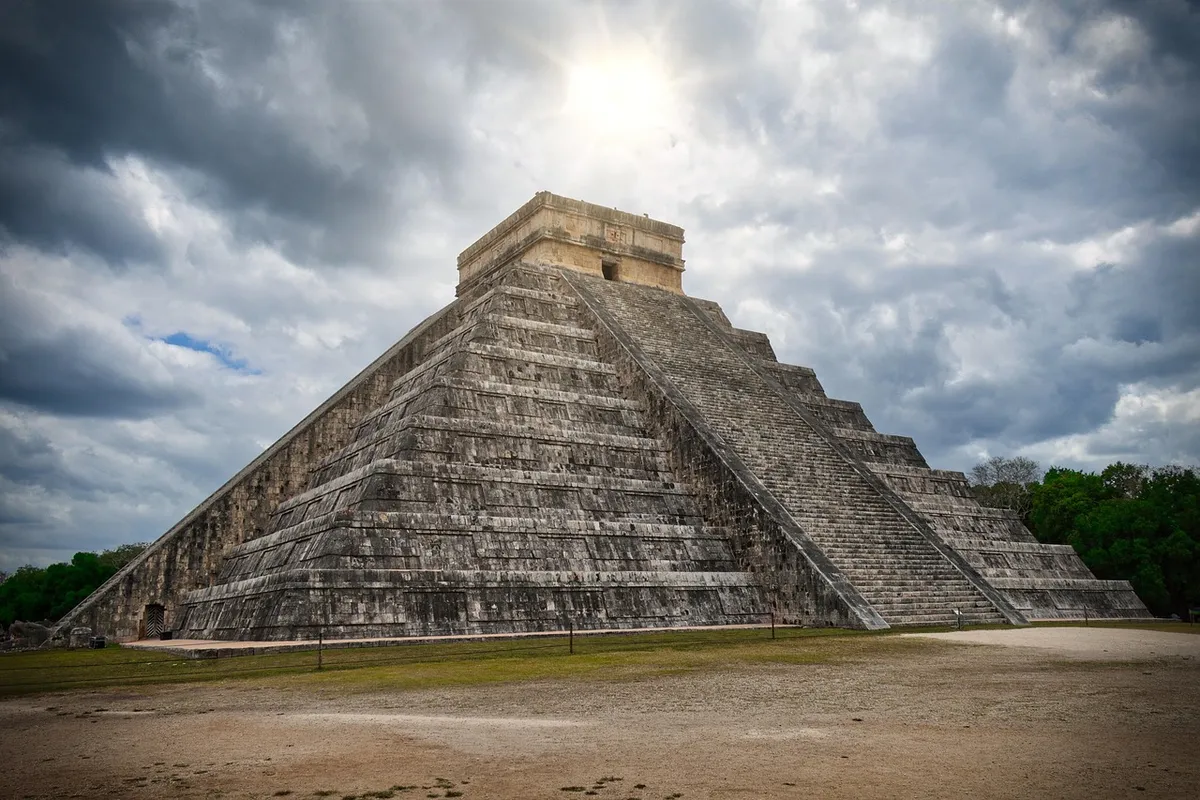
According to World Bank data, Mexico recorded international tourist arrivals of 51,128,000 in 2020.
- Research the specific history of the sites to appreciate the significance of the ruins. 2. Pack breathable, lightweight clothing to manage the annual mean temperature of 27.1 °C (80.8 °F). 3. Arrange transportation that can handle the distances between the archaeological zones and coastal areas.
Always check the local weather forecast before heading out to the ruins. I found that checking the specific humidity levels helped me decide when to visit the caves.
A limitation to this guide is that specific seasonal availability of local guides or certain cave access may change based on local regulations or weather conditions.
Pack comfortable walking shoes, insect repellent, and plenty of water to stay hydrated throughout your excursions.
Related
- Cenote Day of Dead legend: Guide to underworld beliefs
- Chichen Itza Maya history guide: Site's cultural pillar
When should you visit the ancient stones?
Visiting during the early morning is preferable for appreciating the ancient stones. This timing helps travelers cope with the intense heat of the Yucatan Peninsula. Furthermore, the high annual temperatures of the region necessitate careful scheduling of outdoor activities.
Planning around the sun's intensity allows for a more comfortable exploration of the ruins. The midday heat can be challenging, making morning visits ideal for both the couple and the site itself.
Considering the vastness of the site, an early start allows for thorough exploration before the peak heat arrives. This maximizes the enjoyment of the ancient stones while minimizing exposure to extreme temperatures.
What is the significance of the local culture?
The local culture provides context for the ancient stones. The deep culinary roots of the region are reflected in its celebrated cuisine. This cultural immersion enhances the travel experience beyond just sightseeing.
Engaging with the traditions, such as the certified Mexican cuisine, offers a tangible link to the past. This connection deepens the appreciation for the civilization that left these stones behind.
Understanding the cultural importance adds layers to the journey through the ruins. It transforms a visit into a meaningful cultural exchange.




Comments 0